
Last updated November 16, 2026
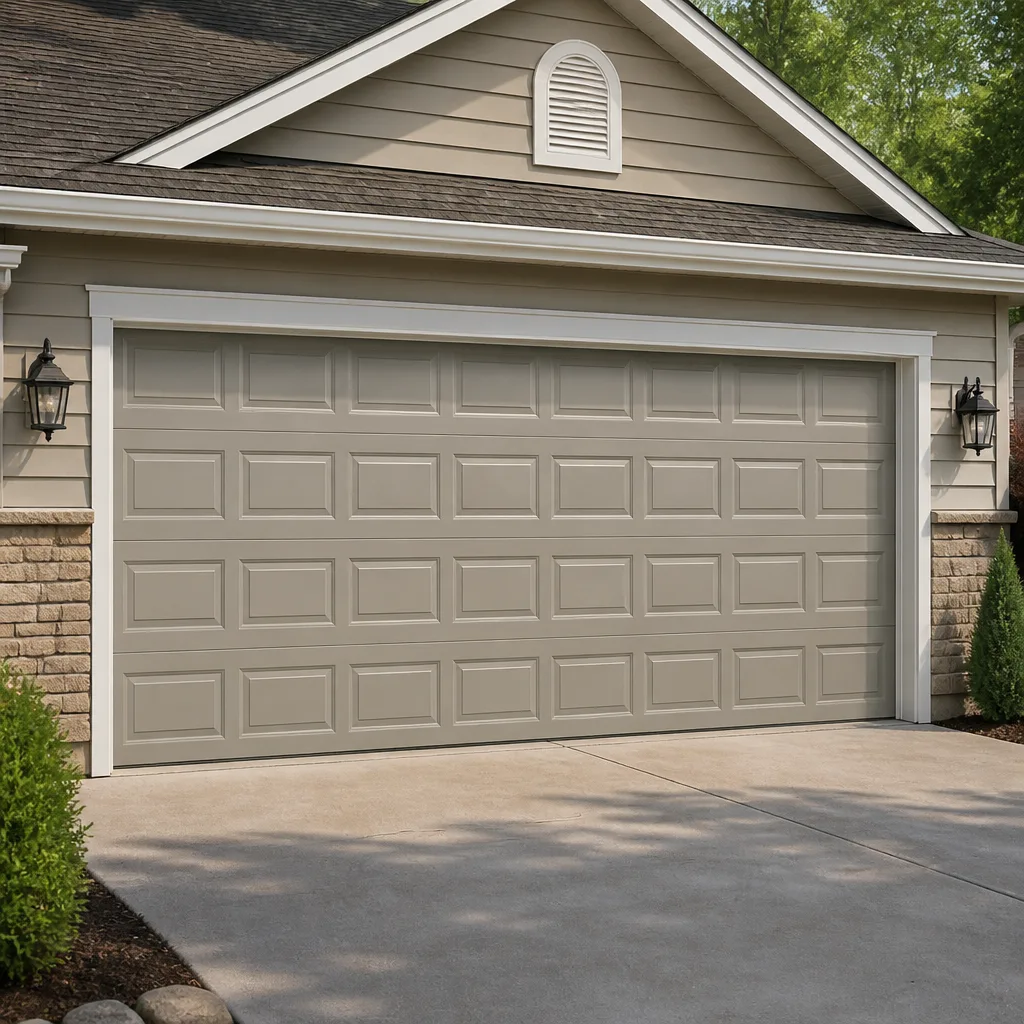 Raised-panel steel
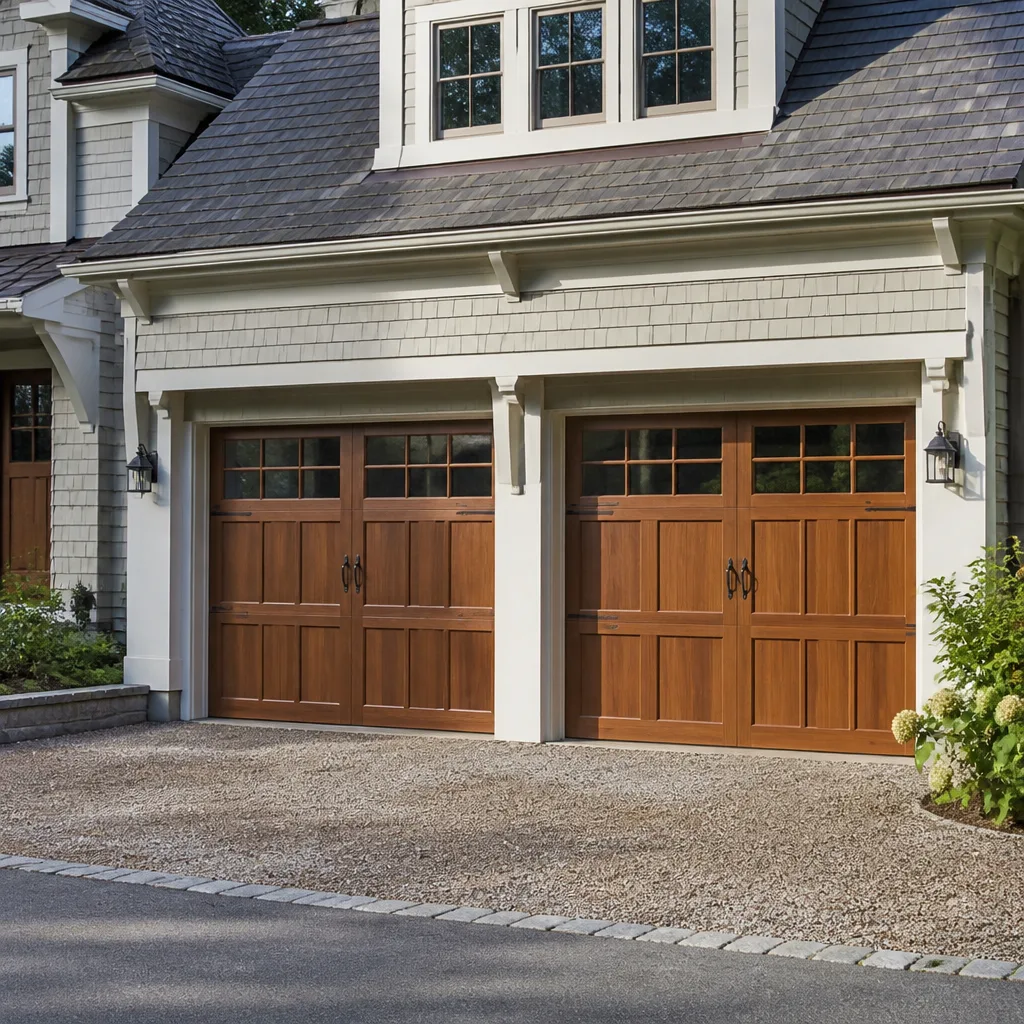 Carriage house
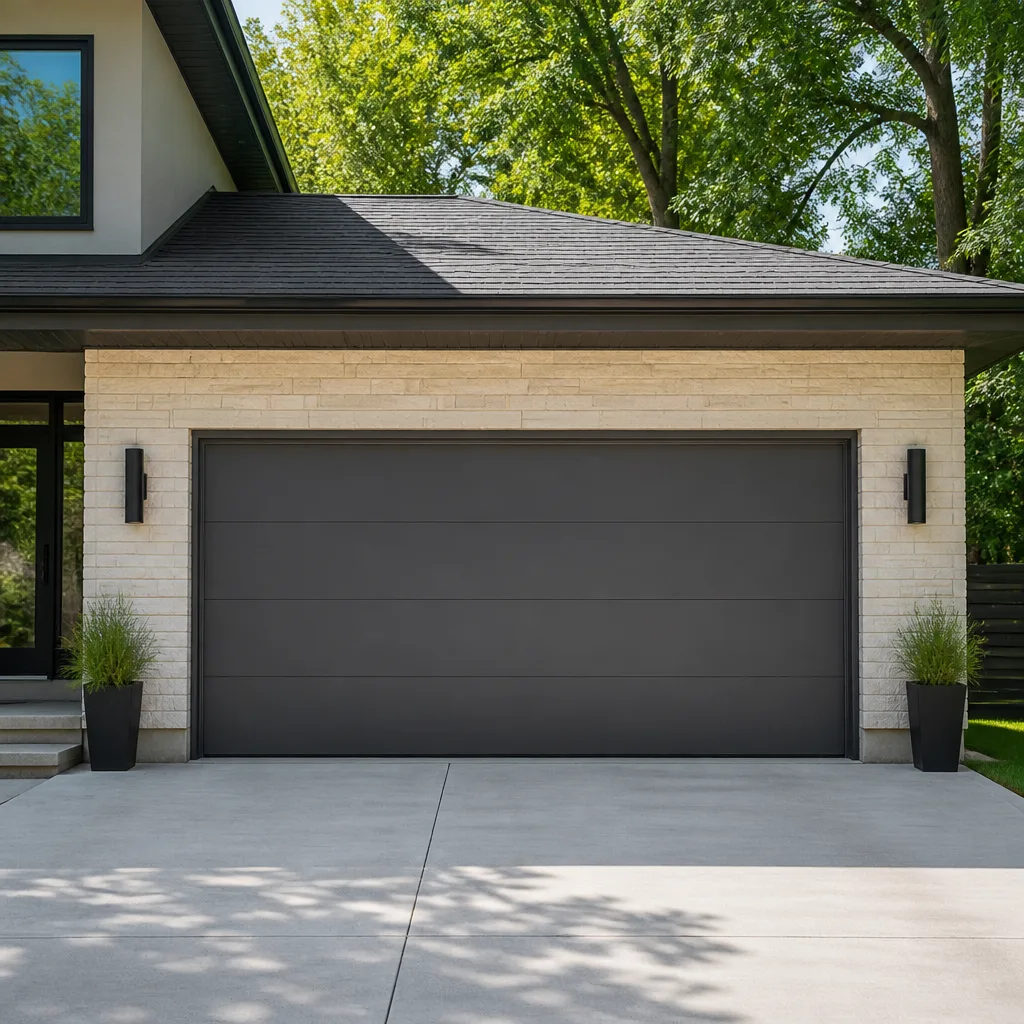 Modern flush
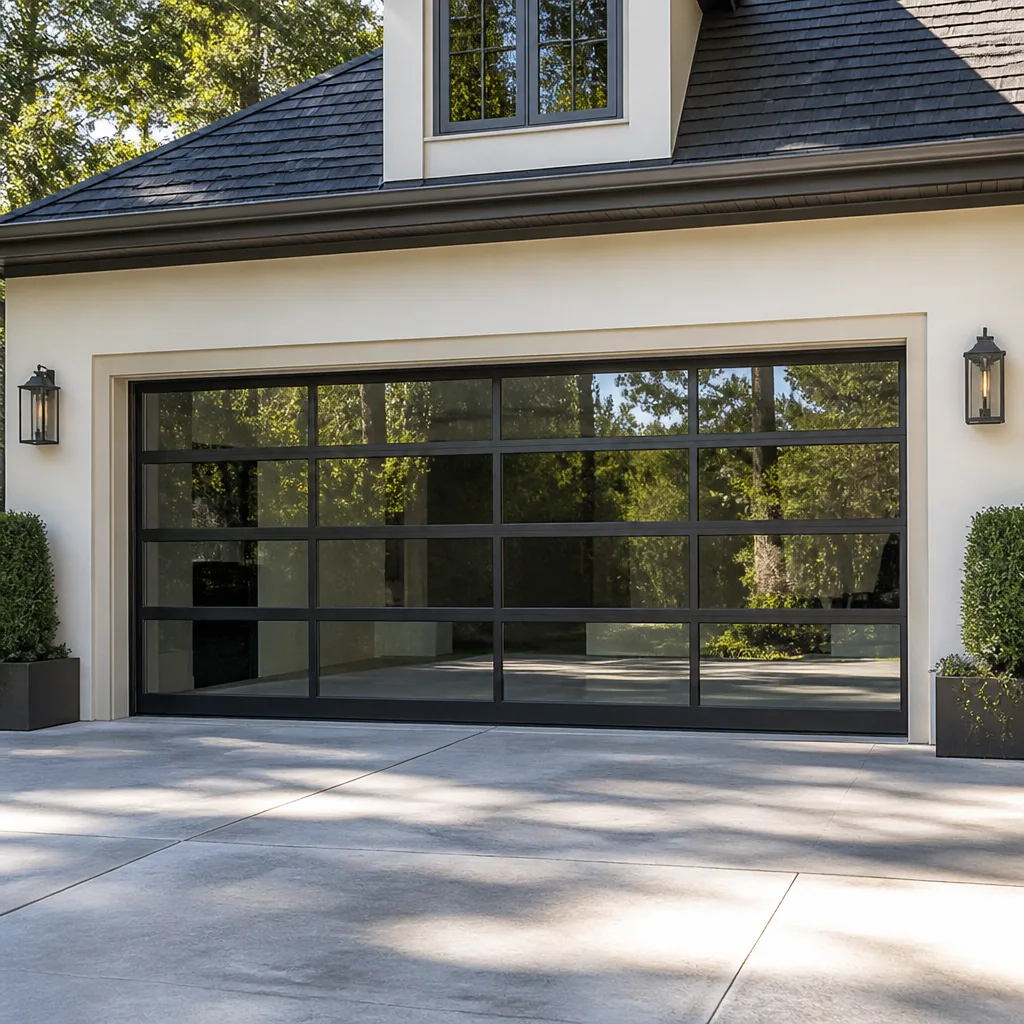 Full-view glass
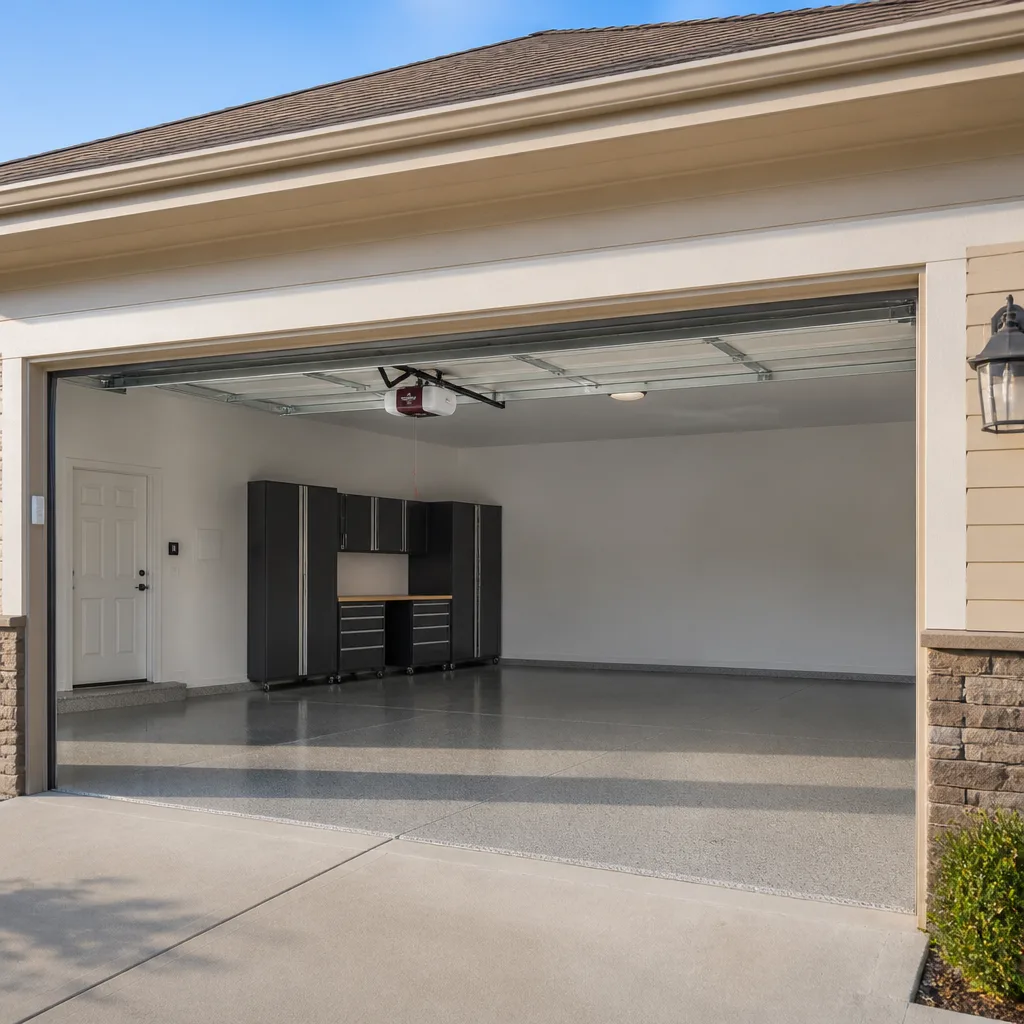 LiftMaster openers
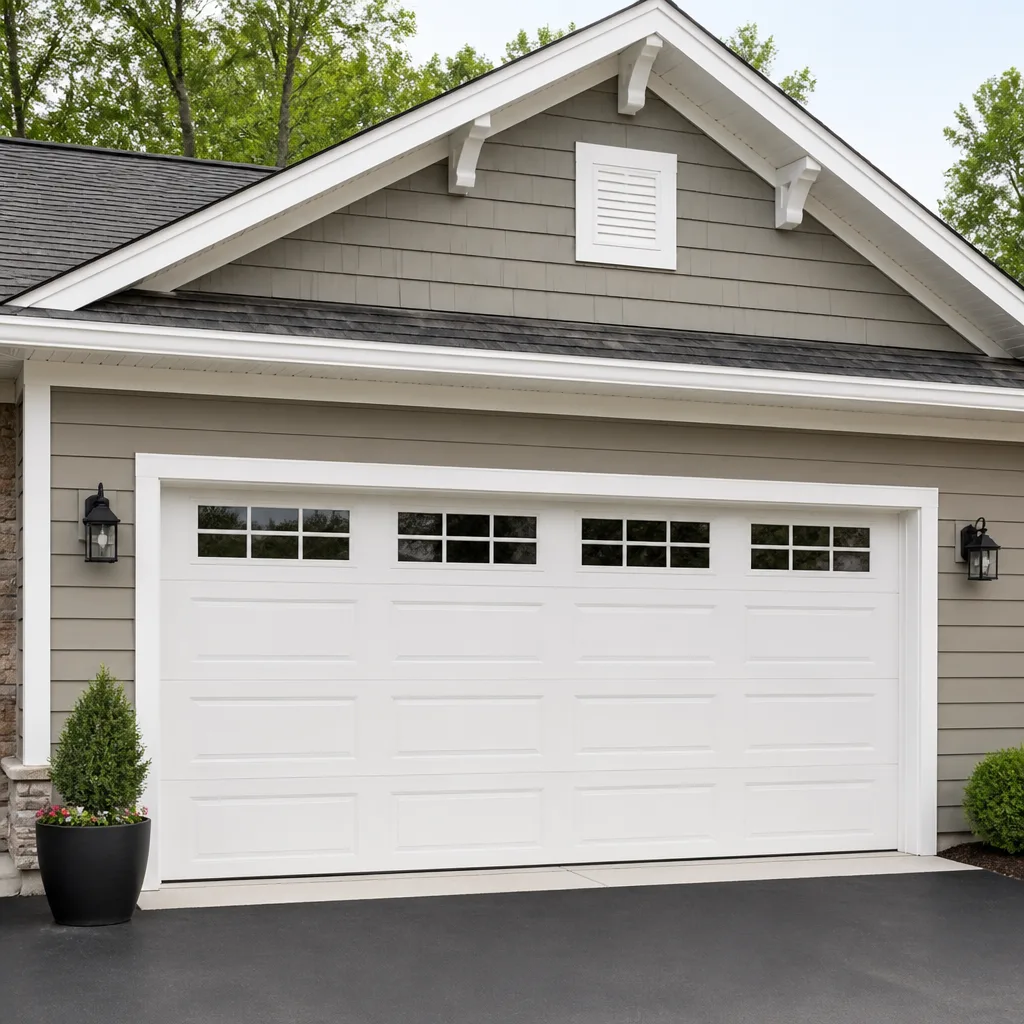 Chamberlain openers
Full 25-point door and opener safety check with every visit - springs, cables, rollers, tracks, and your LiftMaster or Chamberlain opener included
You get a price before we start. It does not change when the pro arrives.
Get your free estimateChoosing the Right Garage Door Brand: A Buyer’s Guide for Gresham
The most-advertised garage door brand in Oregon is not the most-serviced one, and buying on name recognition alone can leave you in a spot where a warranty claim means parts shipped in from out of state while your door sits open. Here’s the part most sales conversations skip: the steel gauge, the insulation R-value that makes sense for a western Oregon climate, and whether anyone near Gresham can actually get the parts to fix what you bought matter far more than the logo on the box. This guide walks through all of it, comparing the major manufacturers and opener brands on the things that decide how a door performs years down the road.
Quick Answer
There’s no single best garage door brand. For a Gresham home, the right choice comes down to three things: a steel gauge heavy enough to resist dents (24-gauge beats 26-gauge), an insulation R-value matched to our mild climate (moderate insulation usually pays back; high-end insulation often doesn’t), and a brand a local technician can service without pushing you toward replacement parts. Buy for local serviceability first, name recognition second.
Styles & brands we work with
- Raised-panel steel
- Carriage house
- Modern flush
- Full-view glass
- LiftMaster openers
- Chamberlain openers
Table of Contents
- Why Brand-Agnostic Beats Brand-Loyal
- The Major Door Manufacturers Compared for Gresham
- Local Serviceability vs. National Warranty Terms
- Insulation R-Value: What Actually Pays Back Here
- Steel Gauge Reality: 24 vs. 26 in Wet Conditions
- Evaluating Opener Brands the Same Way
- A Step-by-Step Way to Pick Your Brand
- Common Mistakes to Avoid
- When to Call a Professional
Why Brand-Agnostic Beats Brand-Loyal
Almost every garage door you’ll see on a Gresham street was installed by someone paid to favor a particular manufacturer. That’s not a knock on those brands; it’s just how installer economics work. The installer gets incentives, the homeowner gets a door, and nobody stops to ask whether the nearest technician can fix it five years from now. We work on what you have, not only what we sell, which is why we’d rather explain the tradeoffs than talk you into one logo.
Being brand-agnostic changes the diagnosis. When a technician knows eight major systems by name, the job stops being a generic checklist and becomes a read of your actual hardware. Whether it’s a Raynor door binding in its tracks or a LiftMaster opener that won’t reverse, the fix follows the specific mechanism in front of us. There’s a practical side to this too: if your door is a Clopay and your opener is a Chamberlain, those are two different manufacturers, and the problem may sit at the point where they meet. A single call that covers both sides of the system resolves the full issue instead of handing you off.
Garage doors are all we do. We’re not a general handyman service splitting attention across a dozen trades, and that focus keeps diagnostic accuracy sharp. If you want the framing on how repairs work in this city specifically, our garage door repair page covers it in more detail.
The Major Door Manufacturers Compared for Gresham
The door side of the market splits between brands you’ll find on new builds and brands sold through contractors. The eight names that come up most in our work are Clopay, Amarr, Wayne Dalton, Raynor, C.H.I., Hormann, Doorlink, and Haas. Each has strengths, and none wins on every measure. The comparison that matters for a Gresham home is rust resistance, insulation performance, and parts availability.
- Clopay – broad product range from basic steel to insulated and carriage-house styles; common enough that panels and hardware are usually obtainable.
- Amarr – solid mid-tier steel doors with decent finish options; a frequent choice for residential replacement.
- Wayne Dalton – long-standing presence in the region, with models that span budget to insulated.
- Raynor – known for sturdier build and commercial-grade components on some lines.
- C.H.I. – contractor-focused brand with good panel availability on common sizes.
- Hormann – European-engineered, with strong insulation numbers on higher lines; parts can be less local.
- Doorlink – value-oriented steel doors; fine for a basic build, thinner on premium features.
- Haas – smaller distribution footprint in some markets, which can slow a parts order.
In west-side Gresham neighborhoods like Centennial and Powellhurst-Gilbert, the mix skews toward builder-grade steel doors, which means Clopay and Amarr panels are everywhere and easy to match. On the newer hillside developments toward the east, you’ll see more insulated and carriage-style doors. Neither is “better” in the abstract; the question is which brand a technician can get parts for quickly when something breaks. The wettest months here run roughly October through April, and that long damp stretch is what punishes a cheap finish and rewards a heavier gauge. Our Sycamore Garage Door Repair team can tell you what’s on your door before you commit to a brand.
Local Serviceability vs. National Warranty Terms
A brand with a long national warranty that requires factory-authorized service from Portland is worth less to a Gresham homeowner than a mid-tier brand whose parts sit on a shelf a short drive away. Warranty length looks great on a spec sheet. What it doesn’t tell you is how long your door stays open while you wait for a factory part to ship in, or how far a technician has to travel to honor it.
Here’s the mental model we’d ask you to use:
- Check who can service it. Ask the seller whether a local independent technician can order parts and complete a repair, or whether service is locked to an authorized dealer network.
- Confirm part availability. A common panel size in a widely distributed brand is easy to source. An uncommon model from a small distributor can mean weeks.
- Read the warranty fine print. Some warranties cover parts but not labor, or require authorized installation to stay valid. Know that before you buy.
- Weigh the wait against the term. A ten-year warranty that stalls every repair is less useful than a shorter warranty backed by a brand a local technician can actually fix.
Gresham sits close enough to the metro that most contractors serve it, but “served” and “well-stocked” aren’t the same thing. The brands that keep parts moving locally are the ones a homeowner should favor. If you’re weighing repair against replacement, our guide on whether to repair or replace is worth a read before you sign anything.
Insulation R-Value: What Actually Pays Back Here
Insulation R-value gets oversold in almost every climate, and our mild Pacific Northwest climate is no exception. A garage door’s R-value describes how well the door resists heat flow. In a place with hot summers and bitter winters, that matters a lot. Here, a moderate insulation value usually does the job, and paying for the top of the line rarely returns its cost in energy savings.
Think about what the garage actually does in your house. If it shares a wall with a living space and that wall is where you feel the cold, an insulated door helps. If it’s a detached or well-separated garage, the door’s R-value matters less. A few rules of thumb:
- Basic steel without insulation – fine for a detached or unheated garage that’s really just for storage.
- Moderate insulation (single-digit to low double-digit R-value) – the practical sweet spot for most Gresham homes with an attached garage.
- High insulation (upper teens and beyond) – worth considering only when the garage is a living space or the shared wall is where your comfort problem lives.
The damp, moderate climate here means insulation is less about extreme temperature swings and more about condensation and comfort. A well-sealed, moderately insulated door handles that fine. If you want a door that also quiets down a noisy street-facing garage, insulation helps with sound as much as temperature, which is a reason people in busier parts of Gresham sometimes choose it. Our Gresham page has more on how climate plays into local door performance.
Steel Gauge Reality: 24 vs. 26 in Wet Conditions
Steel gauge is where budget doors hide their compromises. The gauge number works backward from what you’d expect: a lower number means thicker steel. A 24-gauge panel is heavier and more dent-resistant than a 26-gauge panel. In a wet climate like ours, that difference shows up in two places, dents and finish durability.
A thinner 26-gauge panel flexes more under impact and holds a dent longer. That matters on a street where kids play or where a car bumper occasionally meets the door. Thicker 24-gauge steel resists the same hit with less permanent damage. Finish is the more subtle story. Paint and coatings last when the steel underneath doesn’t flex and crack them, and a thicker panel is more forgiving of the small movements a door makes every time it cycles. Through the long wet season, a compromised finish lets moisture in at the edges, and rust follows.
So when a seller quotes you a door, ask the gauge. If the spec sheet is vague, that’s a signal. A 24-gauge door costs more up front, but in Gresham’s conditions it tends to hold its appearance and its shape longer than a 26-gauge door at the same size. This is one of the few upgrades that reliably pays back here, and it’s the sort of thing we point out when a homeowner asks us to compare doors on a quote.
Which brings up opener selection, where the same logic applies.
Evaluating Opener Brands the Same Way
Openers deserve the same scrutiny as the door. The door is the heavy, visible part, but the opener is what actually opens it every day, and a cheap or hard-to-service opener turns a good door into a headache. The main consumer and contractor brands are Chamberlain, LiftMaster, Genie, Craftsman, and Ryobi. Judge them the way you’d judge the door: on repairability and local parts access, not marketing claims.
- LiftMaster – contractor-grade, with wide parts availability and a clear repair path; a common choice for a reason.
- Chamberlain – shares a lot of engineering with LiftMaster and is widely sold direct to homeowners; repair support is strong.
- Genie – long history and broad distribution; most parts are local.
- Craftsman – sold through retail; common on older installs, with parts typically findable.
- Ryobi – a newer retail entrant with smart features; repairability and parts access are thinner than the older names.
We work with LiftMaster, Chamberlain, and Genie openers often because they’re repairable and their parts are available. When an opener needs a board, a gear, a logic fix, or a full reprogram, the brand determines how fast the repair goes. That’s the criteria: can a technician get the part and complete the fix? If the answer is “eventually, shipped from out of state,” the brand is working against you. Our garage door opener repair page lays out the specifics of opener work in this area.
A Step-by-Step Way to Pick Your Brand
Here’s the sequence we’d walk a homeowner through before they commit to a brand. It keeps the decision grounded in what actually matters.
- Identify what’s already installed. Note the door brand and the opener brand. They’re often different manufacturers, and knowing both tells a technician how fast a repair can go.
- Check local serviceability. Ask whether an independent technician near Gresham can get parts and complete the repair, rather than being locked to a dealer network.
- Confirm the gauge. On steel doors, look for 24-gauge over 26-gauge if you want dent resistance and finish durability in a wet climate.
- Match insulation to the garage’s role. Moderate insulation for an attached garage; skip the premium insulation if the garage is detached and unheated.
- Look at the opener separately. Favor brands with strong local parts access and a clear repair path.
- Read the warranty terms. Understand what’s covered, what isn’t, and whether local service keeps it valid.
- Get a written estimate before any work. The price should be quoted and agreed before anything starts, so you’re not guessing at the final number.
Run this sequence and the “best brand” question gets a lot less abstract. In our experience, homeowners land on a door brand and an opener brand that are both easy to service locally, and that pairing holds up far better than a name-recognition pick.
Common Mistakes to Avoid
- Choosing on national warranty length alone. A long warranty that requires factory-authorized service from Portland can leave you waiting while your door stays open, and that’s worse than a shorter warranty backed by local parts access.
- Assuming the door and opener are the same brand. They rarely are, and treating them as one system leads to the wrong diagnosis and wasted service calls.
- Paying for top-of-the-line insulation. In Gresham’s mild climate, premium insulation often doesn’t pay back the way it can in an extreme-weather region.
- Skipping the gauge question. A 26-gauge panel looks fine at first, but it flexes, dents, and chips its finish faster than 24-gauge in the long wet season here.
- Buying an opener purely for app features. Smart features are nice, but repairability and local parts access are what keep it working years from now.
- Going with the most-advertised name. Name recognition doesn’t guarantee a local technician can order the exact part when you need it, and it can leave you shipping in from out of state.
- Agreeing to work without a written price. The estimate should be agreed before anything starts, so there’s no surprise on the invoice.
When to Call a Professional
Some decisions are safe to make on your own; some repairs are not. Anything involving the torsion spring, cables, or the high-tension parts of the counterbalance system is genuinely dangerous and belongs with a trained technician. The same goes for opener wiring and electrical connections. If your door has started binding, jerking, or reversing unexpectedly, that’s a diagnostic call, not a tighten-it-yourself job. And if you’re weighing brands for a new door, a short conversation with someone who works on all eight major systems can save you from a spec-sheet mistake. Sycamore Garage Door Repair offers free estimates in Gresham. Call (866) 890-0843. We answer 24/7. Fast dispatch from 7am to 7pm, Sunday through Friday.
See the difference
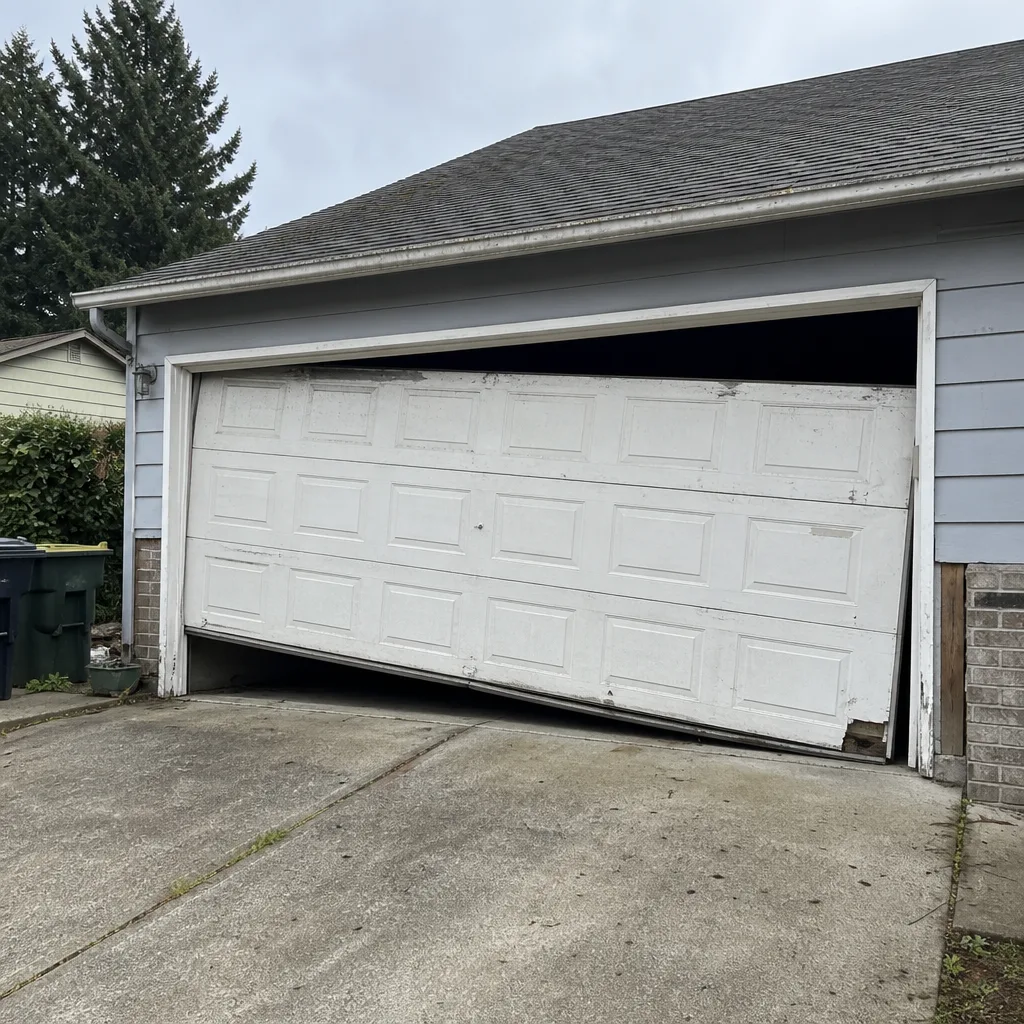 Before
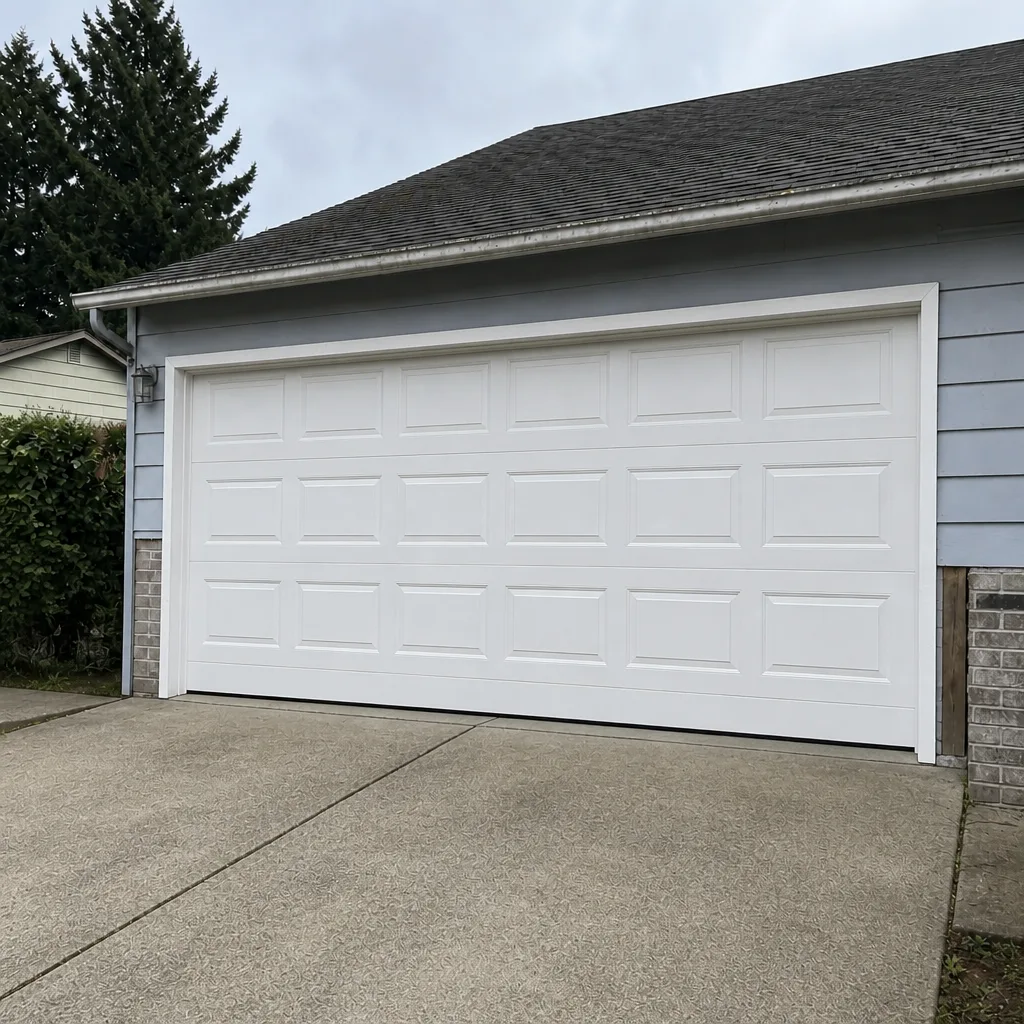 After
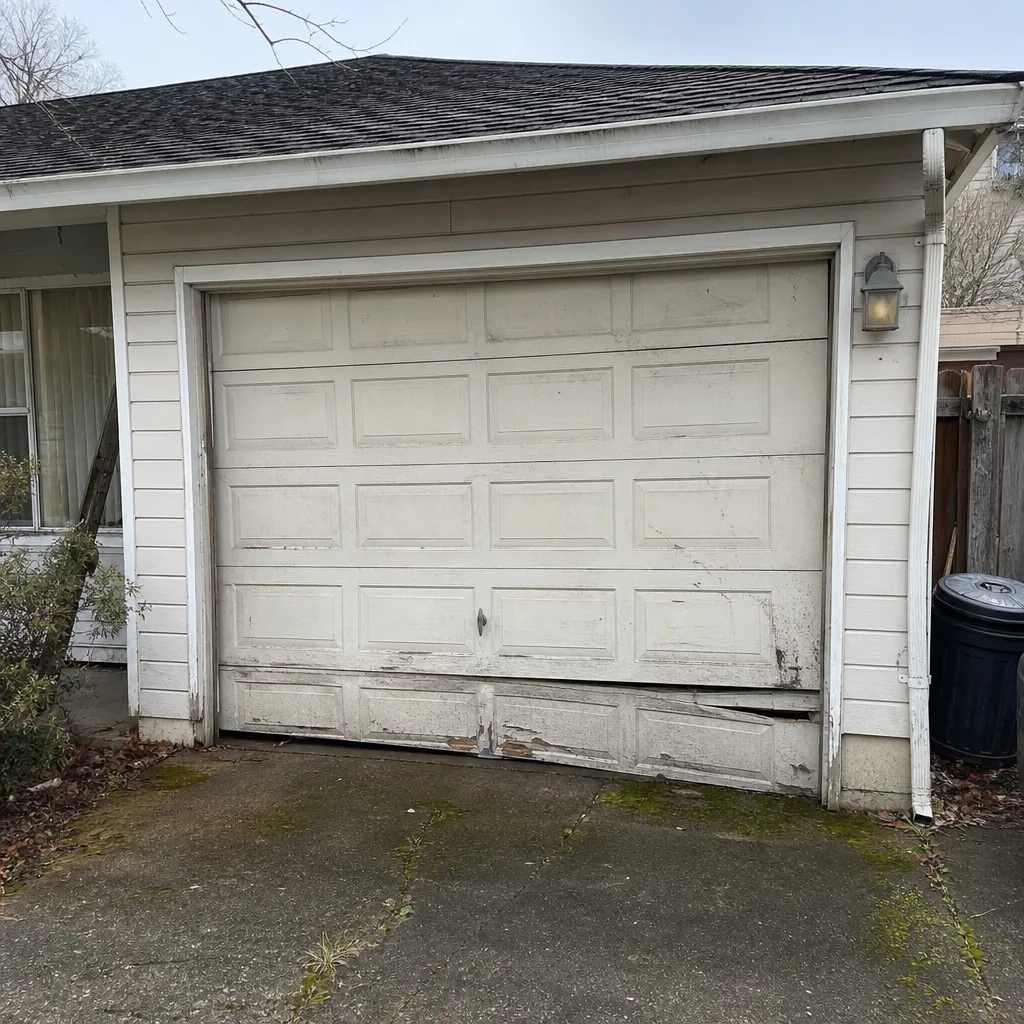 Before
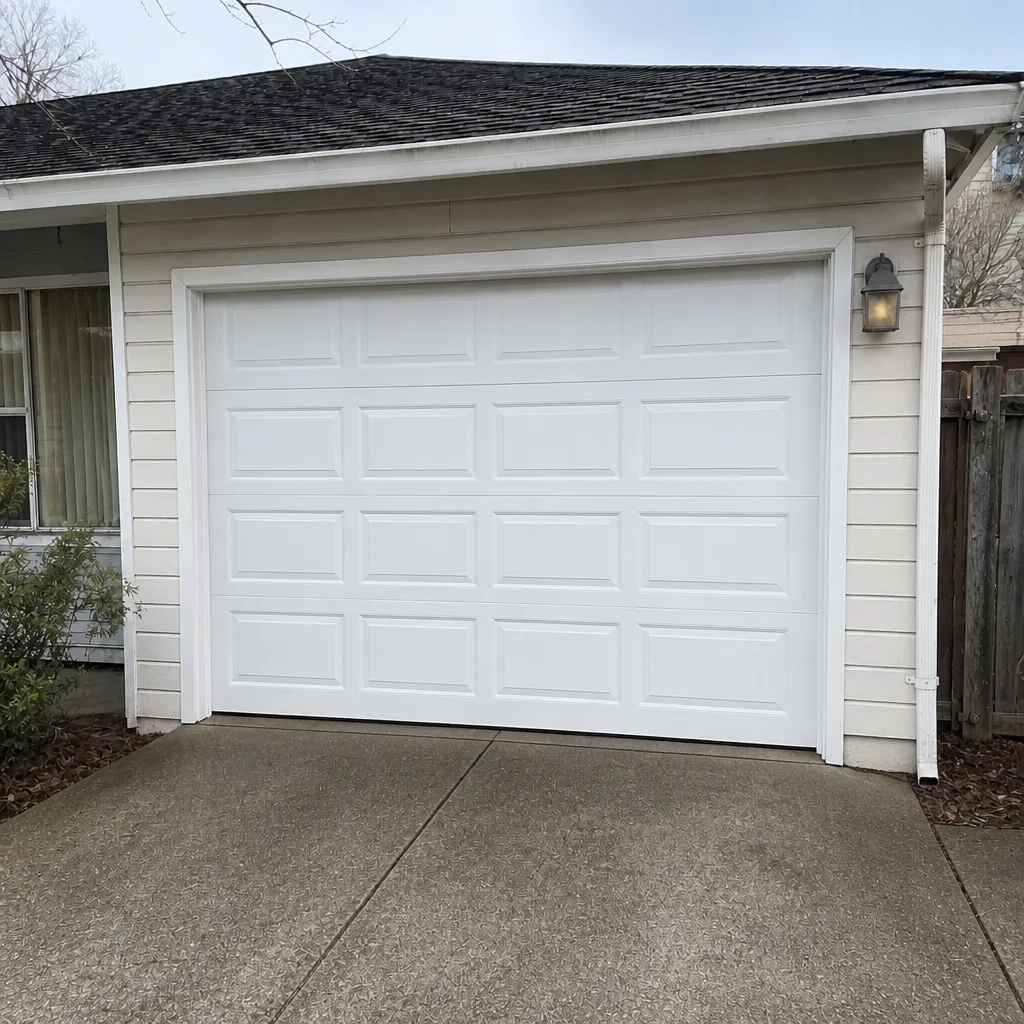 After
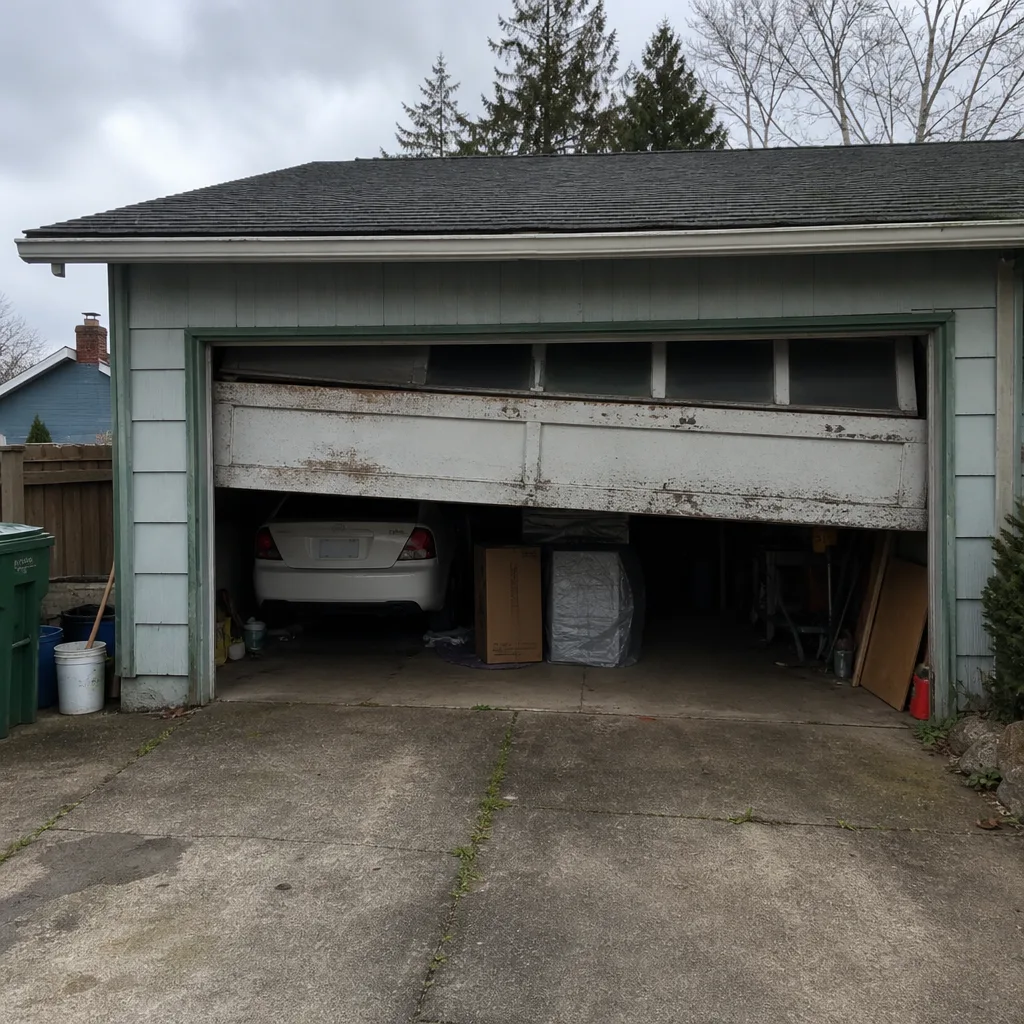 Before
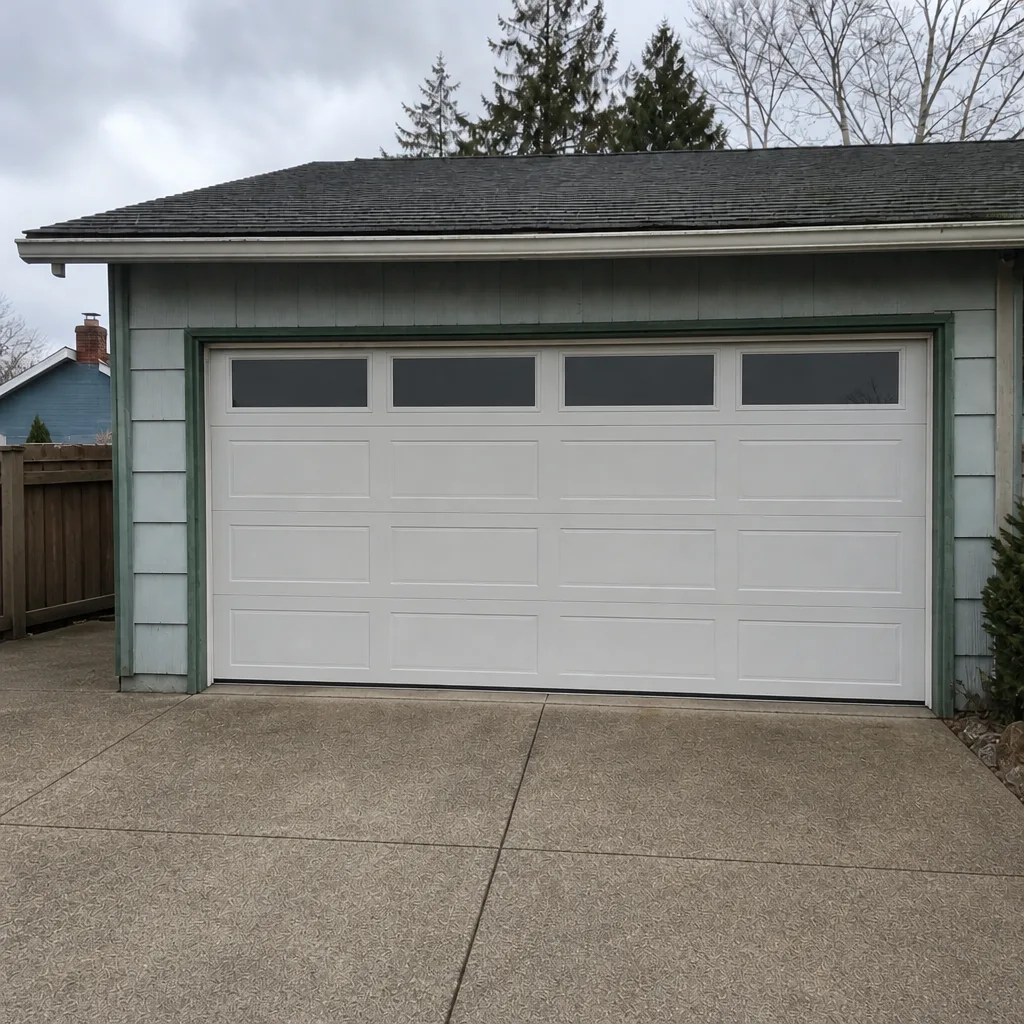 After
Frequently Asked Questions
There’s no single best brand, and any seller claiming otherwise is oversimplifying. For a Gresham home, the right choice balances a locally serviceable brand with the features that matter here: 24-gauge steel for dent and finish durability, moderate insulation matched to your garage’s role, and parts a technician can actually get. Clopay, Amarr, and Wayne Dalton are common in the area with parts that are usually findable. Call (866) 890-0843 for a free estimate and we’ll compare options for your door.
Usually only up to a point. Our mild Pacific Northwest climate means moderate insulation handles most Gresham garages, and premium insulation rarely pays back in energy savings unless the garage is a living space or shares a wall where you feel the cold. Match insulation to the garage’s role, not the top of the price sheet. Call (866) 890-0843 for a free estimate.
It’s one of the most important specs and one of the most often skipped. A 24-gauge panel is thicker and more dent-resistant than 26-gauge, and in our long wet season a thicker panel also holds its finish longer because it flexes less. If a seller won’t tell you the gauge, treat that as a warning. Call (866) 890-0843 to talk through gauges before you buy.
Because a warranty you can’t easily use doesn’t help you. A brand with a long national warranty that requires factory-authorized service from Portland is worth less than a mid-tier brand with parts available locally, since the second one gets your door working again without a long wait for shipping. Ask who can service the brand before you commit. Call (866) 890-0843 for a free estimate.
Judge the opener the way you’d judge the door: on repairability and local parts access. LiftMaster, Chamberlain, and Genie are widely repairable with parts that are usually available, which keeps a repair quick. Retail-focused brands can be thinner on parts access. Call (866) 890-0843 and we’ll walk through what fits your setup.
In most cases, yes. We work on what you have, covering eight major brands across both doors and openers, so a single call can handle the door and the opener together. That includes the common names you’ll see across Gresham and the contractor-grade brands. Call (866) 890-0843 for a free estimate before any work starts.
The Bottom Line
Brand selection for a garage door in Gresham matters less than the sales conversation suggests. What actually determines long-term performance is the gauge of the steel, an insulation R-value matched to our mild climate rather than oversold, and whether a local technician can service the brand you choose without upselling you toward replacement parts. Favor 24-gauge over 26-gauge for dent resistance and finish durability in the wet season. Choose moderate insulation unless the garage is a living space. And judge the door and the opener on local serviceability first, name recognition second. Work through the steps above and the choice gets clearer.
If you’d like a straight comparison for your own door, our team covers the full mechanical picture, door and opener alike. Call (866) 890-0843 for a free estimate. We answer 24/7. Fast dispatch from 7am to 7pm, Sunday through Friday. The price is quoted and agreed before any work starts, so there’s no surprise on the invoice.
Written by the team at Sycamore Garage Door Repair.