
Last updated November 16, 2026
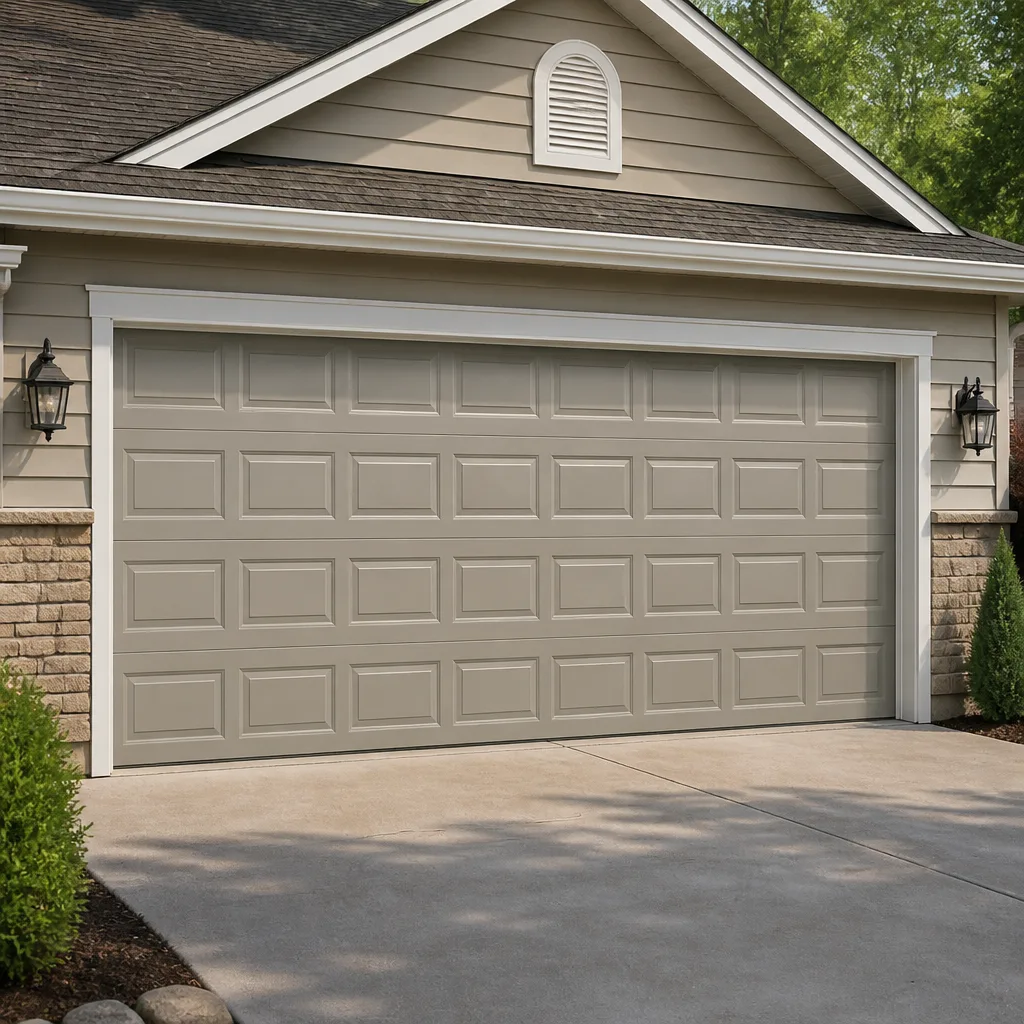 Raised-panel steel
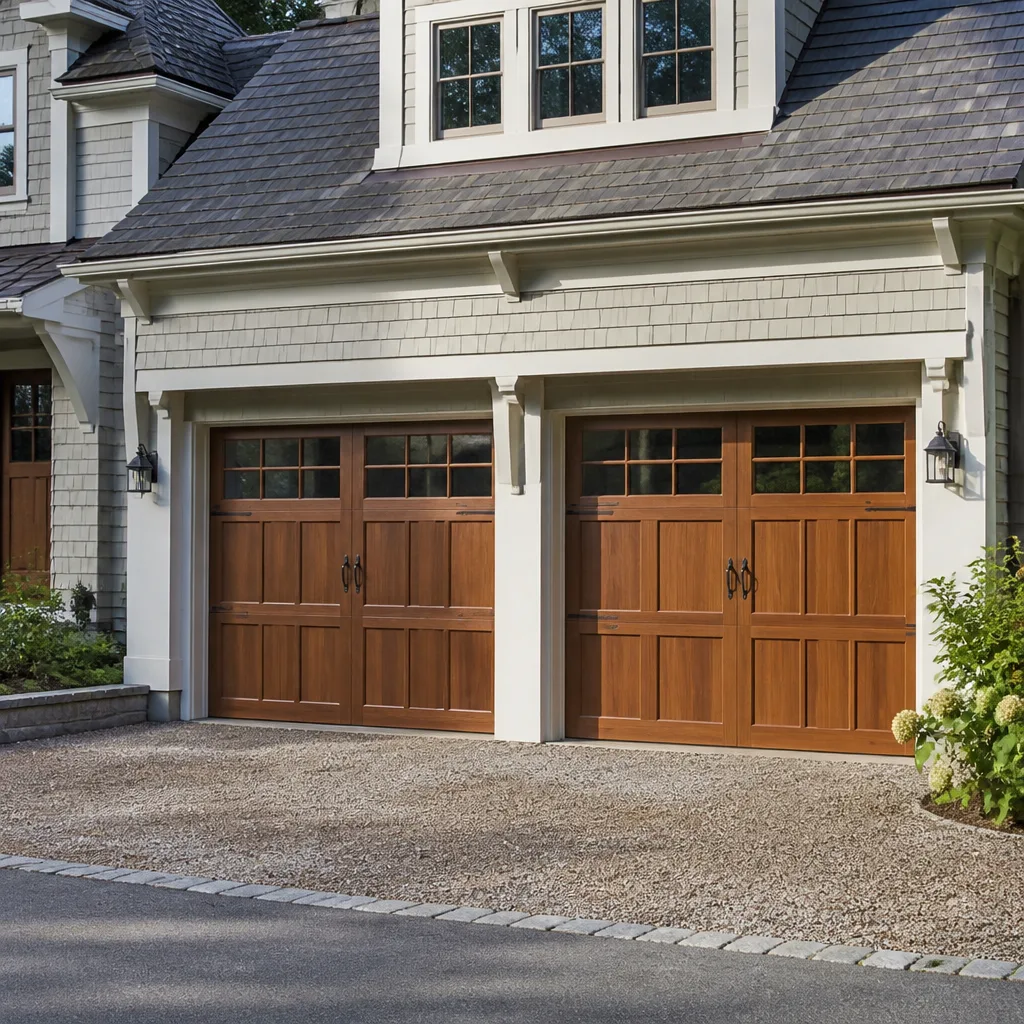 Carriage house
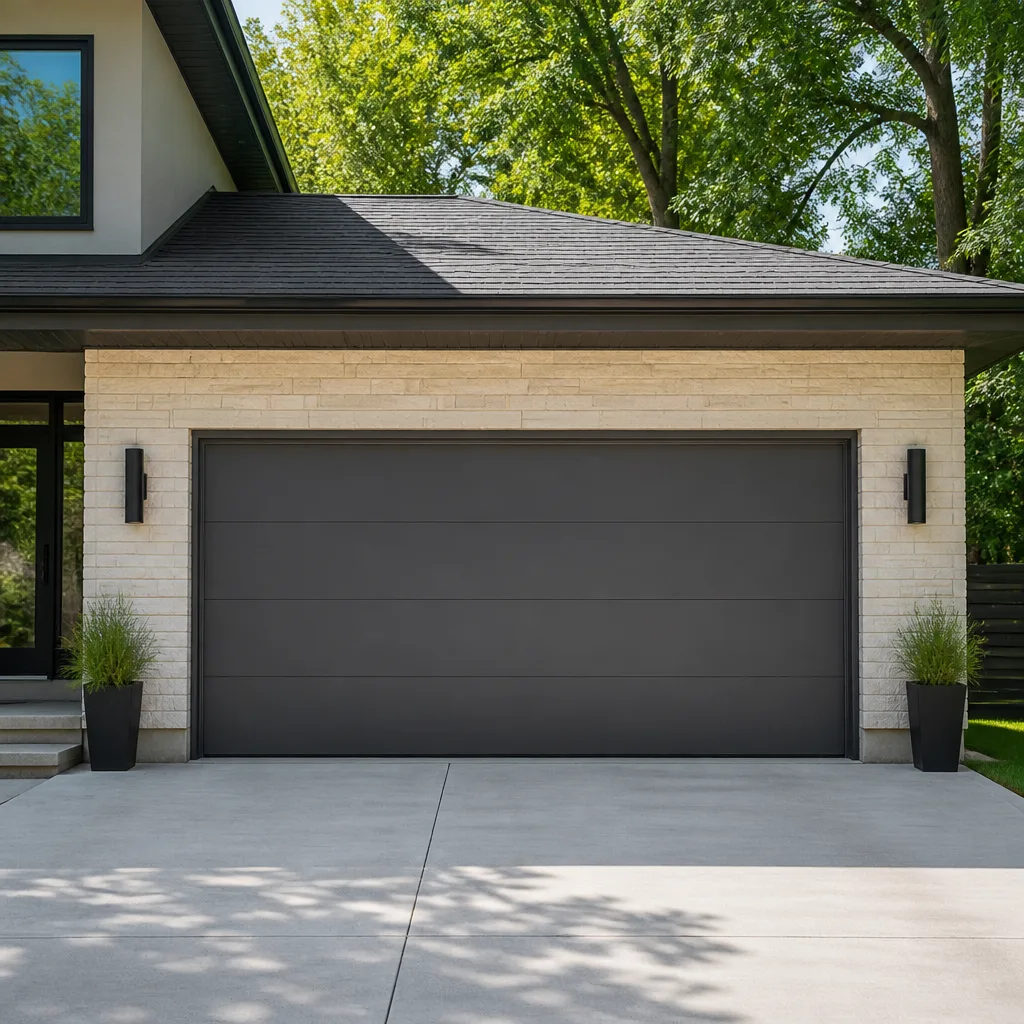 Modern flush
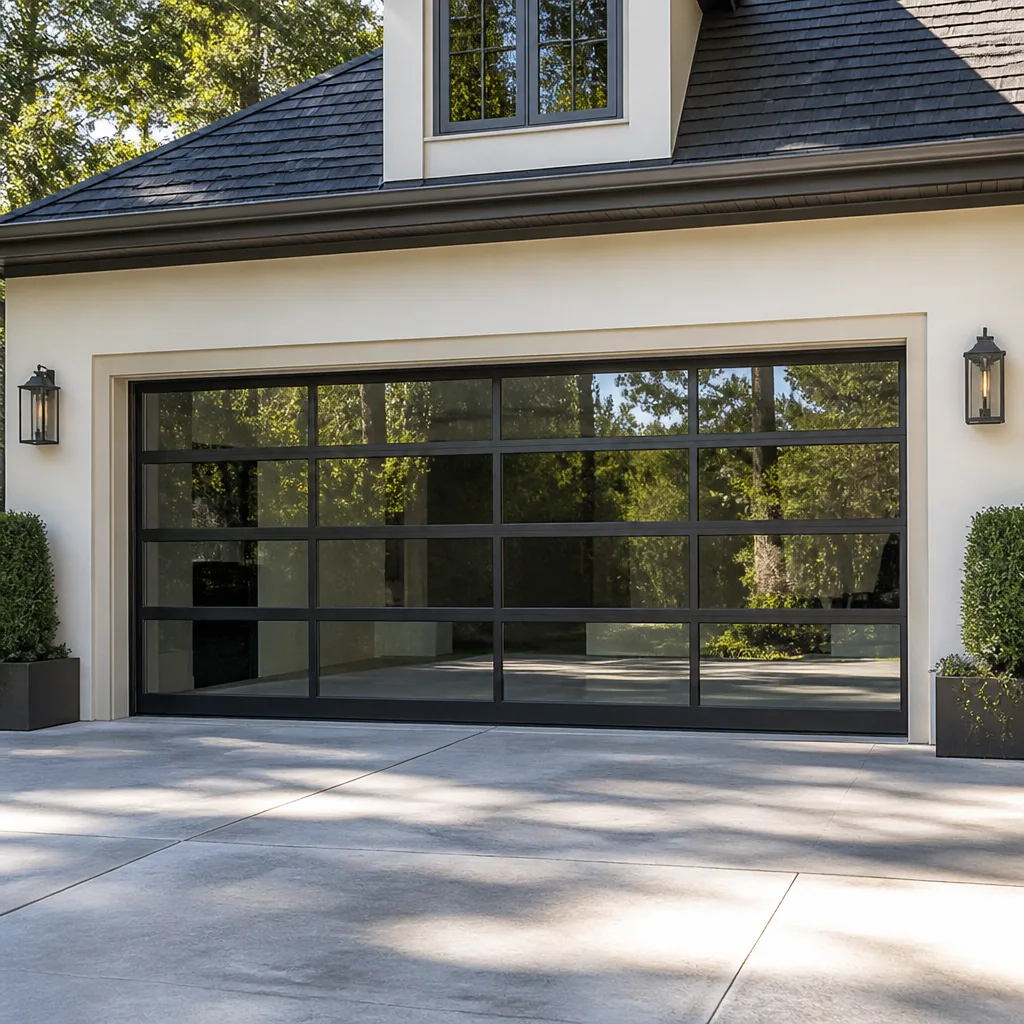 Full-view glass
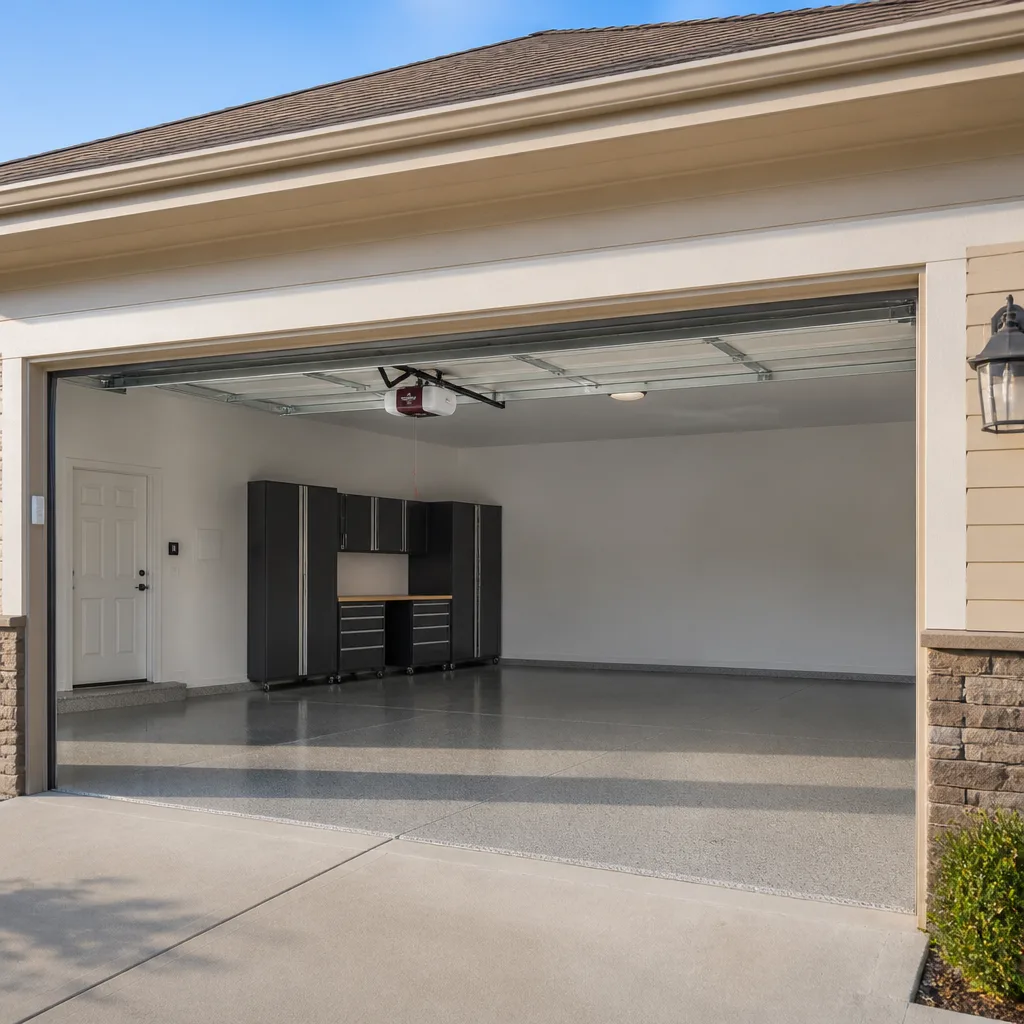 LiftMaster openers
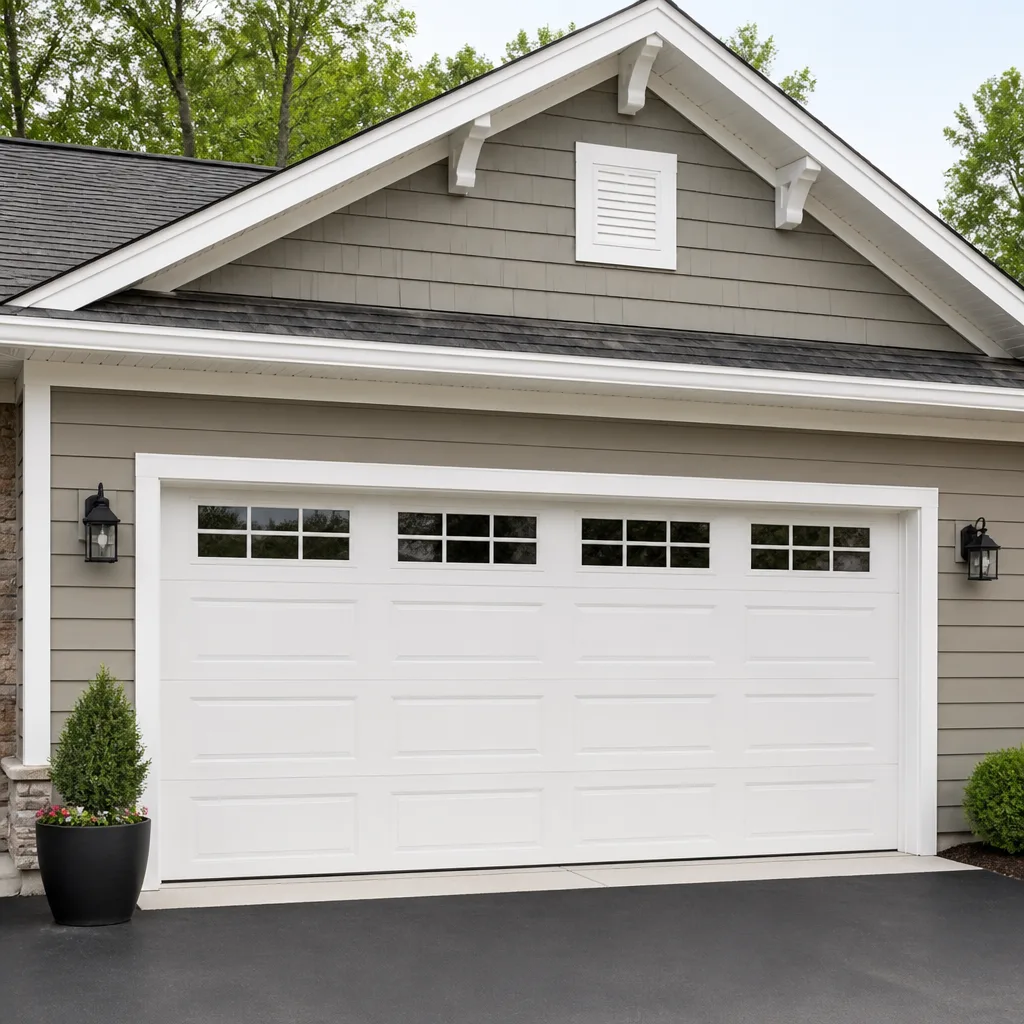 Chamberlain openers
Full 25-point door and opener safety check with every visit - springs, cables, rollers, tracks, and your LiftMaster or Chamberlain opener included
You get a price before we start. It does not change when the pro arrives.
Get your free estimateDIY vs Professional Garage Door: The Gresham Homeowner’s Decision Guide
Here’s the thing most DIY garage door videos skip: a torsion spring under load holds enough stored energy to break a wrist or send someone to the hospital, and the person filming has replaced hundreds of them. The edit hides the moment it nearly went wrong. That doesn’t make every garage door task dangerous, but it does mean the DIY-or-professional question isn’t really about skill level. It’s about which specific jobs carry real injury risk and liability exposure, and which ones any careful homeowner can handle. This guide breaks it down task by task, so you know exactly where the safe line sits in your own Gresham garage.
Quick Answer
Safe DIY garage door work covers lubrication, sensor alignment, remote and keypad reprogramming, and weather seal replacement. Torsion springs, cable drums, and structural panel replacement belong in professional hands because the stored energy and load can cause serious injury and turn a small repair into a much bigger one. Most Gresham homeowners can diagnose their own problem for free, then decide whether the fix is a five-minute adjustment or a call.
Styles & brands we work with
- Raised-panel steel
- Carriage house
- Modern flush
- Full-view glass
- LiftMaster openers
- Chamberlain openers
Table of Contents
- Why Garage Door DIY Is Different From Other Home Repairs
- What You Can Safely Do Yourself
- What Requires Professional Hands
- The Oregon Liability Angle: Insurance and Disclosures
- The Tool Cost Reality Check
- How to Be a Smart DIY Homeowner Without Touching Dangerous Parts
- How to Verify a Professional Repair Before You Pay
Why Garage Door DIY Is Different From Other Home Repairs
Most home repairs fail in a boring way. A leaky faucet drips. A bad paint job peels. A garage door that’s put back together wrong can drop, twist off its track, or leave a spring under tension that lets go later. The failure mode is physical, not cosmetic, and that changes the risk math.
The core issue is stored energy. A torsion spring above the door has to hold the full weight of the door in balance, and it does that under constant tension. When a spring is being installed or removed, the bars holding that tension are the only thing between the mechanism and the person working on it. Technicians who do this daily wear gloves and eye protection and still treat every spring change as a hazard. A homeowner doing it once, with a borrowed set of winding bars and a video paused on a phone, is working without the muscle memory that keeps hands out of the danger zone.
There’s a second layer specific to Gresham. The Willamette Valley’s wet winters and humid shoulder seasons put a lot of moisture into garages, and that moisture works on springs, cables, hinges, and rollers. A door that looks fine in July can have rust that weakens a cable by December. When parts are already compromised, the margin for error on a DIY repair shrinks. We see this pattern across Gresham, from the older homes near downtown to newer builds out toward the east side. The hardware ages faster than the homeowner expects, and that’s before anyone touches it.
None of this means you should be afraid of your garage. It means the decision to DIY or call comes down to matching the task to the actual risk, not to confidence or a how-to video. The rest of this guide does that matching.
What You Can Safely Do Yourself
A surprising number of garage door problems are adjustments, not repairs. These are the tasks where a careful homeowner with basic tools can save a service call without touching anything under load.
- Lubrication. A few drops of garage-door lubricant on hinges, rollers, and the torsion bar bearings quiets a noisy door and slows rust. Avoid spraying the tracks themselves; lube there attracts grit and makes the door drag.
- Safety sensor alignment. If the door reverses or refuses to close, check the two small sensors near the floor. They should face each other, be clean, and have a steady indicator light. A bumped sensor or a cobweb is a common cause of a door that won’t close.
- Remote and keypad reprogramming. A remote that stopped working after a power surge or a dead battery usually just needs to be re-paired. That’s a manual-and-a-few-button-presses job for a LiftMaster, Chamberlain, Genie, or Craftsman unit.
- Weather seal replacement. The rubber strip along the bottom of the door and the seals on the sides take a beating in Gresham’s wet months. Replacing the bottom seal is straightforward: measure, cut, slide the new strip into the retainer, and close the door to check the fit.
- Battery replacement. In the opener, the wall button, and the remote. Sounds obvious, but a dead battery in a wall console looks exactly like a failed opener.
- Visual inspection. Look at cables for fraying, springs for gaps or rust, and the door’s panels for cracks. You’re not fixing anything here, just building the picture you’ll need if you do call.
These tasks don’t require special tools, and none of them put a body part near a loaded spring or cable. If your problem ends here, you’ve genuinely saved money.
What Requires Professional Hands
Some garage door work isn’t a matter of difficulty. It’s a matter of consequence. These are the jobs where a mistake doesn’t mean a redo; it means an injury or a door that fails unpredictably.
- Torsion spring replacement. The spring above the door stores enough energy to cause serious injury if it releases while being wound or unwound. The winding bars must be the correct size, inserted fully, and handled with the door in the right position. This is the single most dangerous job on a garage door, and it’s the one most often attempted from a video.
- Cable replacement. Cables run under tension alongside the springs. A cable that snaps or is cut while loaded can whip with force. Cables also have to be routed and tensioned correctly, or the door comes down unevenly.
- Cable drum and bearing plate work. The drums on each side of the torsion bar hold the cables, and they must be set to the same tension. Uneven drums twist the door in its tracks.
- Structural panel replacement. A cracked or bent panel affects how the door travels. Replacing one means matching the panel to the door’s make and model and rebalancing afterward. This is where knowing Clopay and Amarr panel systems matters; a generic panel won’t fit the door you have.
- Track realignment after impact. A car that nudges the door can bend a track without visible damage. Realigning it without checking the whole system can lead to a door that jumps its track later.
- Opener replacement or major opener repair. Swapping a motor looks like a wiring project, but the opener and door have to be matched for travel limits, force settings, and safety reversal. It’s also where LiftMaster, Chamberlain, Genie, and Craftsman models differ enough that a generic install guide does more harm than good.
If a task appears on this list, the DIY savings argument collapses fast. Call us at (866) 890-0843 and we can talk through what you’re seeing. We answer 24/7, and fast dispatch from 7am to 7pm gets a technician out to look at it.
The Oregon Liability Angle: Insurance and Disclosures
Here’s the part nobody mentions in a DIY video: what happens to a garage door repair when it’s not just a repair anymore. If you work on a safety-critical component yourself and something goes wrong, the conversation changes from “how do I fix this” to “who’s responsible.”
On the insurance side, a garage door that fails and damages a vehicle, a stored item, or part of the house invites a claim review. Insurers look at whether the failure came from normal wear or from work that wasn’t done to standard. A spring that was replaced by a homeowner raises a different set of questions than one that was replaced professionally, and you don’t want to be explaining your weekend repair to an adjuster. We can’t promise how any specific claim will go, and we won’t pretend to. What we can say is that professional work, done and documented, tends to keep those conversations simple.
On the disclosure side, Oregon home sales require sellers to disclose known defects and material issues. If you’ve replaced a torsion spring or rebalanced a door yourself and it hasn’t been quite right since, that’s the kind of thing that surfaces during an inspection and complicates a closing. Buyers’ inspectors look closely at garage doors because they’re a common failure point, and they’re trained to spot homeowner work. A repair that was done properly, with the right parts and correct tension, doesn’t raise those questions.
The shortcut version: on safety-critical components, the liability isn’t just physical. It follows the door. That’s a real reason to leave spring and cable work to a professional even if you’re handy.
The Tool Cost Reality Check
The savings argument for DIY spring replacement sounds great until you price the tools. The specialized equipment needed for torsion work isn’t in most garages, and buying it for one job rarely makes sense.
- Winding bars. You need a matched pair of solid steel bars sized to your spring. Cheap substitutions, like screwdrivers or mismatched rods, are exactly how DIY spring injuries happen.
- Proper gloves and eye protection. Non-negotiable on spring and cable work, and a step most video tutorials gloss over.
- Tensioning and measuring tools. Correct winding count, cable tension, and door balance all have to be checked, and that means tools and the know-how to read them.
- A spring matched to the door. Springs are sized by wire gauge, inside diameter, and length. A wrong spring won’t balance the door and can fail early. Matching it requires measuring the old one correctly, which is harder than it sounds once the spring is broken.
Add it up and the cost of buying the tools for one spring replacement usually meets or exceeds the price of having the job done. And you’re still doing the dangerous part yourself. When we quote spring work, the price includes the correct spring, the tools, and the experience to do it safely. One spring is typically one range; a matched pair is replaced together and costs about twice that. The written estimate sets the final price before any work starts, and the estimate is free. That’s the comparison to make: your money out the door either way, versus your money plus your risk.
How to Be a Smart DIY Homeowner Without Touching Dangerous Parts
The best DIY move on a garage door isn’t a repair at all. It’s diagnosis. If you can tell a technician exactly what the door is doing and when, the service call gets shorter and the fix gets faster. Here’s the sequence we’d walk any Gresham homeowner through.
- Note what the door does, not what you think is broken. “It goes up three feet and stops” is more useful than “I think the spring is bad.” Movement, sound, and timing tell the technician more than a guess.
- Check the obvious. Safety sensors, remote battery, wall button, and the circuit breaker for the opener. A door that won’t respond at all is often an opener power issue, not a door issue.
- Listen. A bang from the garage followed by a door that won’t lift is the classic broken-spring signature. A grinding or scraping sound points to rollers or tracks. A hum with no movement points to the opener.
- Look at the door from the side. A door that’s crooked in the tracks, or one side higher than the other, tells you the cables or springs are out of balance. Don’t try to correct it.
- Check balance safely. With the door closed, pull the release handle to disconnect the opener, then lift the door by hand about halfway and let go. A balanced door stays put. A door that drops or rises on its own is out of balance and needs professional attention. Never force it.
- Write down the brands. Note the make of the door and the opener. Knowing whether you have a LiftMaster or Chamberlain opener, or a Clopay or Amarr door, helps the technician arrive with the right parts and the right diagnostic approach.
That information turns a service call into a targeted repair instead of an investigation. Our technicians have up to 12 years of experience, and they’ll tell you straight what’s wrong and what it takes to fix it. If you’re in Gresham, we can look at a garage door repair and the opener in the same visit, so one call covers the full system. For more on the area we cover, see our Gresham page.
How to Verify a Professional Repair Before You Pay
Once you’ve decided to call a professional, a little attention during the visit protects you. You don’t need to supervise, but you should know what a correct repair looks like. Here’s what to check.
- Confirm the price before work starts. The estimate should be written and agreed before anyone touches the door. If the number changes after the fact, ask why before you pay. We set the price with a written estimate and quote it before the work begins.
- Ask what was replaced and why. A good technician will show you the failed part and explain what it was doing. If the answer is vague, that’s a red flag.
- Watch the balance test. After a spring or cable repair, the technician should disconnect the opener and check the door’s balance by hand. If the door doesn’t stay where it’s put, the repair isn’t finished.
- Check the safety reversal. The door should reverse when it meets an obstruction. The technician should test this before leaving. You can re-test it yourself by placing a roll of paper towels under the door as it closes.
- Run the door several full cycles. A correct repair travels smoothly, opens fully, closes fully, and doesn’t scrape or bind. Do this yourself before the technician leaves.
- Check the opener settings. If the opener was worked on, the travel limits and force settings should be set to your door. A test on the remote and keypad confirms they’re paired.
Any legitimate technician should welcome these checks. If one doesn’t, that’s information too. When the work is done right, the door tells you. Sycamore Garage Door Repair offers free estimates in Gresham. Call (866) 890-0843. We answer 24/7, with fast dispatch from 7am to 7pm.
Common Mistakes to Avoid
- Trying to wind a torsion spring with screwdrivers. The tools aren’t the right shape to hold the tension, and the spring can release with the bar still in it. It’s the single most common DIY injury pattern on garage doors.
- Ignoring a bang from the garage. A loud bang followed by a door that won’t lift usually means a broken spring, not a temporary glitch. Running the opener against a dead spring burns out the motor and turns a spring repair into an opener repair.
- Lubricating the tracks. Lube on the tracks attracts grit, and the rollers need to roll, not slide. Lube the hinges, rollers, and bearings instead.
- Letting the wet season sit on the door. Gresham’s rainy months rust cables and hinges faster than most homeowners expect. A quick visual check in fall prevents a failure in January.
- Assuming a new opener will fix a door problem. A door that’s out of balance will wear out a new opener too. Diagnose the door before replacing the motor.
- Filing an insurance claim or selling a house on an unrepaired DIY fix. A DIY spring or cable repair that wasn’t quite right tends to surface during an inspection or a claim review, and it complicates both.
- Paying before the work is verified. Run the door yourself, test the safety reversal, and make sure the balance check was done before the technician leaves.
See the difference
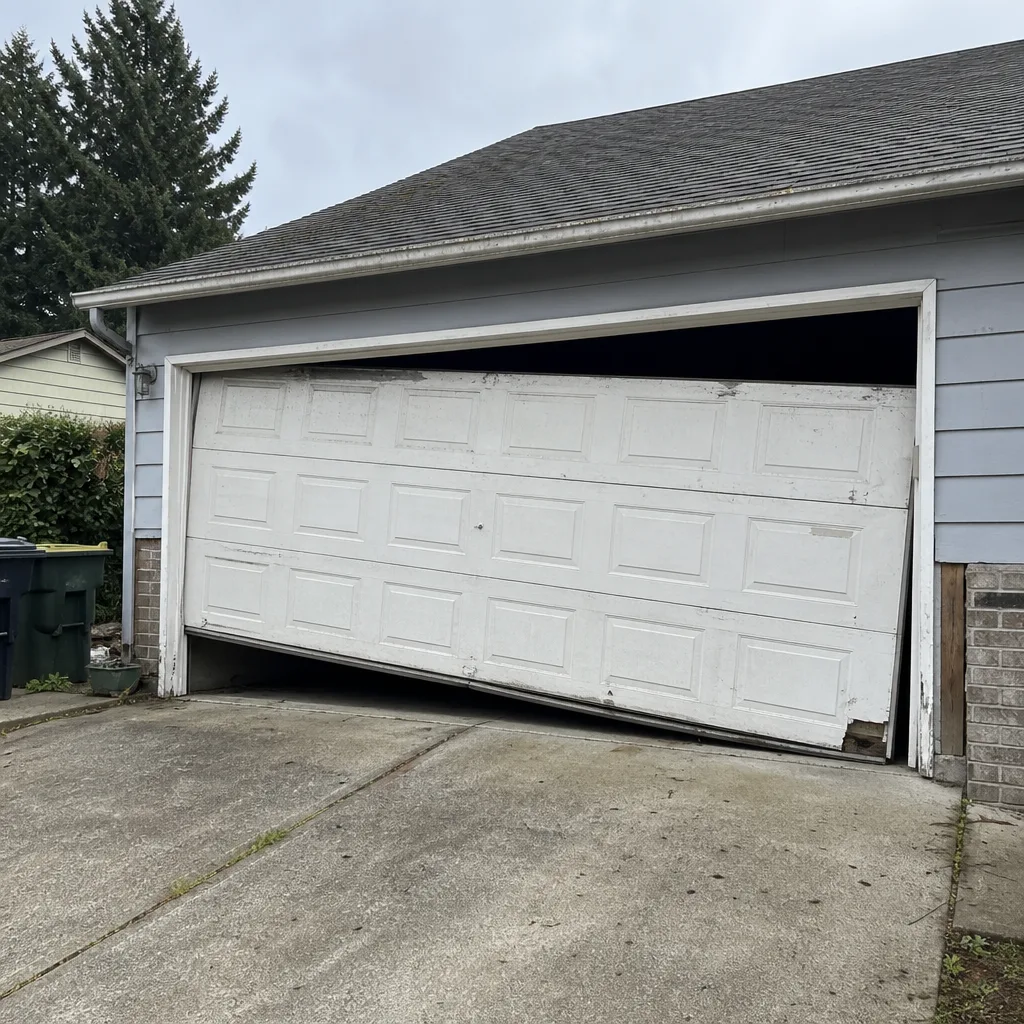 Before
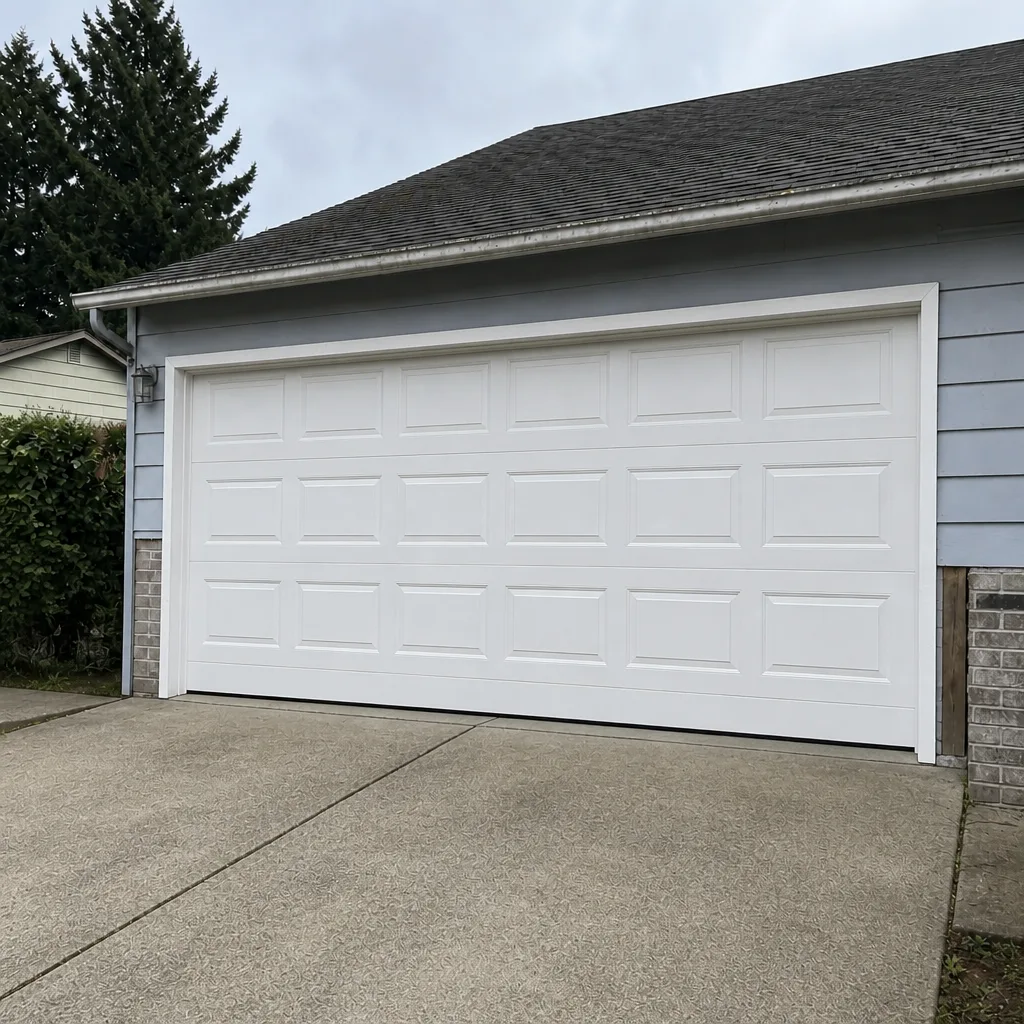 After
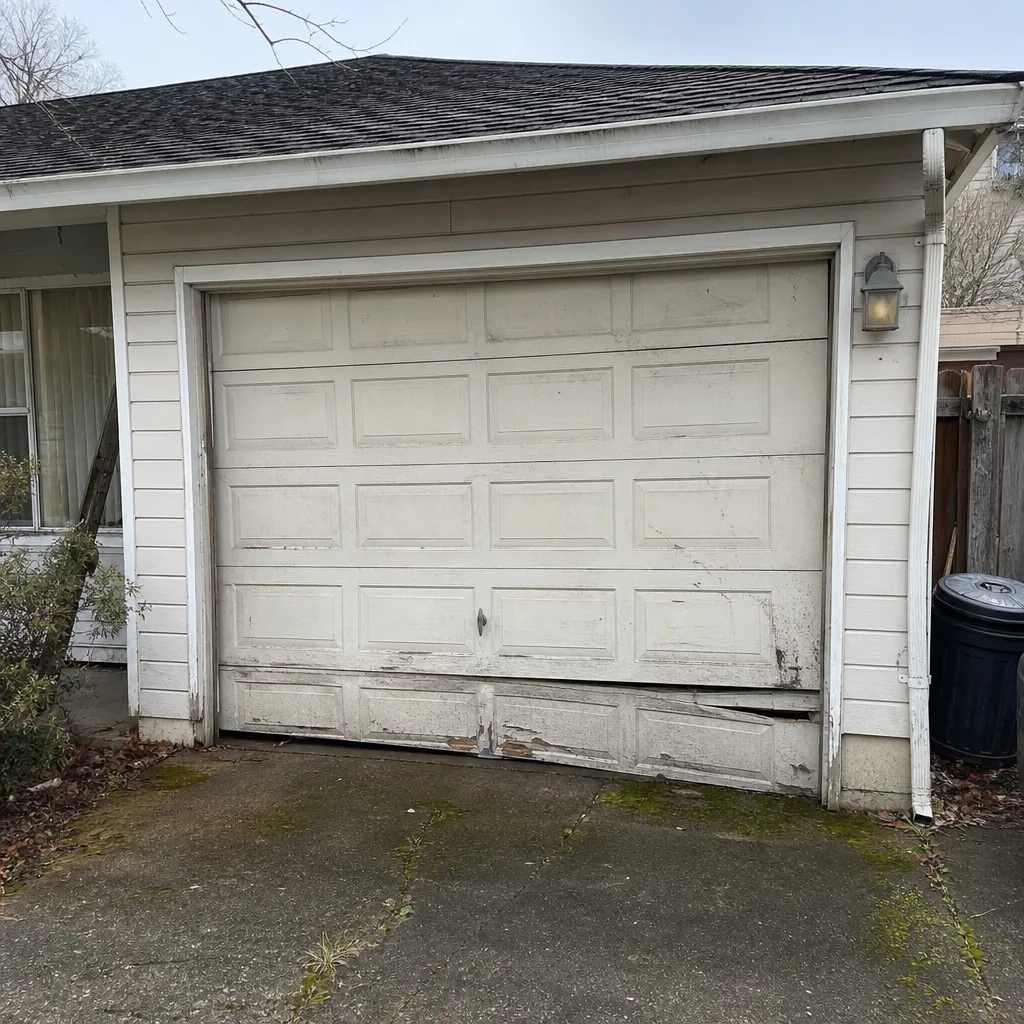 Before
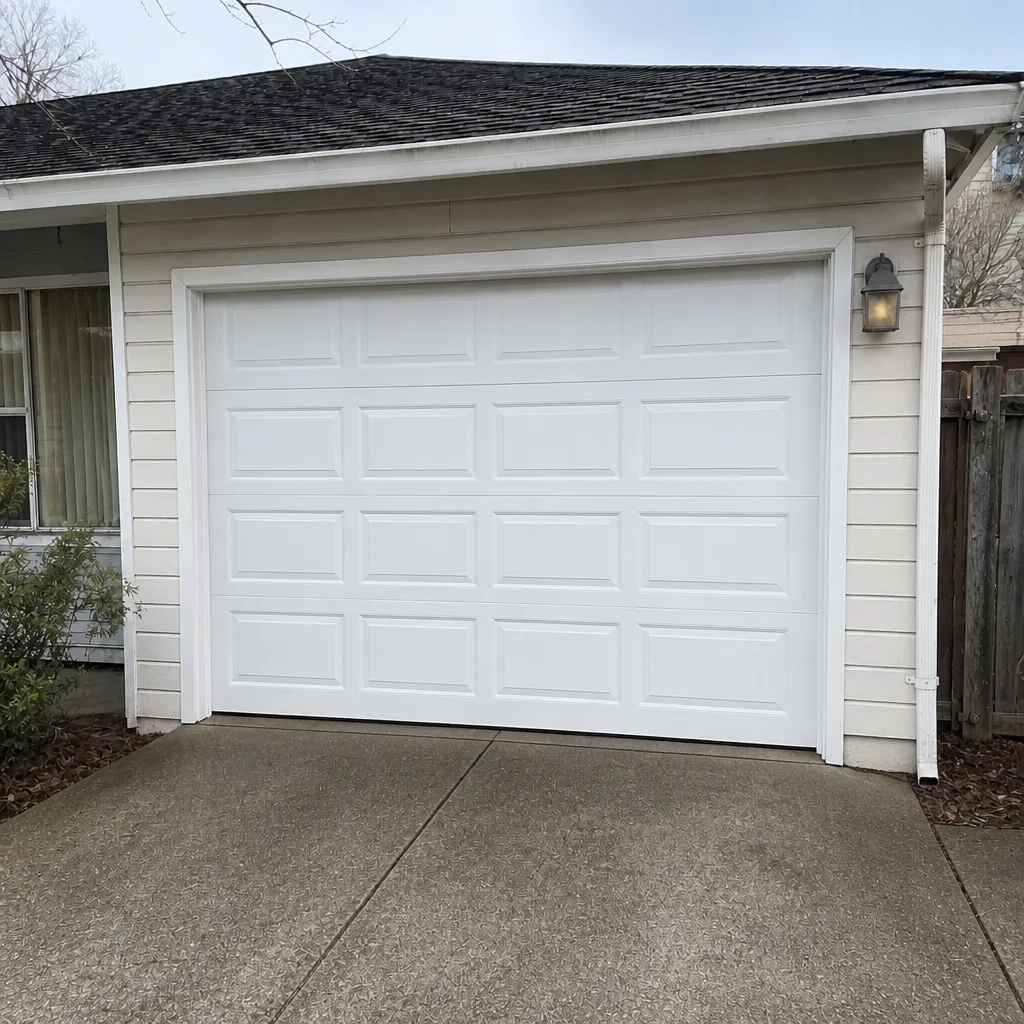 After
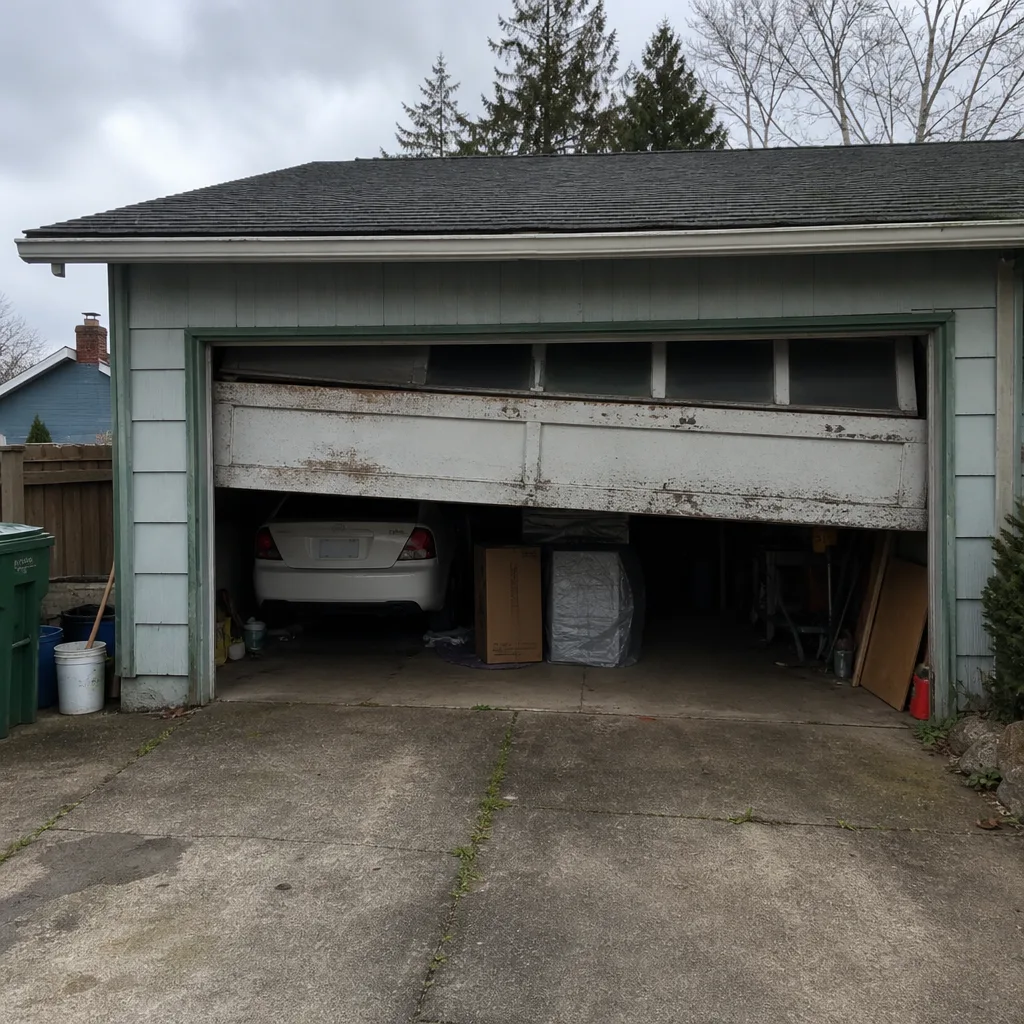 Before
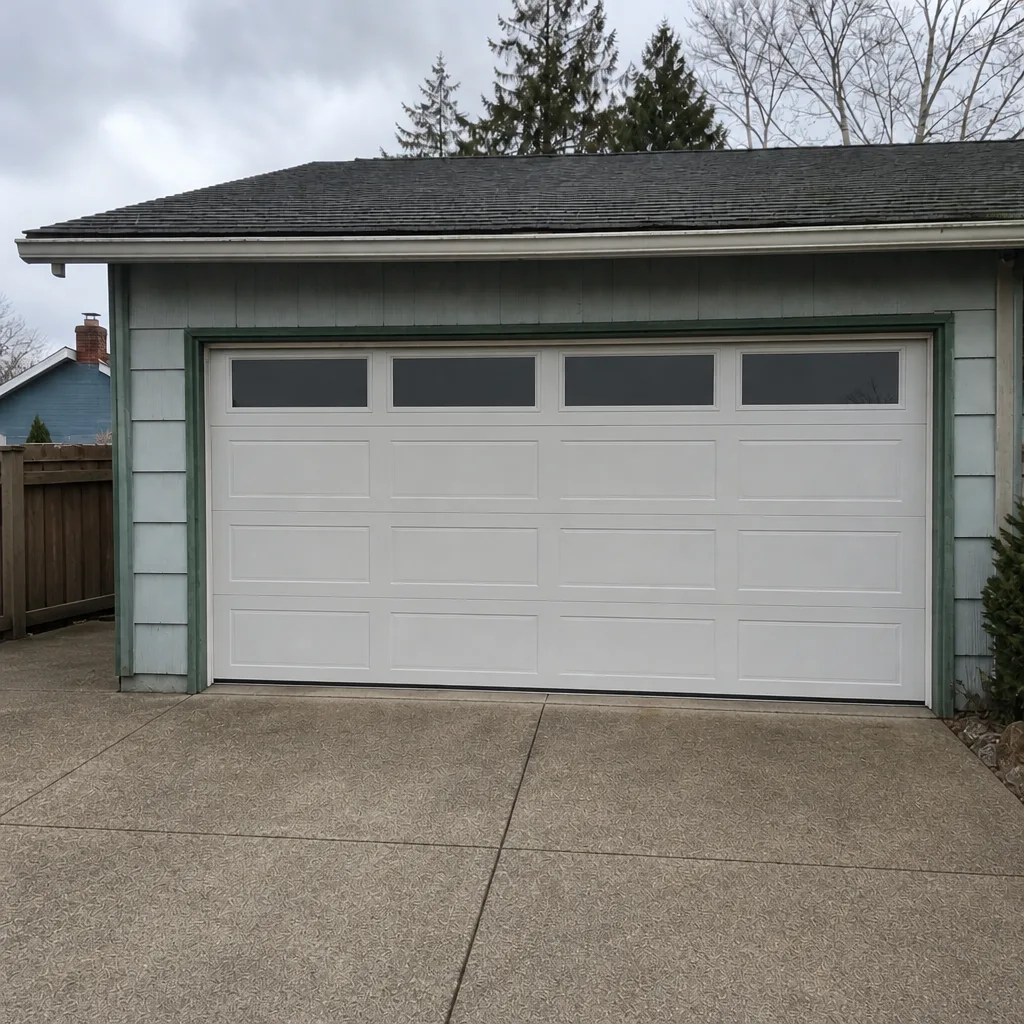 After
When to Call a Professional
Call a professional if the door makes a loud bang and won’t lift, sits crooked in the tracks, or won’t stay balanced when you lift it by hand. Call if a cable looks frayed, if the door jumps or scrapes, or if the opener runs but the door doesn’t move. Call if you’re not sure what’s wrong after your own checks. And call if your task appears anywhere on the professional list above, especially spring or cable work. Those jobs carry real injury risk and Oregon liability exposure that DIY savings don’t cover. Sycamore Garage Door Repair offers free estimates in Gresham. Call (866) 890-0843 for a straight answer on what your door needs. If it’s an opener issue, we handle garage door opener repair on LiftMaster, Chamberlain, Genie, and Craftsman units, often in the same visit as a door repair. You can also start at Sycamore Garage Door Repair to see what we cover.
Frequently Asked Questions
No. Torsion springs store enough energy to cause serious injury or death if they release during winding or removal, and this is the job most often attempted from a video. The specialized tools are the only thing holding that tension, and a single slip is enough. Leave spring work to a trained technician and keep your hands clear of the bar.
Most repairs fall into a moderate range, with spring replacement typically costing more than a roller or sensor fix because of the danger and the parts involved. One spring is priced as one spring; a matched pair is replaced together and costs about twice that. The written estimate sets the final price, and estimates are free. Call (866) 890-0843 for an exact quote.
Yes, in most cases. A remote or keypad that stopped working after a power surge, a battery change, or a new opener install usually just needs to be re-paired. The manual for your LiftMaster, Chamberlain, Genie, or Craftsman unit walks through the button sequence. If it still won’t pair, the problem is in the opener, and that’s when to call.
It can, if a failure leads to a claim. Insurers look at whether work on a safety-critical component was done to standard, and DIY spring or cable work raises questions that professional work doesn’t. We can’t predict how a specific claim goes, but professional work keeps the conversation simple. It also matters at sale time, since Oregon disclosures cover known defects and garage doors get inspected closely.
Check the safety sensors, remote battery, wall button, and opener breaker first. Then note what the door does: when it stops, what it sounds like, and whether it sits crooked. Pull the opener release and lift the door by hand to see if it stays balanced. Write down the door and opener brands. That information makes the service call faster and more accurate.
Yes. We work on what you have, not just the brands a big-box installer is paid to push. That includes LiftMaster, Chamberlain, Genie, Clopay, Amarr, Wayne Dalton, Craftsman, and Raynor, covering both the door and the opener. If you’re not sure what you have, a photo of the door and the opener unit is enough for us to identify it. Call (866) 890-0843 and we’ll sort out what your system needs.
The Bottom Line
The DIY-or-professional question on a garage door comes down to risk, not skill. Lubrication, sensor alignment, remote reprogramming, and weather seals are safe for a careful homeowner, and doing them saves real money. Torsion springs, cables, and structural panels are a different category: the stored energy causes serious injury, the tools cost more than the job, and the Oregon liability follows the door through insurance claims and home sales. Diagnose your door yourself, then call when the task crosses the line. Sycamore Garage Door Repair works on the whole system, door and opener, across the brands you already own. Call (866) 890-0843 for a free estimate. We answer 24/7, with fast dispatch from 7am to 7pm, Sunday through Friday.
Written by the team at Sycamore Garage Door Repair.