
Last updated November 16, 2026
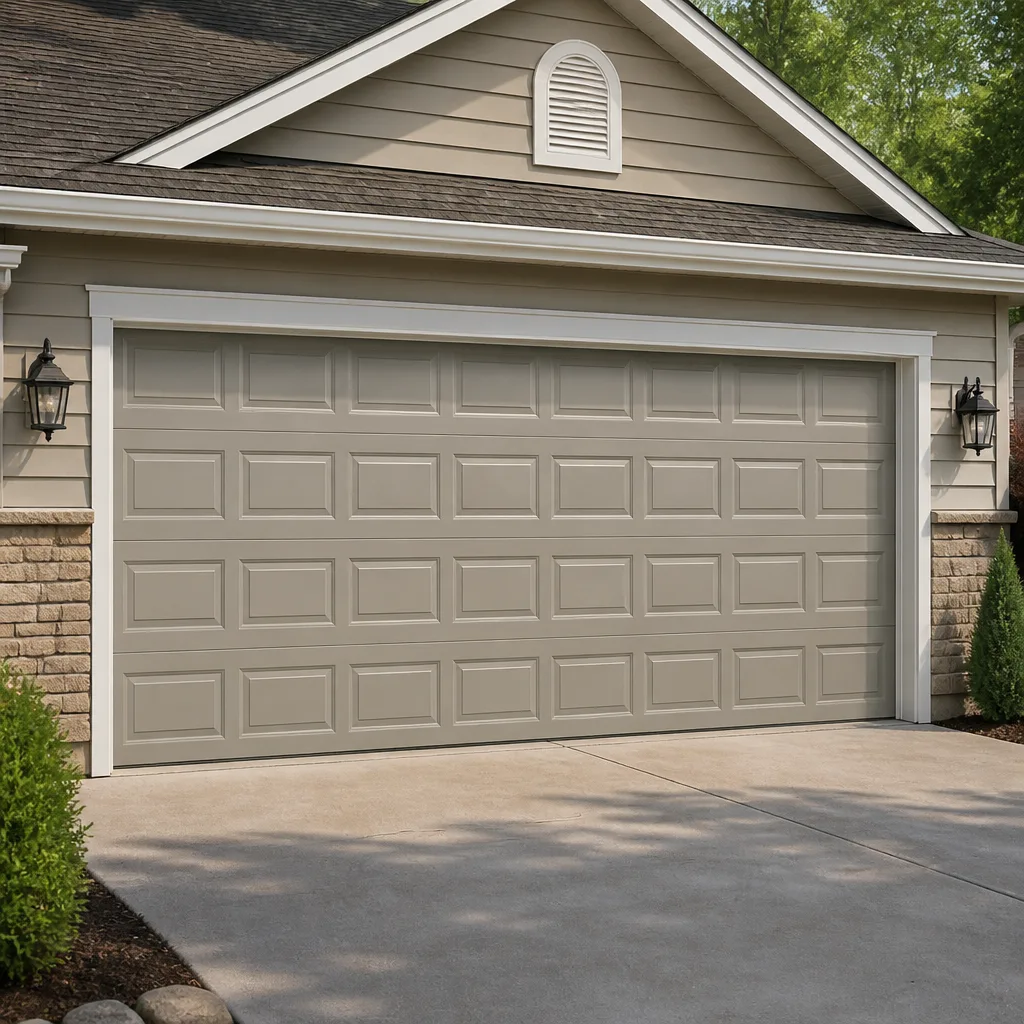 Raised-panel steel
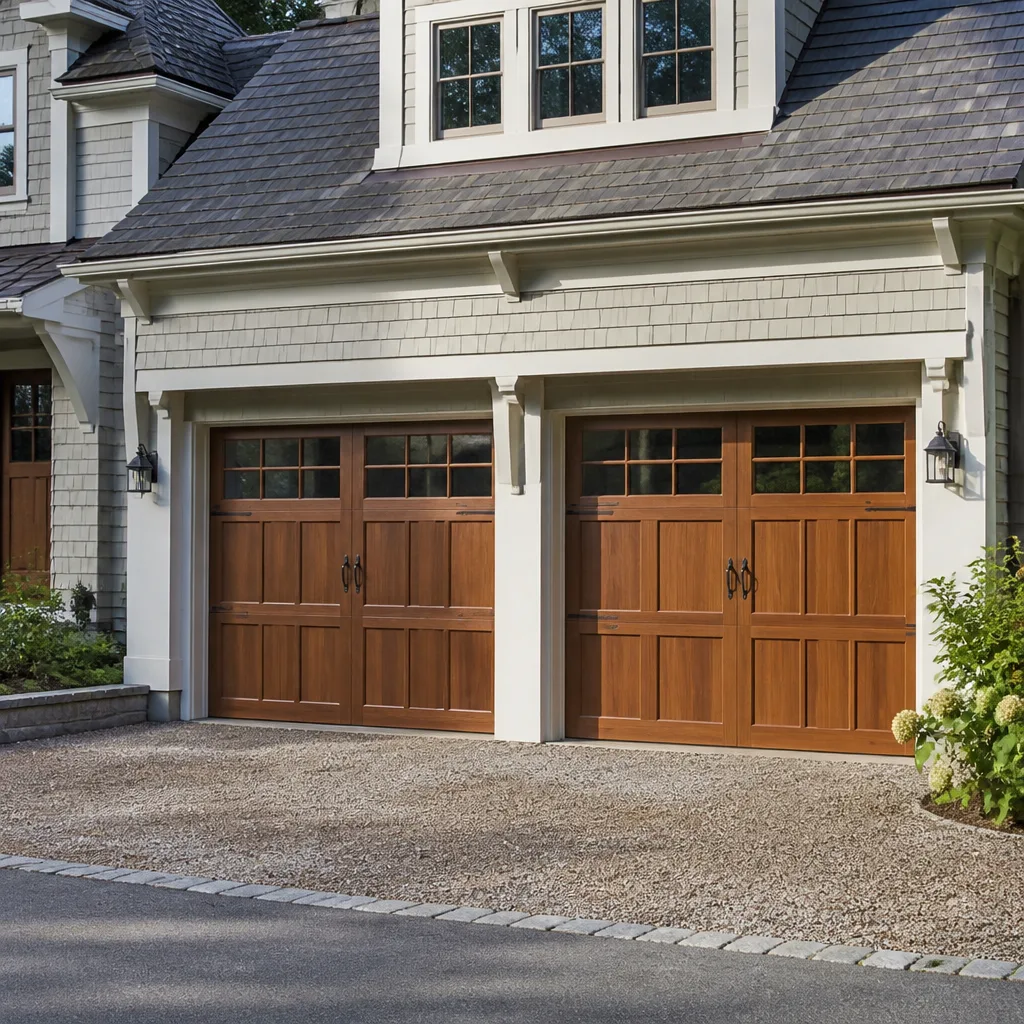 Carriage house
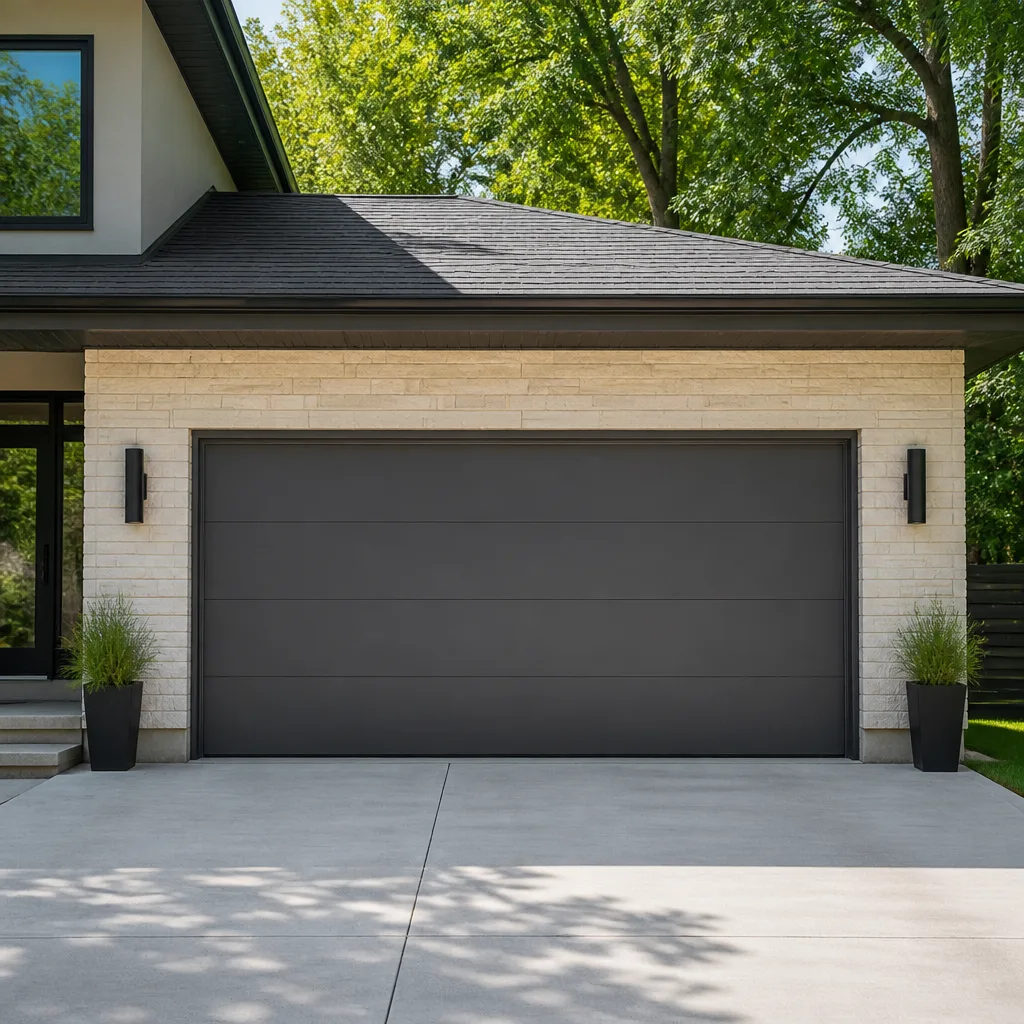 Modern flush
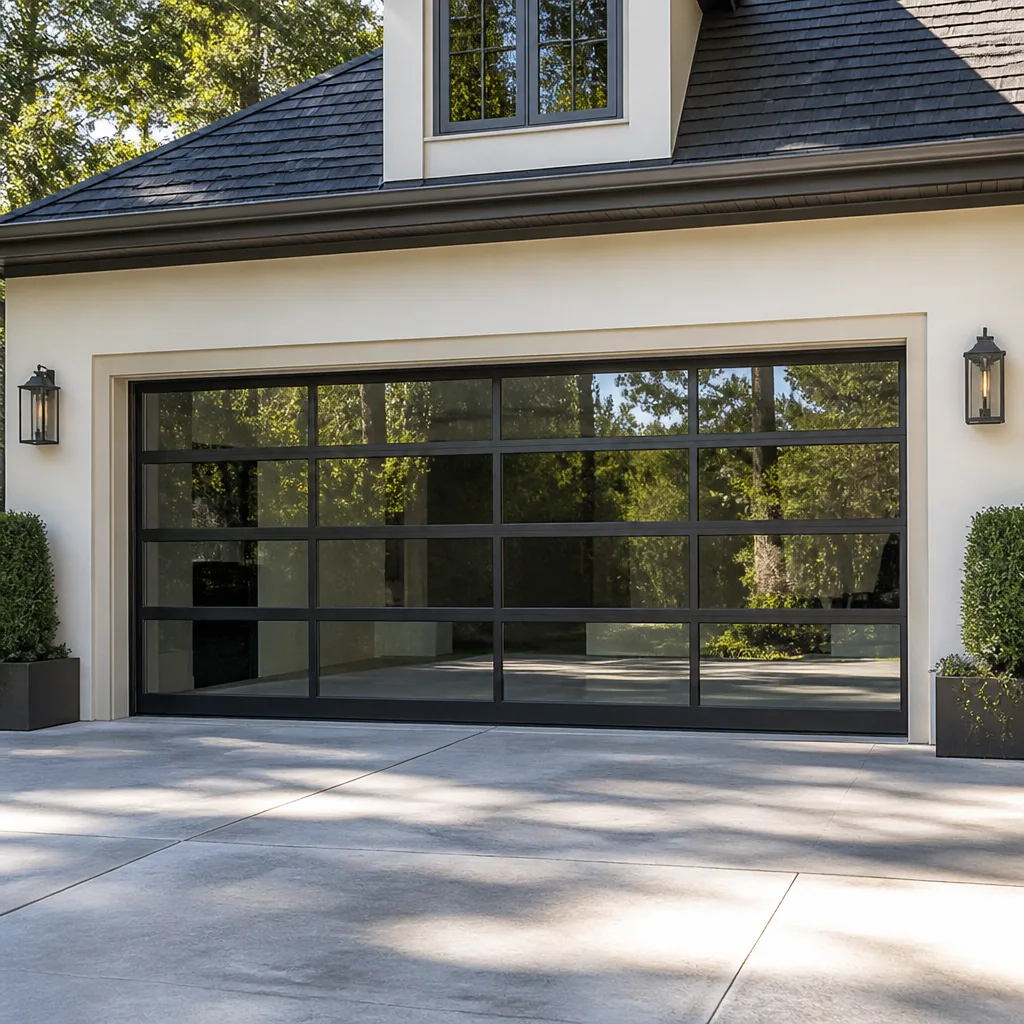 Full-view glass
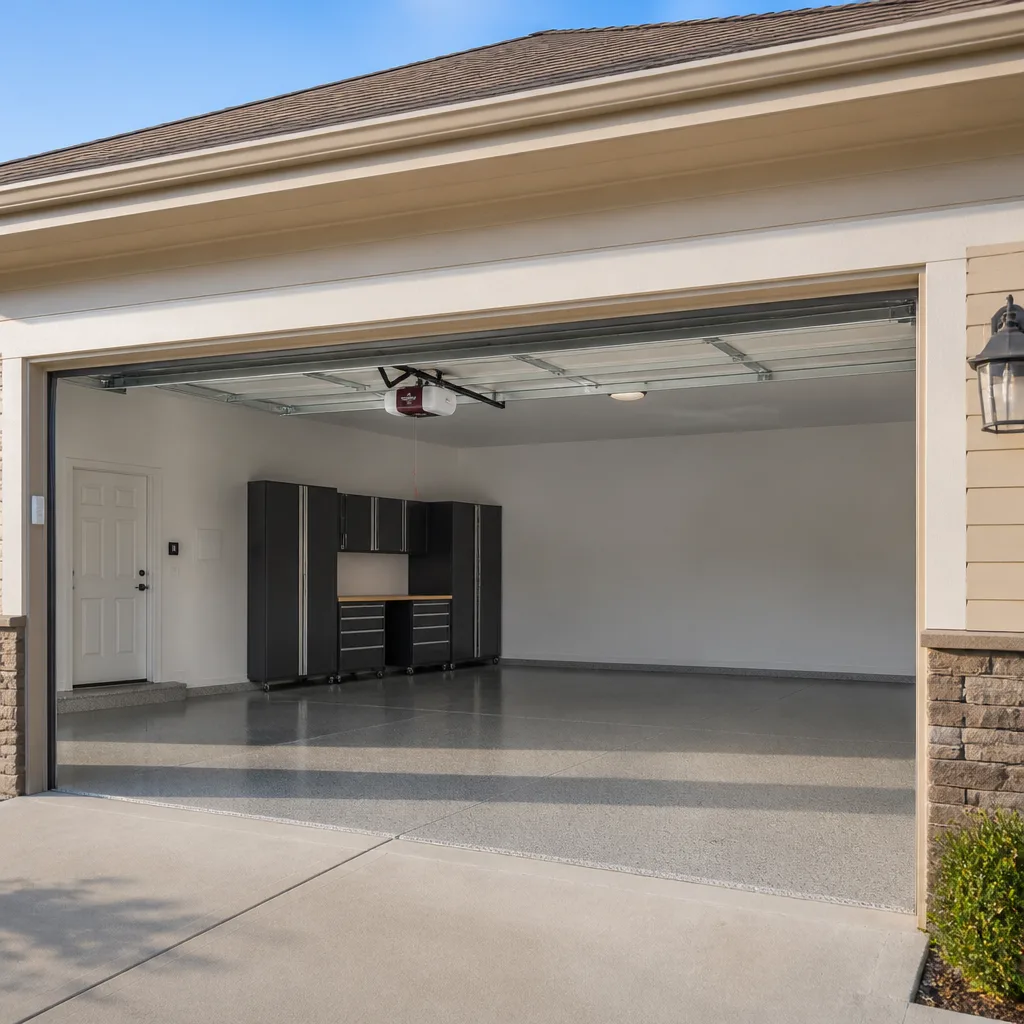 LiftMaster openers
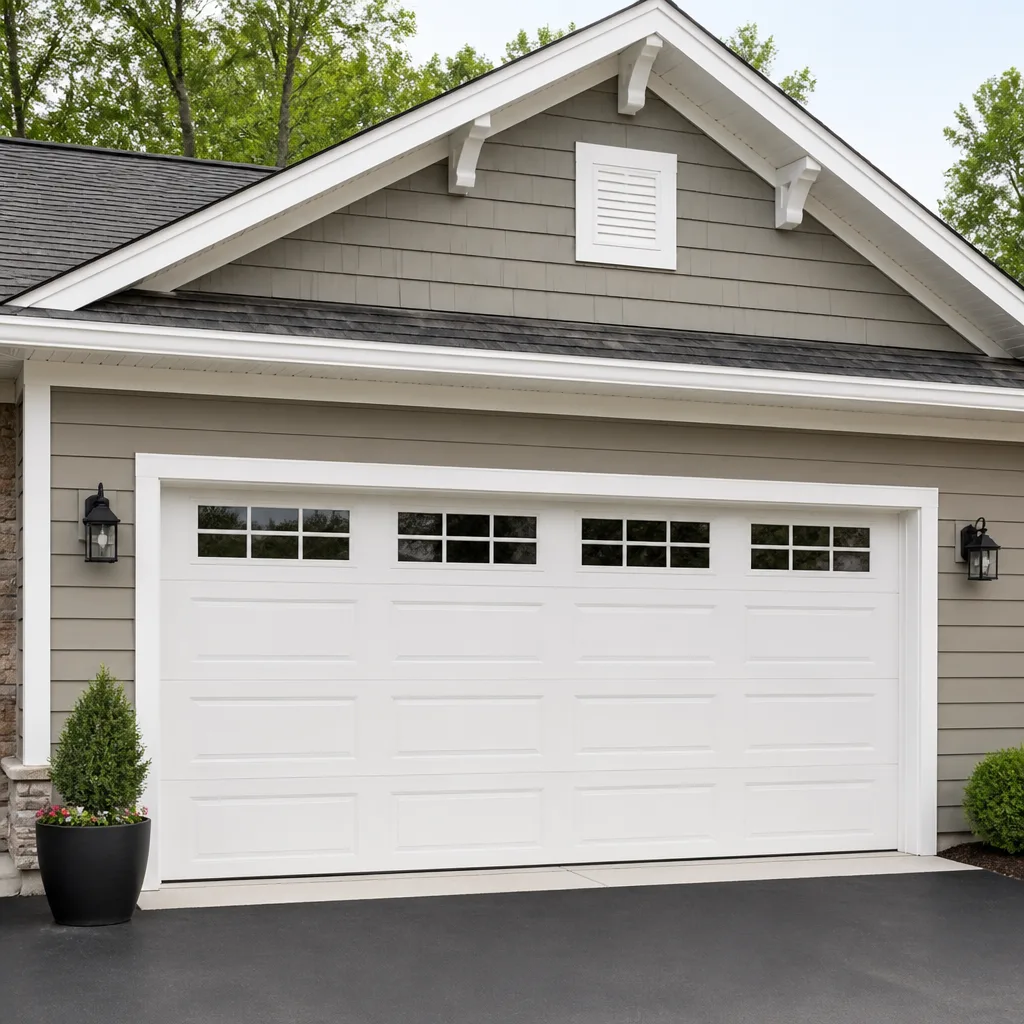 Chamberlain openers
Full 25-point door and opener safety check with every visit - springs, cables, rollers, tracks, and your LiftMaster or Chamberlain opener included
You get a price before we start. It does not change when the pro arrives.
Get your free estimateSeasonal Garage Door Care for Gresham: Year-Round Homeowner’s Guide
Garage door springs in the Pacific Northwest don’t fail randomly. In our experience they cluster in a predictable 90-day window from November through February, and once you understand why, you know exactly when to step in. The common mistake is to treat a garage door like an appliance that only needs attention when it breaks. In Gresham, the seasons push on it in a specific order: fall rain, a short hard freeze, a wet spring, then a dry summer that stresses the opener more than most homeowners realize. This guide maps the whole calendar to Gresham’s actual weather, so you can prevent the failures that fill repair calendars every winter instead of reacting to them.
Styles & brands we work with
- Raised-panel steel
- Carriage house
- Modern flush
- Full-view glass
- LiftMaster openers
- Chamberlain openers
Quick Answer
Seasonal garage door care in Gresham means working with the local failure calendar, not against it: seal the bottom weatherstrip before the fall rains, lubricate moving parts before the December and January freeze, check for rust and cable fray after the wet season ends, and ease the opener’s workload in summer heat. Most of these are visual checks and small maintenance tasks a homeowner can handle; springs, cables and opener internals belong with a trained technician. Do the four seasonal checkpoints and you’ll catch most problems before they turn into a broken door.
Table of Contents
- Why Gresham Has a Garage Door Failure Calendar
- Fall: Sealing Out Gresham’s Standing Water
- Winter: The Freeze-Thaw Window That Fatigues Springs
- Spring: Post-Rainy-Season Rust and Cable Checks
- Summer: Heat, Opener Duty Cycles and Gresham Heat Waves
- The Month-by-Month Task Calendar
- Gresham Neighborhood Variations That Change the Schedule
- Common Mistakes to Avoid
- When to Call a Professional
- Frequently Asked Questions
- The Bottom Line
Why Gresham Has a Garage Door Failure Calendar
Most garage door advice is written for a national average that doesn’t exist anywhere. A door in Minnesota snows in for four months; a door in Phoenix bakes all year. Gresham sits in a third category, and that category has its own problems. Winters are wet and mild with a narrow freeze window in December and January. Summers are dry and warm with occasional heat waves. Spring runs long and damp. That sequence is what shapes the wear pattern on every door in Gresham, and it’s why the same failure shows up in the same months year after year.
The mechanism is straightforward. Moisture is the dominant force from October through April. It finds the bottom seal first, then the tracks, then the hinges, then the cables. The freeze window in December and January is short but sharp: water that seeps into tight gaps, freezes, expands and thaws cycles the metal and the spring steel. Spring fatigue accelerates in that window. Then the dry summer arrives and the pressure shifts from the door to the opener, whose motor works harder in heat and pushes closer to its duty cycle than it would in a cooler climate.
That’s the whole cycle. A Gresham garage door has four distinct stress seasons, not one general wear rate, and each one leaves a different signature:
- Fall (October to November): Rain returns, and standing water at the door’s base becomes the primary damage mechanism.
- Winter (December to February): Freeze-thaw cycling fatigues springs and loosens hardware.
- Spring (March to May): Moisture damage that built up over months starts showing as rust and cable fray.
- Summer (June to September): Heat stresses the opener motor and the door’s balance.
Once you see the calendar, the maintenance work organizes itself. We’re a Sycamore Garage Door Repair team that works on doors and openers across Gresham, and the pattern holds whether we’re looking at a newer Clopay panel door or a Wayne Dalton that’s been through a dozen winters. The door is the same, the season is the same, and the failure mode is usually predictable.
Fall: Sealing Out Gresham’s Standing Water
Fall is the most important maintenance window of the year in Gresham, and the bottom weatherstrip is where it starts. In a climate with consistent snow, snow sits on the door and insulates the seal from the worst of the wet. Here it’s the opposite: rain lands, runs down the door face, and pools at the bottom edge where the seal meets the slab. Standing water is the damage mechanism, and a worn seal is what lets it into the door’s interior and into the tracks.
What to check before the rains settle in:
- Bottom seal contact. Close the door and look at the gap line from inside. Any daylight or visible gap means water can get under the seal.
- Seal flexibility. A rubber seal should flex when you press it. If it’s cracked, flattened or stiff, it won’t wipe the slab anymore.
- Threshold slope. Water should drain away from the door, not toward it. If the slab pools at the threshold, the seal is doing work it can’t do.
- Track and hinge moisture. Run a hand along the lower track. Any grit or early rust is a sign water has been sitting there.
- Door face paint and finish. For a steel Clopay or Amarr door, a chipped finish lets moisture into the steel, and the rust starts under the paint where you can’t see it.
- Opener safety reversal. Test the auto-reverse with a small obstacle at the threshold. The door should reverse on contact.
Replacing a bottom seal is a small job with an outsized payoff in this climate. The same logic applies to the weatherstripping around the door jamb, which most homeowners never think about until they feel a draft. This is doable yourself on a standard sectional door; if the door is older, uneven at the bottom, or the seal housing is bent, it’s easier to have a technician replace the whole assembly so the new seal actually sits flat against the slab. If a door is failing to close cleanly because the seal is catching, that’s a case for garage door repair rather than a bigger replacement.
Winter: The Freeze-Thaw Window That Fatigues Springs
Gresham’s freeze window is narrow, roughly December and January, but that short period does most of the year’s damage to torsion and extension springs. The reason is simple: water gets into the tightest gaps on the door hardware, then freezes and expands. Repeat that cycle across a few weeks and the metal fatigues faster than it would in a steady cold or a steady warm climate. If your door has been quiet all fall and starts making noise in January, that’s the freeze-thaw signature.
“Cold-temperature lubrication” gets thrown around a lot as advice, so let’s be specific about what it actually means in practice. In Gresham, the target isn’t a special cold-rated product; it’s a lubricant that stays put when the temperature dips and doesn’t turn gummy or attract grit. A few points that matter:
- Hinges and rollers need a small amount of a light, non-gumming lubricant at the pivot points. A heavy grease that thickens in cold will make the door sluggish and strain the opener.
- Torsion springs benefit from a light wipe of lubricant (not grease) to reduce friction between coils. This is a maintenance touch, not a repair; if a spring is broken or has lost tension, lubrication will not fix it.
- The opener rail and chain should be lubricated per the opener manufacturer’s guidance. A LiftMaster or Chamberlain chain drive wants a different touch than a belt drive, which is why brand knowledge matters here.
- Weatherstrip should NOT be lubricated. A common mistake is to spray silicone on the bottom seal. It can help briefly, but it also collects grit and destroys the wipe.
Winter is also the season to re-check door balance. Disconnect the opener (most have a manual release) and lift the door halfway by hand. It should stay put. If it drifts upward or downward, the springs have lost some tension and the opener is doing work it shouldn’t. That’s a call for a technician, not a homeowner task: torsion springs are under very high tension, and adjusting or unwinding them without the right tools and technique is how serious injuries happen. We’re a Gresham specialist that handles spring and opener checks on all eight of the major brands we cover, LiftMaster, Chamberlain, Genie, Clopay, Amarr, Wayne Dalton, Craftsman and Raynor. Our technicians have up to 12 years of experience.
Spring: Post-Rainy-Season Rust and Cable Checks
By the time the rainy season winds down, the damage has already happened and it’s about to show. Spring is the inspection season in Gresham: you’re looking for what months of moisture did while you weren’t watching. Two failure modes dominate, and both are easy to spot once you know what to look for.
Track rust
Run a hand along the length of both tracks, not just the visible front. Rust creeping up from the bottom edge is the classic Gresham pattern, because that’s where water sat all winter. A little surface rust can be cleaned and treated; pitting or flaking means the track is losing its smooth surface and the rollers will start to drag. If a roller catches on the way up or down, the track is telling you to do something about it.
Cable fray
Cables lift the door on both sides, and they’re the second most important safety component after the springs. Look at the cable drums at the top of the door and follow each cable down. You’re looking for broken strands (a fuzzy “beard” on the cable), kinks, or cable that’s come off the drum. Any of those is a “stop using the door” condition. A frayed cable can snap and release the door, and that’s a fall hazard. Don’t cycle the door until a technician has looked at it. This is a hard stop for homeowners; cable replacement is a job for trained hands.
Spring inspection is also part of this spring round. Torsion springs rarely break cleanly at first; they develop a visible gap in the coil or a slight sag. A spring that’s lost tension makes the door feel heavy, which puts extra load on the opener and wears both faster. If the door suddenly feels twice as heavy as it used to, the spring is the first place to look. That’s true for every brand we work on, whether it’s an older Wayne Dalton or a newer Clopay. Opener strain from a tired spring often masquerades as an opener failure, and a technician who knows how to diagnose the whole system will catch it before you spend money on a new motor you didn’t need.
Summer: Heat, Opener Duty Cycles and Gresham Heat Waves
Summer is when Gresham’s garage door problems move from the door to the opener. Dry, warm weather is easier on the steel, but heat is hard on the opener motor and its control board. Most residential openers are rated for a certain number of cycles per hour and per day, and that rating is set with a climate assumption. A Gresham heat wave pushes the motor past that comfort zone faster than homeowners expect, especially on a south- or west-facing garage that absorbs direct sun all afternoon.
What “duty cycle” means in practice: every time the door goes up or down counts as a cycle, and the opener motor has a thermal limit. Run it repeatedly (moving boxes, a busy day of in-and-out) and the motor heats up. When it hits its limit, a thermal cutout trips and the opener stops responding for a while. That’s not usually a dead opener; it’s the opener telling you to let it cool. If yours shuts down on hot afternoons and works fine the next morning, duty cycle is the leading suspect.
Summer checklist:
- Listen to the opener. Grinding, clicking or a strained hum under load is a warning, not a personality quirk.
- Test the safety reversal and photo-eye. Dust and pollen can cloud the photo-eye lens; wipe it clean and re-test.
- Check the door’s balance by hand (opener disconnected) as the season warms. If the door is drifting, the opener is working harder than it should in the heat.
- Clear the vents. Most openers have ventilation slots. If yours is boxed in by stored items, give it some airflow.
- Look for opener brand-specific signs. A Craftsman or Genie opener with a blinking error code is telling you something specific; a technician who knows that system reads the code rather than guessing.
If the opener does fail completely in summer heat, decide between repair and replacement based on the unit’s age and the underlying door condition, not just the motor. That’s exactly the conversation we have with homeowners when a summer failure lands: is the door sound, or is the opener being asked to fix a door that needs spring or track work first? garage door opener repair is often the right call; a replacement is sometimes better. We’ll diagnose and tell you which, without pushing a new motor onto a door that doesn’t need one.
The Month-by-Month Task Calendar
Here’s the full year mapped to Gresham’s actual seasonal pattern, not a national template. Each month has one or two specific things to check or do, and most homeowner tasks take minutes.
- October: Inspect and replace the bottom weatherstrip before rain arrives. Test the safety reversal. Check track brackets for tightness.
- November: Lubricate hinges, rollers and the opener rail. Clear gutters and drainage so water doesn’t run toward the garage. Re-seal any chipped paint on the door’s lower panels.
- December: First freeze watch. Listen for new noises on opening; the freeze-thaw cycling starts here. Balance-test the door by hand.
- January: Second freeze watch. Check the balance again and inspect spring coils for gaps or sag. If the door has suddenly gotten heavy, call for a spring inspection.
- February: Look for water intrusion at the base from freeze-thaw shifting. Clear debris from the tracks and test the opener under load once the weather moderates.
- March: Spring inspection begins. Look for rust on both tracks and check the whole path of both lift cables for fray or kinks.
- April: Re-lubricate hinges and rollers (the winter cycle may have washed the prior coat off). Check the photo-eye alignment with the door traveling slowly.
- May: Final wet-season inspection: spring coil gaps, cable fray, and a full door-balance test. Fix anything that’s lingered from winter.
- June: Summer prep for the opener. Clean the photo-eye lens and re-test the reversal. Check the opener’s airflow and ventilation.
- July: Heat awareness. Watch for thermal cutout on hot afternoons. Keep the door balanced so the motor isn’t fighting it.
- August: Re-test the reversal and listen for opener noise. If your area has seen a heat wave, expect the opener to be at its most stressed here.
- September: Pre-season reset. Re-check the bottom seal, the tracks and the cables before the fall rains arrive and the cycle begins again.
A folder with these dates on the fridge is a much lighter task list than the repair calls it replaces. If you only do three of these, do the October seal check, the January balance test and the May cable inspection. Those three catch the majority of Gresham failures at the preventive stage.
Gresham Neighborhood Variations That Change the Schedule
Gresham is one city, but the way the seasons hit a garage door varies by neighborhood. The eastern edge, toward the hills and the tree-covered parts of town, sees more shade, more moss on concrete paths and more moisture held in the ground; homes in those areas often need the bottom-seal check a couple of weeks earlier, and the track-rust inspection a few weeks later, because water lingers on shaded concrete. Central Gresham, closer to the historic downtown core, has more mature street trees and more leaf litter in gutters and on the door itself, so clearing the drainage around the garage is a bigger fall task there. Newer subdivisions out toward the edges of town tend to have west- and south-facing garages exposed to afternoon sun, which puts more heat load on the opener in summer and makes the June and July checks matter more.
Rockwood and the older established neighborhoods are where we see more original or older doors, often a Wayne Dalton or an early Clopay panel door with an opener that’s seen a lot of cycles. Those doors benefit from tighter inspection intervals and more attention to the balance test, because both the springs and the opener are wearing together. That’s why the brand-agnostic approach matters in a city like Gresham: the door on any given block could be a newer contractor-grade install or a consumer-grade unit that’s been in place through many winters. We work on what you have, whether that’s a Clopay panel door with a LiftMaster opener or an older Amarr with a Craftsman motor.
The other Gresham variable is exposure to wind. Our winter wind events drive rain sideways into the door face, which is another reason the weatherstrip around the jamb and the bottom edge matters more than the seal check alone. If your garage door faces the direction of our prevailing winter storms, add an early November check of the weatherstripping to the calendar.
Common Mistakes to Avoid
- Lubricating the bottom seal. Silicone spray on the weatherstrip attracts grit and wears the seal faster. Lubricate the moving hardware, not the seal.
- Using heavy grease in winter. A thick grease that firms up in cold will strain the opener and make the door slow. Use a light, non-gumming lubricant.
- Ignoring a new noise in January. A door that starts to squeak or groan in the freeze window is telling you the hardware is cycling. It gets worse, not better.
- Spraying silicone on a sticking roller and calling it done. Sticking is usually a track or roller issue, not a lubrication issue. Silicone is a stopgap at best.
- Running a door with a visibly frayed cable. A frayed cable can snap and let the door drop. Stop cycling it and have it inspected.
- Adjusting a torsion spring as a DIY repair. Torsion springs are under very high tension. Adjustment or replacement needs the right tools and a trained technician.
- Blaming the opener for a heavy door. If the door is unbalanced, the opener works harder and dies sooner. Fix the balance first, and the opener lasts longer.
- Running the opener through the summer without a peek at the photo-eye. Dust, pollen and leaf litter cloud the lens and trip the safety reversal. Two minutes with a cloth prevents a stuck door.
When to Call a Professional
Some seasonal checks are homeowner work; others aren’t. Call a professional for anything involving the torsion spring, the lift cables or the opener’s internal controls. That includes a broken spring, a door that has suddenly become heavy, a frayed or kinked cable, a track that has bent or come loose from the wall, and an opener that trips its thermal cutout repeatedly or throws a persistent error code. A door that won’t reverse on contact or a photo-eye that won’t re-align after cleaning is also a call. Diagnosing these yourself risks injury on the spring and cable side, and risks buying the wrong part on the opener side.
Sycamore Garage Door Repair offers free estimates in Gresham. We work on all three sides of the job (repair, opener repair and installation) across the eight brands we cover, so nothing gets handed off to a third party. Call (866) 890-0843. We answer 24/7. Fast dispatch from 7am to 7pm, Sunday through Friday.
Frequently Asked Questions
Replacing or re-sealing the bottom weatherstrip before the fall rains. Standing water at the door’s base is the primary damage mechanism in Gresham’s wet, mild winters, and the seal is the only thing keeping that water out of the door and the tracks. Inspect it in October and replace anything cracked, stiff or gapped. Call (866) 890-0843 for a free estimate if you’d rather have a technician check it.
Yes, in our experience they cluster heavily in the November-to-February window because the freeze-thaw cycling in Gresham’s December and January cold snaps fatigues the spring steel quickly. Spring fatigue isn’t a random event; it accelerates when metal cycles through expansion and contraction repeatedly. If your door gets noticeably heavier in January, get the spring checked. Call (866) 890-0843 for an exact quote (estimates are free).
Disconnect the opener and lift the door by hand. If it stays put halfway up, the door is balanced and the opener is likely the problem. If it drifts or feels heavy, the door itself is the issue (usually the spring), and the opener is just being strained. A technician will diagnose both sides together. Call (866) 890-0843 to book a visit.
Sometimes, yes. If your opener is already showing thermal cutout behavior, tripping error codes or straining under load, summer heat will make it worse. That said, a repair is often the right call if the unit is otherwise sound and the door is balanced. The decision should follow a real diagnosis, not a guess. Call (866) 890-0843 for a free estimate.
Yes, for the visual checks and light lubrication. Hinges, rollers, bottom weatherstrip, photo-eye cleaning and balance tests are all homeowner-friendly. Springs, cables and opener internals are not: the spring and cable are under high tension and the opener has electrical components. Stop at the line and call a trained technician for those. Call (866) 890-0843 if you’re unsure which side of the line you’re on.
Call us anyway. We answer 24/7, and a call outside dispatch hours is booked into the next opening, Sunday through Friday, 7am to 7pm. We are closed Saturdays, and we do schedule Sunday calls. (866) 890-0843.
The Bottom Line
Gresham’s garage door problems follow a predictable yearly pattern, and the whole point of seasonal care is to get ahead of it. Seal the bottom weatherstrip before the fall rains, lubricate the hardware and balance-test the door before the December and January freeze, inspect tracks and cables once the wet season ends, and keep an eye on the opener through the summer heat. Those four checkpoints catch the majority of failures while they’re still cheap to fix. Where the calendar is homeowner work (seals, tracks, lubrication, photo-eye) do it yourself. Where it’s spring, cable or opener internals, call a trained technician. Sycamore Garage Door Repair works on what you have across LiftMaster, Chamberlain, Genie, Clopay, Amarr, Wayne Dalton, Craftsman and Raynor. Garage doors are all we do.
Call (866) 890-0843 for a free estimate. We answer 24/7. Fast dispatch from 7am to 7pm, Sunday through Friday. Closed Saturdays.
Written by the team at Sycamore Garage Door Repair.
See the difference
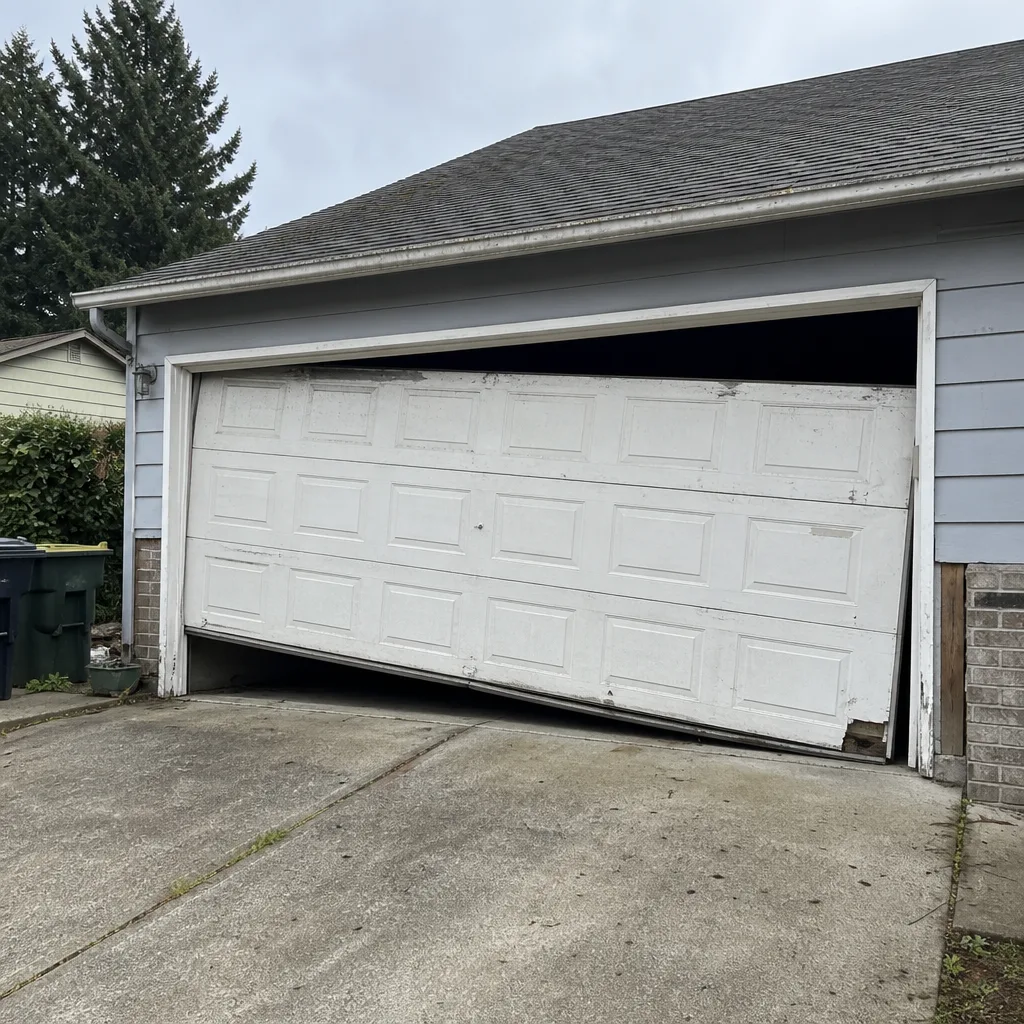 Before
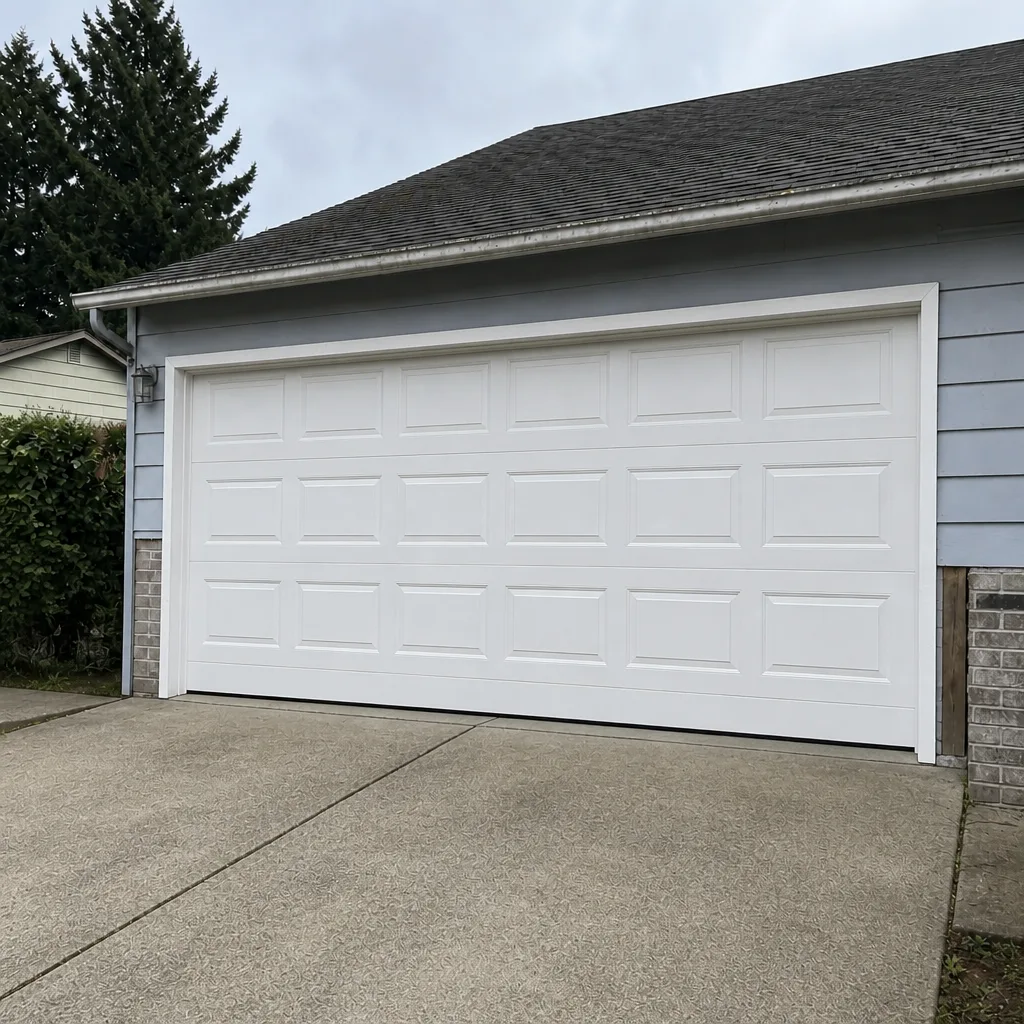 After
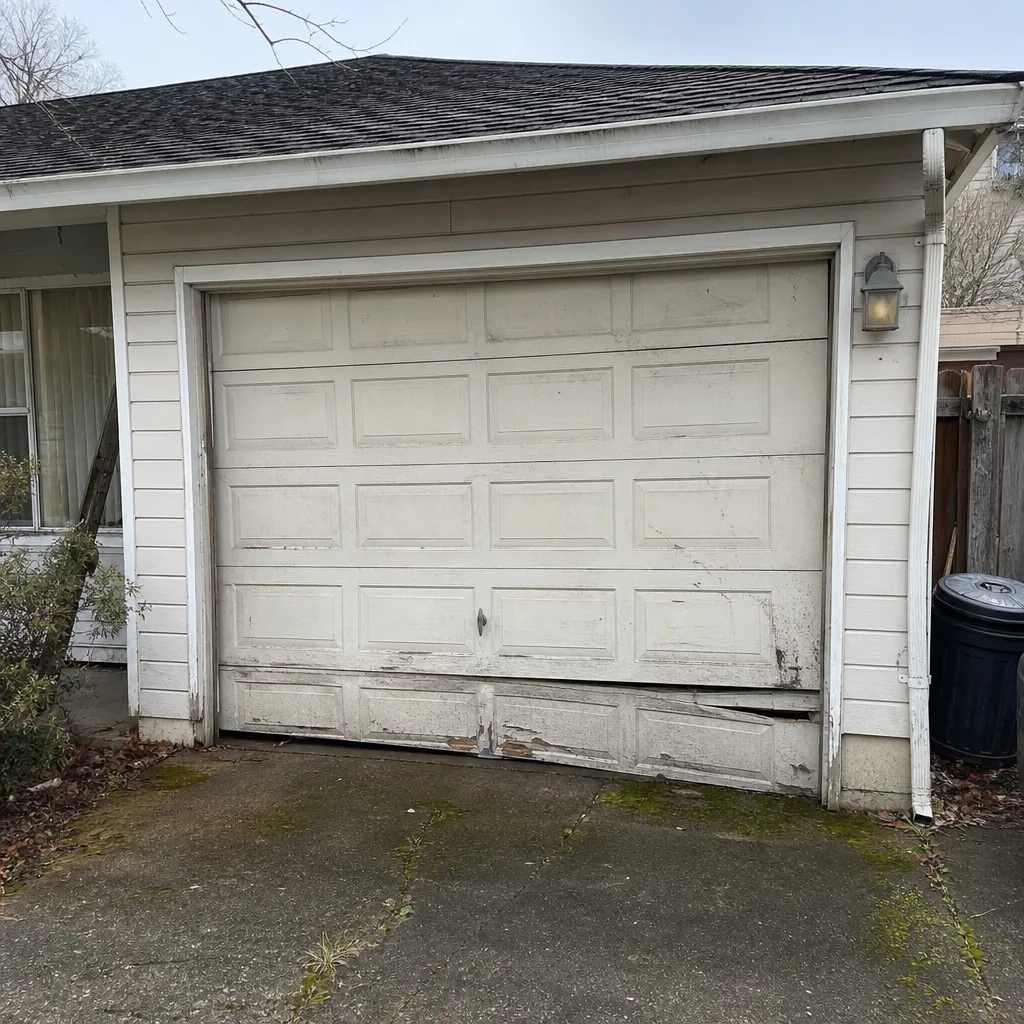 Before
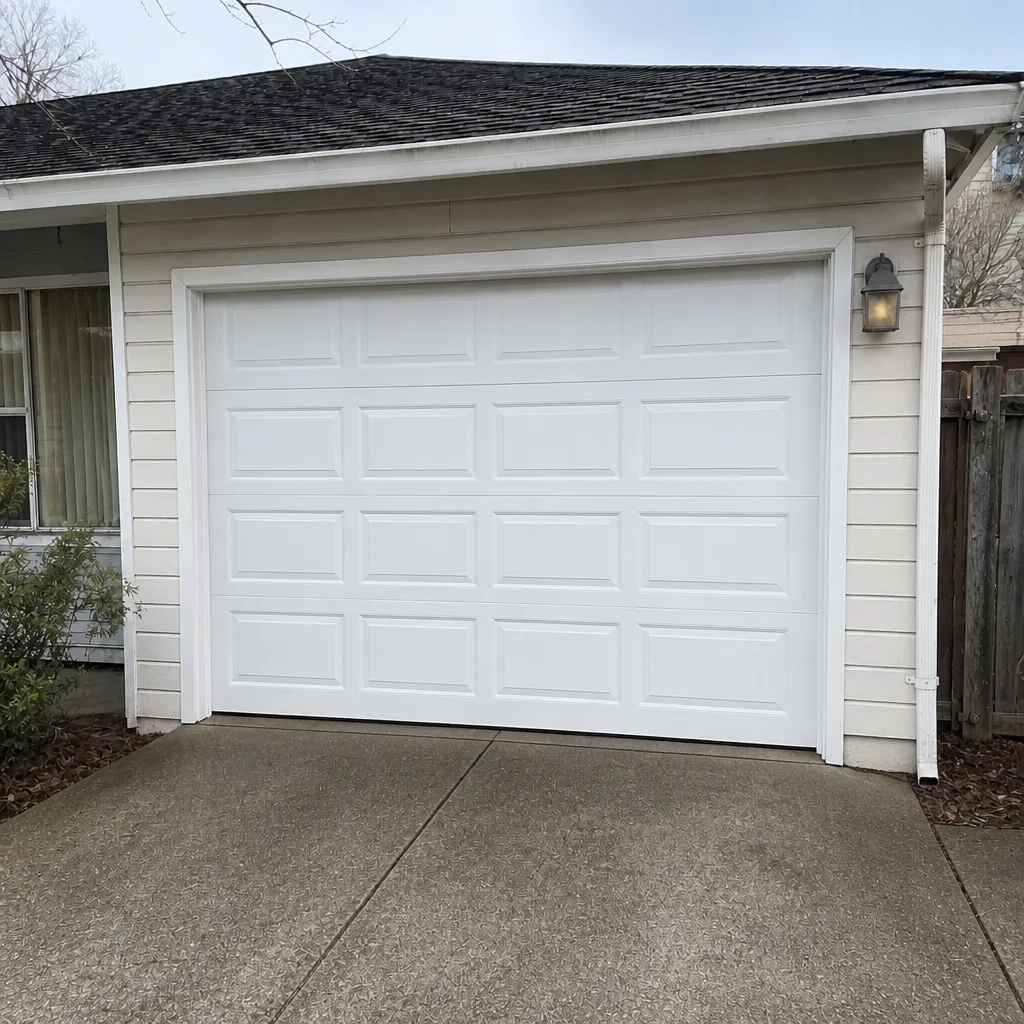 After
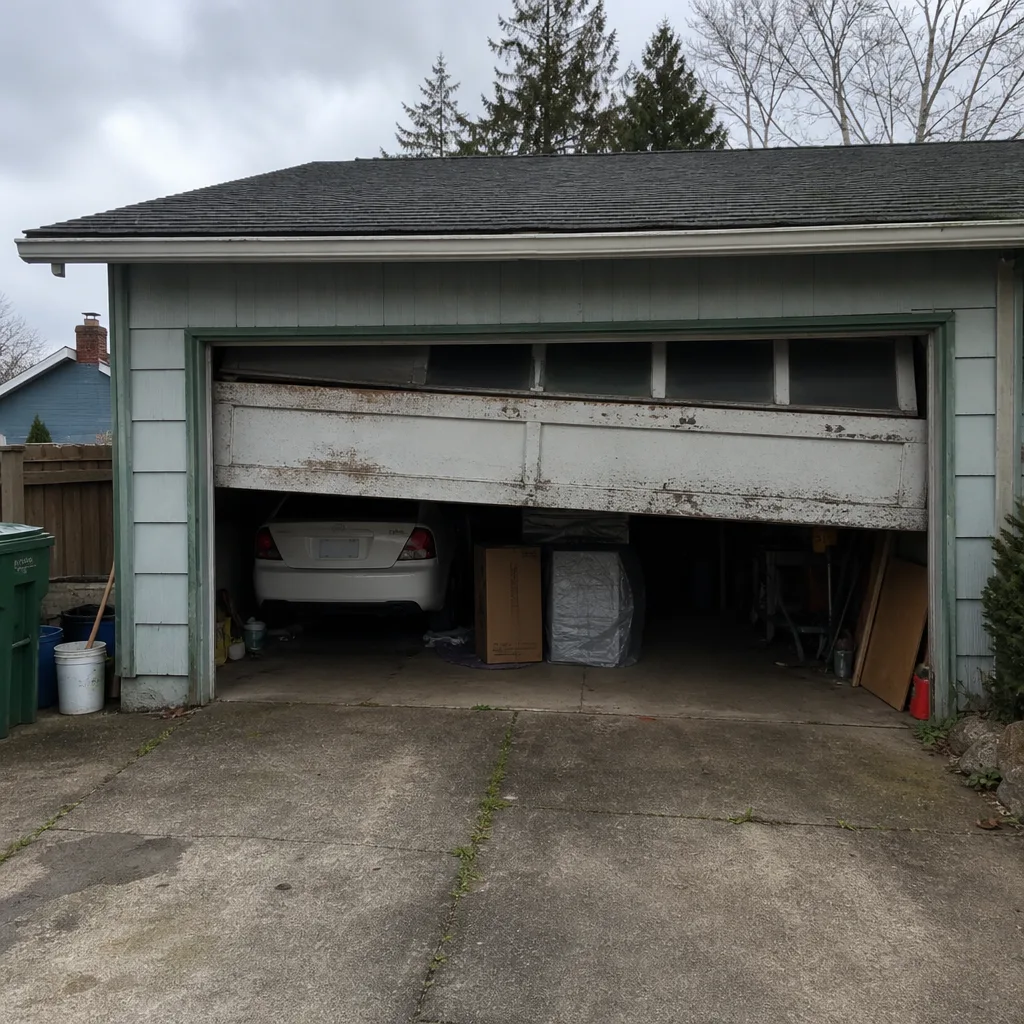 Before
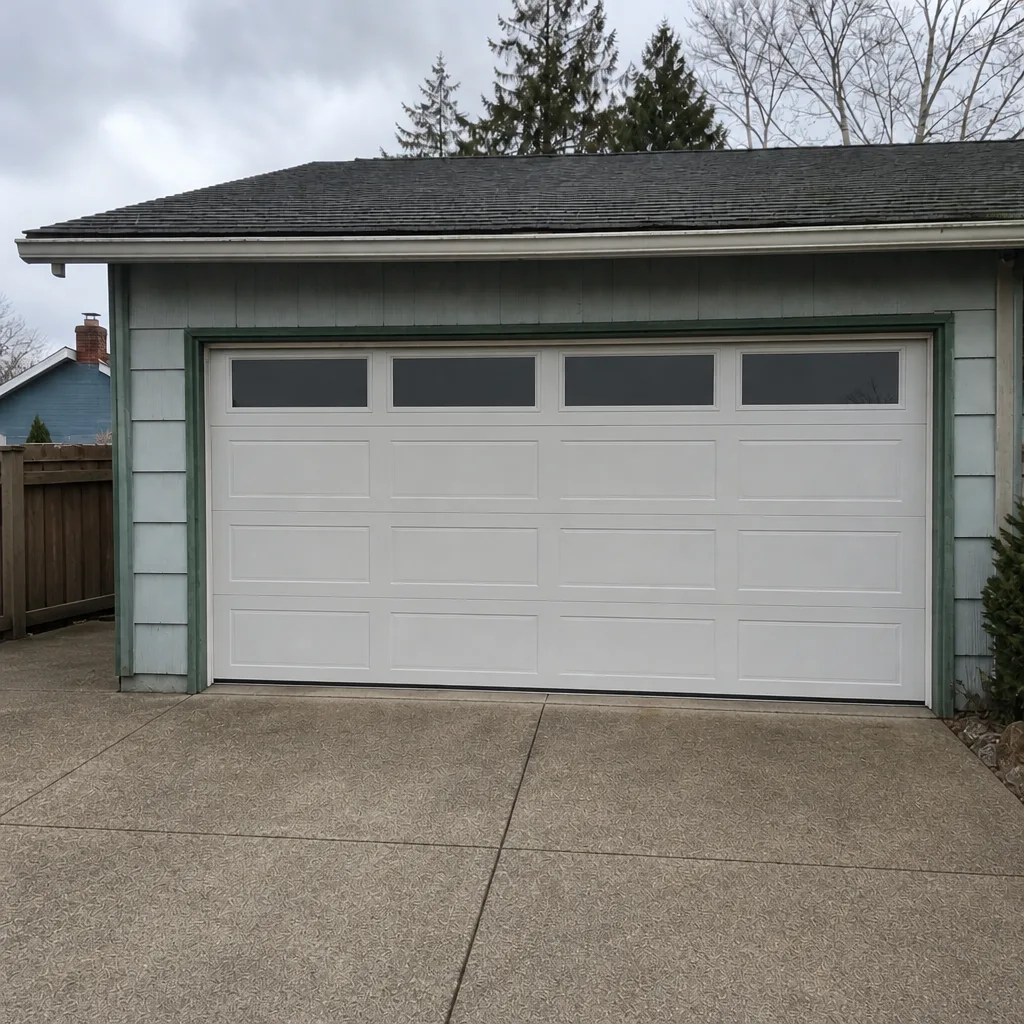 After