
Last updated November 16, 2026
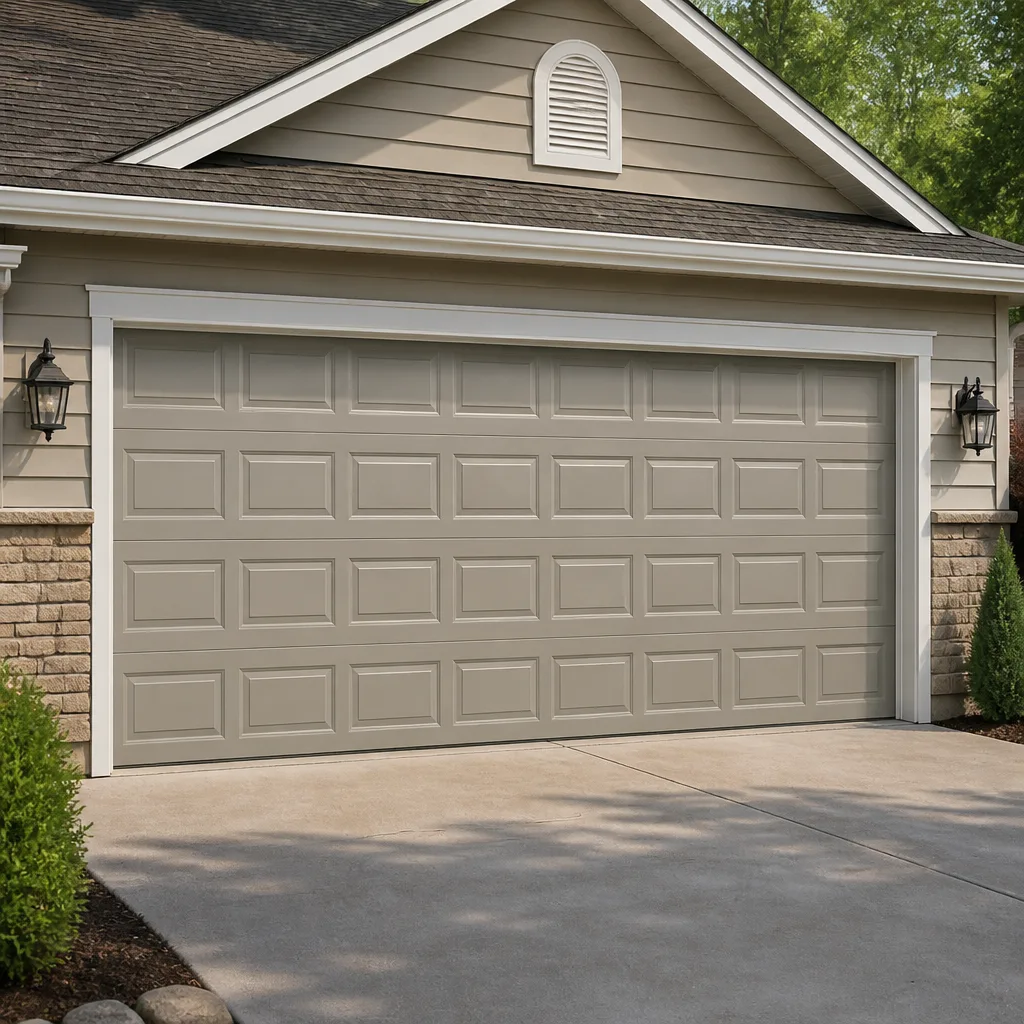 Raised-panel steel
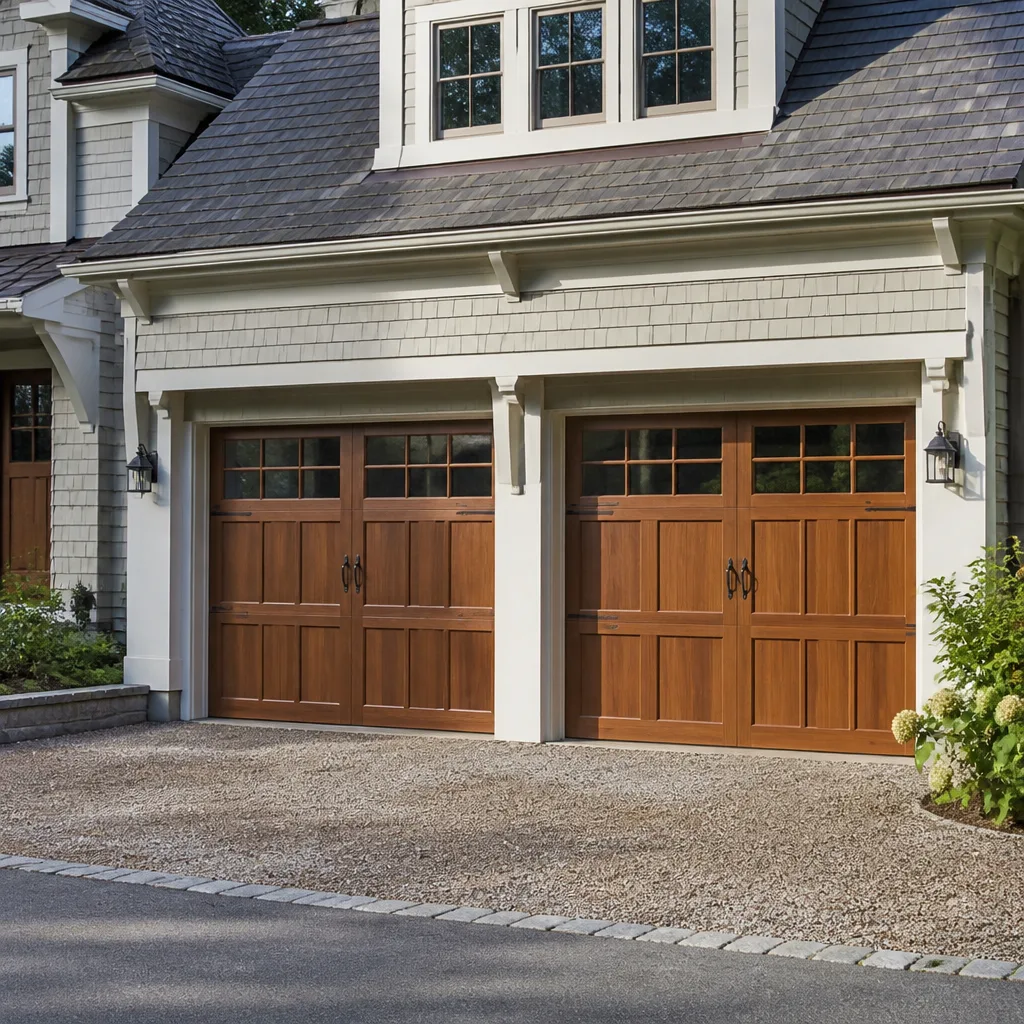 Carriage house
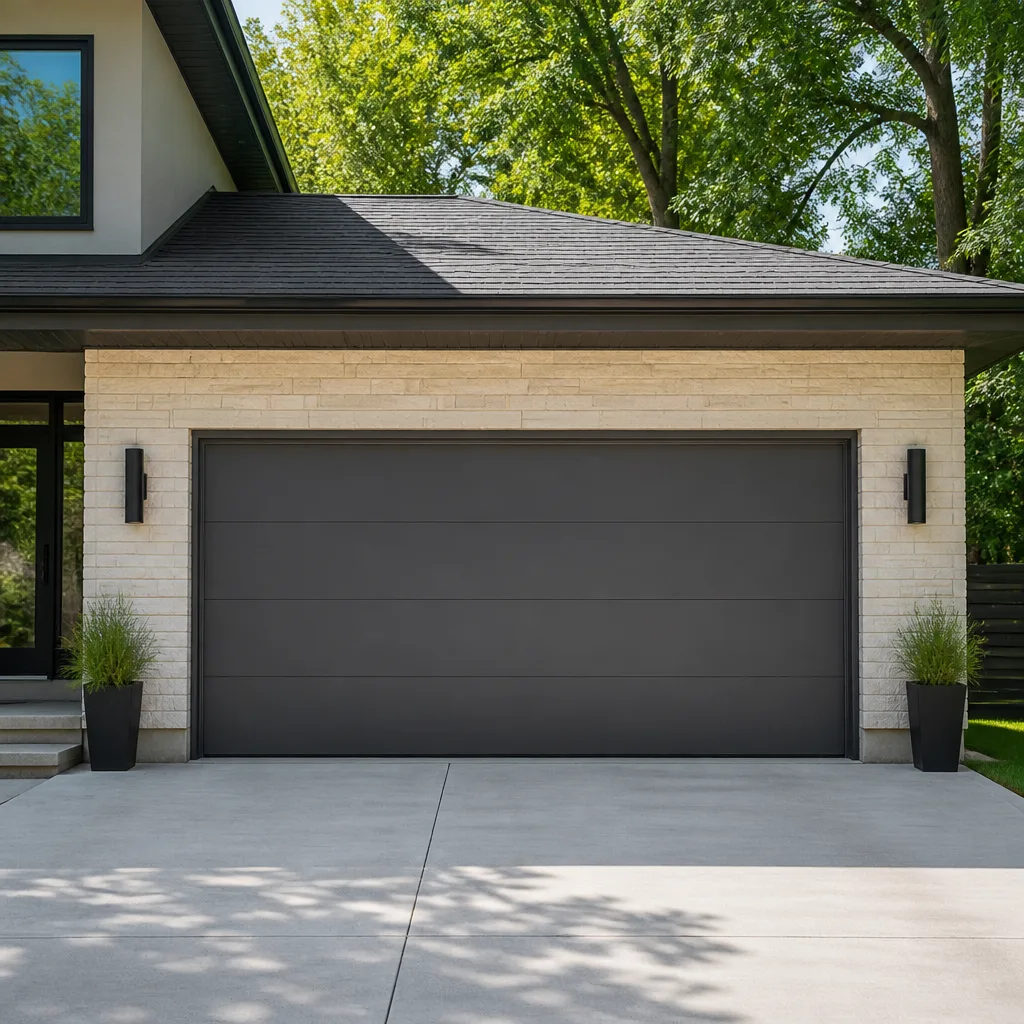 Modern flush
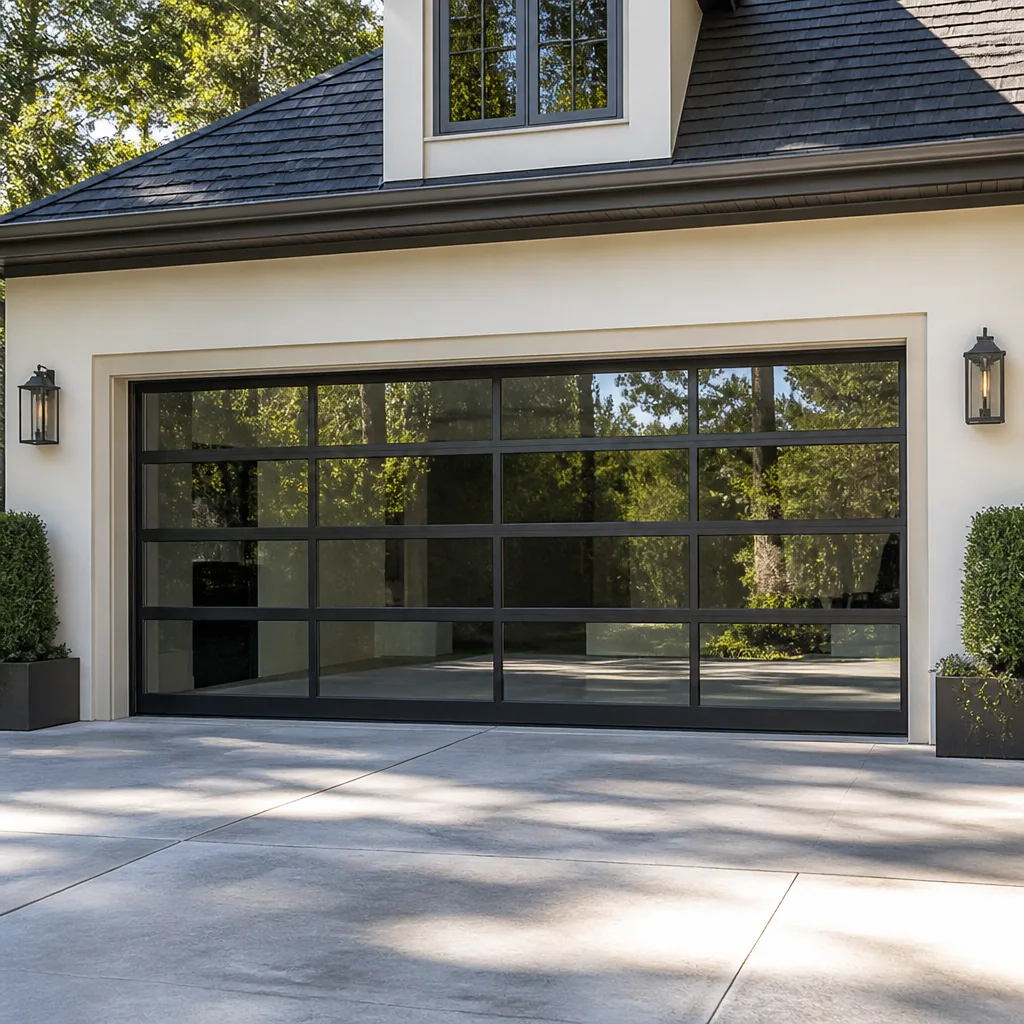 Full-view glass
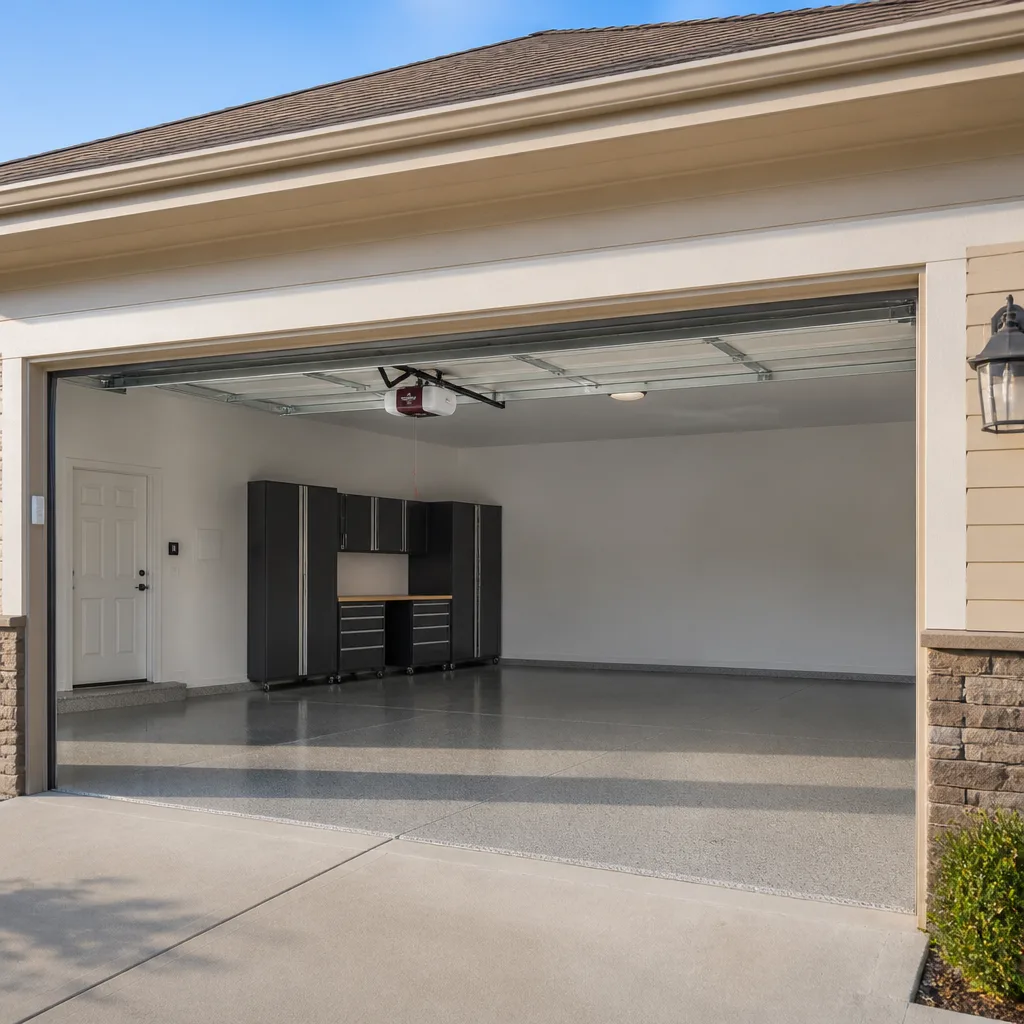 LiftMaster openers
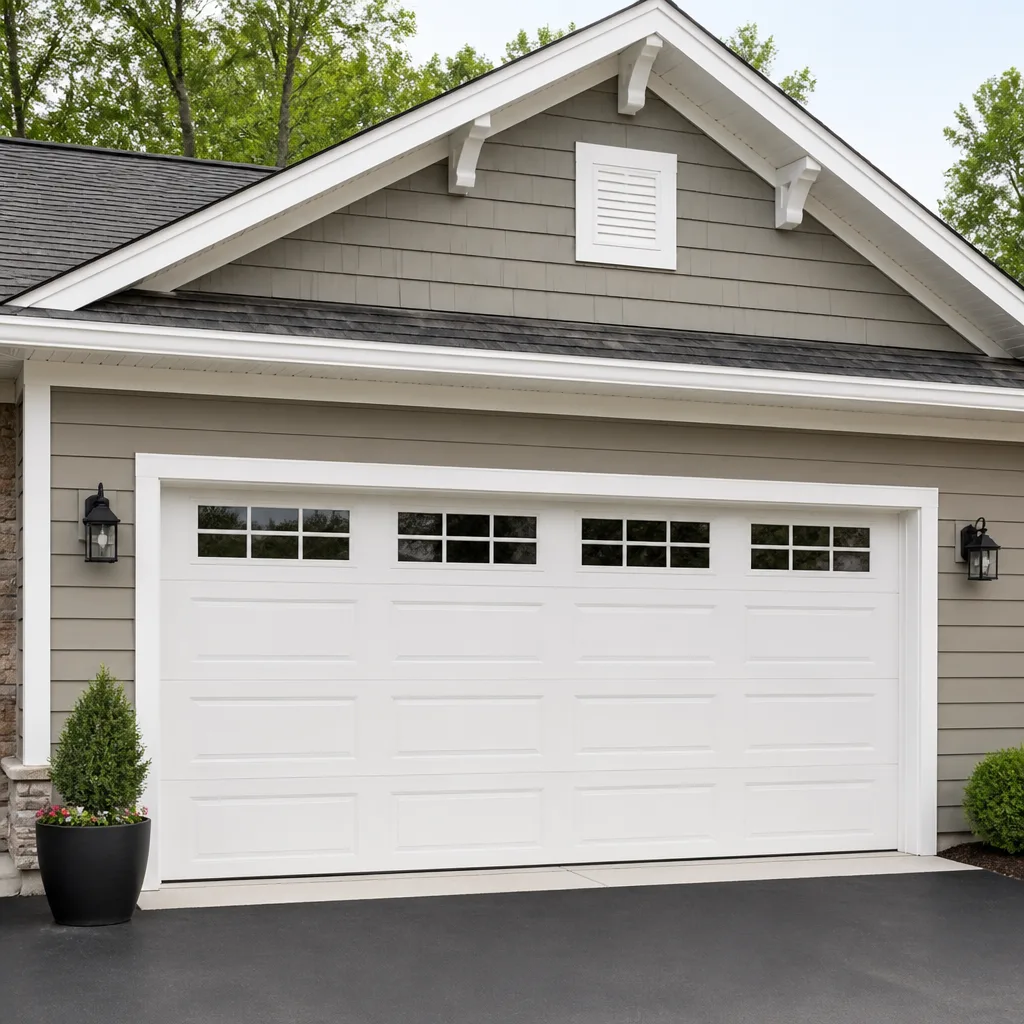 Chamberlain openers
Full 25-point door and opener safety check with every visit - springs, cables, rollers, tracks, and your LiftMaster or Chamberlain opener included
You get a price before we start. It does not change when the pro arrives.
Get your free estimateThe Complete Guide to Garage Doors in Gresham
The average Gresham homeowner will interact with their garage door over 1,500 times a year and know almost nothing about how it actually works – until it stops working at 7 a.m. on a Tuesday. That number isn’t a scare tactic. It’s just what four or more open-and-close cycles a day adds up to over a year, every one of them flexing springs, stretching cables, and pushing an opener motor through a load it was never rated to carry forever.
Here’s the part most guides get wrong: they treat the door and the opener as two separate machines with two separate lifespans. In Gresham’s wet, swingy climate, they wear out together, and understanding how they interact is what separates a modest repair from a full replacement you didn’t need. This guide walks through the whole system – springs, cables, seals, panels, openers, and the math behind repair versus replace – so you can make a call that’s actually informed.
Quick Answer
Most garage door problems in Gresham come down to worn springs, frayed cables, or a failing bottom seal, and the door and opener should always be diagnosed as one system, not two. A single spring swap is often a modest repair, while a misdiagnosed opener on a heavy door regularly turns a small fix into an unnecessary full replacement. If you want the short version: identify which component is actually failing before you accept any quote that jumps straight to replacement.
Styles & brands we work with
- Raised-panel steel
- Carriage house
- Modern flush
- Full-view glass
- LiftMaster openers
- Chamberlain openers
Table of Contents
- How Gresham’s climate wears out garage doors
- Why the door and opener must be matched mechanically
- Sectional, roll-up, and carriage doors: what fits a Gresham home
- What brand-agnostic service actually means
- The five components that decide repair or replace
- What garage door work typically costs in Gresham
- Common mistakes to avoid
- When to call a professional
How Gresham’s climate wears out garage doors
Gresham sits in the Willamette Valley’s wet belt, and that has a direct effect on garage door hardware. Unlike dry climates where a torsion spring might rust out slowly or barely at all, the Pacific Northwest’s damp winters and humid summers put steel springs and cable strands through repeated wetting and drying. Moisture collects on a bare-metal spring, flash-rusts the surface, then the next dry spell lets it sit. Over seasons, that cycle weakens the steel. It’s why springs fail here sooner than the same spring in Bend or Phoenix – not because of cold alone, but because of constant humidity cycling.
Freeze-thaw matters too. Gresham gets cold snaps where overnight temperatures dip below freezing and then bounce back into the 40s by afternoon. That repeated expansion and contraction works on three things in particular:
- Torsion springs. The constant humidity-then-dry loop on steel is the main driver of premature fatigue. A torsion spring that would last longer in a dry climate wears faster here.
- Cables. Steel cable is woven from individual strands. When moisture works into the weave, strands corrode from inside and the cable loses tensile strength without any visible warning on the outside.
- Bottom seals. Rubber and vinyl seals crack and harden faster in a climate with wide humidity swings. A cracked seal lets water wick under the door and into the garage, where it sets up rust on the bottom section and the track.
The practical takeaway: in Gresham, inspect springs for rust and cables for fraying more often than you would in a drier region, and check the bottom seal at the start of every wet season. A five-minute look at the underside of the door tells you a lot. The Gresham climate rewards homeowners who catch these early.
Why the door and opener must be matched mechanically
This is the single most overlooked failure point in residential garage doors, and it causes a lot of unnecessary replacement quotes. An opener’s horsepower is rated to lift a specific door weight. A lightweight hollow steel sectional door might weigh well under 200 pounds. A heavy solid-wood carriage door can run two or three times that. Put a 1/2 HP opener on a heavy wood door and you’ve created a mismatch that shows up as three distinct symptoms: the opener strains and overheats, the door lurches and reverses before it’s fully up, and the opener motor wears out years before its time.
The problem is that a big-box installer who’s paid to move product may not check door weight against opener rating. They install what’s on the shelf, and the homeowner inherits a slow-burning mechanical problem. When the opener finally gives out, the immediate conclusion is “the opener’s shot, need a new one” – but the real issue was the mismatch from day one.
Two more interactions between door and opener catch people off guard:
- A weak spring makes the opener do spring work. The springs are supposed to carry most of the door’s weight, with the opener only providing the push to raise and lower it. When springs weaken, the opener suddenly has to lift far more of the load. It runs hot, the motor labors, and eventually the logic board or the gear fails. A homeowner replaces the opener, the weak spring is still there, and the new opener fails faster than the old one did.
- A far-from-level door fights the opener. If one side of the door is out of square or a track is bent, the door binds on one side and the opener has to force it through. That’s how gears strip and how the safety reverse sensor gets confused.
This is exactly why we diagnose the door and the opener under one service call rather than handing each problem to a different technician. When it’s a LiftMaster opener straining against a heavy door, or a Genie unit on a door with a snapped spring, the fix is rarely just the opener.
Sectional, roll-up, and carriage doors: what fits a Gresham home
Gresham’s housing stock runs the gamut – mid-century ranch homes, newer tract builds in the eastern neighborhoods, and plenty of older homes with tight single-car garages. The door style that makes practical sense depends on the space above the door, the driveway width, and just as importantly, how much weather you want kept out.
Sectional doors
The most common style in Gresham and most of the country. Four or five horizontal panels ride in tracks that curve up under the ceiling. Sectional doors seal well at the sides and bottom, which matters in wet weather, and they insulate reasonably when you choose a model with a foam core. Clopay is one of the major names in sectional doors for good reason: they’re widely available and parts are easy to source. If your garage has standard headroom and you want a good weather seal, a well-built sectional is hard to beat.
Roll-up doors
Roll-up (or roll-up/coiling) doors need the least headroom because the panels coil into a compact drum above the opening rather than running back along the ceiling. That’s a real advantage in a low-clearance garage or one where ceiling-mounted storage or a lift eats up the overhead space. Roll-ups tend to be a bit lighter and simpler, though they’re often less insulated. If your home has a tight single-bay garage with a low ceiling, a roll-up solves a problem a sectional can’t.
Carriage-style doors
Carriage doors mimic the look of old swing-out carriage doors but most are actually sectional doors styled with overlays, crossbucks, and decorative hardware. They’re popular in Gresham’s older neighborhoods where homeowners want the front of the house to match its character. They’re heavier than plain sectional doors, which brings us right back to the opener-matching point: a carriage door’s added weight needs an opener rated to lift it. Choosing style before checking weight and clearances is how people end up with a beautiful door and a struggling opener.
Which one makes practical sense? For most Gresham homes with standard headroom and driveway depth, a well-sealed sectional is the straightforward answer. Carriage styling works when you want it and you get the opener sized right. Roll-up earns its place in low-clearance situations. The style should follow the space, not the other way around.
What brand-agnostic service actually means
Brand-agnostic means we work on what you have, not just what we sell. In practice, that’s a meaningful distinction. An installer who’s paid to push a particular line has an incentive to steer you toward that line. A brand-agnostic shop diagnoses the actual system in front of it and fixes what’s broken.
The residential market splits into two broad camps, and a good service should handle both:
- Opener brands – LiftMaster, Chamberlain, Genie, and Craftsman make up the bulk of residential openers in the region. They differ in how they handle safety sensors, how their limits and force settings are adjusted, and how their logic boards fail. A technician who knows the differences diagnoses by the actual system rather than running a generic checklist.
- Door brands – Clopay, Amarr, Wayne Dalton, and Raynor cover most contractor-grade and consumer-grade doors. Panel profiles, spring sizes, and track hardware vary by brand, and knowing what’s actually on your door matters when it comes to sourcing the right parts.
Here’s the honest version of why this matters: a technician who only works on one brand tends to find that brand’s problem everywhere. We’ve seen doors quoted for replacement when the real issue was a Chamberlain opener whose safety sensor had drifted, or a Clopay panel that just needed an adjustment. Brand-agnostic service means the diagnosis follows the evidence, not a catalog. Garage doors are all we do, which keeps diagnostic accuracy sharp – we’re not splitting attention across twenty unrelated trades.
The five components that decide repair or replace
Most homeowners approach this with a gut feeling. The better approach is to know which components actually drive the decision, because some failures are cheap to fix and others are a signal to step back and look at the whole door. Here are the five that matter most.
- Springs. Torsion or extension springs carry the door’s weight and take the most wear of any part. A spring replacement on an otherwise healthy door is almost always worth doing. It’s a routine repair, not a sign the door is finished.
- Cables. Cables are what the springs act on, and a frayed or snapped cable is serious – it can let the door drop out of control. Cable replacement is routine, but if the cables are corroded through because the door has never been maintained, it’s worth checking the rest of the hardware too.
- Panels and sections. A single dented or rusted-out bottom panel can often be replaced on its own. If the bottom section has rusted through and the track is bent, though, the labor of matching and swapping multiple sections can push you toward replacement math.
- Opener. A failing opener on a sound door is a fixable electronic problem – reprogram, replace a sensor, swap a logic board. A failing opener on a heavy, poorly balanced door means the opener was undersized to begin with, and replacement means selecting one that’s actually rated for the door’s weight.
- Tracks and hardware. Bent tracks, worn rollers, and loose hinges are all repairable individually. But if the tracks are out of square and the door never sits flush, you’re looking at enough adjustment and parts that a replacement starts to make more sense.
The rule of thumb: repair when the failure is isolated to one or two components on a door that’s otherwise structurally sound and correctly balanced. Replace when multiple major components are failing at once, panels are rusted or seriously damaged, or the door was never balanced for its opener in the first place. The real trap is fixing one thing at a time over several years and paying more in total than a replacement would have cost.
What garage door work typically costs in Gresham
Garage door pricing in the Gresham area depends on the failure, the parts, and the door’s condition. These figures are typical estimates for the Portland-metro market, not quotes – the written estimate always sets the final price, and it’s agreed before any work starts. We’re not going to tell you a number and then surprise you on the invoice.
| Job | Typical estimated range |
|---|---|
| Single torsion spring replacement | $180 – $340 per spring |
| Matched spring pair (usually replaced together) | About twice a single spring |
| Cable replacement | $150 – $320 |
| Bottom seal replacement | $90 – $220 |
| Opener repair (sensor, board, limits) | $150 – $400 |
| Opener replacement | $300 – $700 |
| Full door replacement | Varies by size, style, and insulation |
Two things worth knowing about the spring line. First, springs are usually replaced in matched pairs because a pair wears at the same rate – replacing just one leaves you back in the same spot when the other fails. Second, these ranges are for one spring; a pair costs about twice a single spring. When we quote a repair, we tell you which springs need replacing and why, and you decide.
Full door replacement is where numbers vary the most, because it depends on the size, the panel style, and whether the opener needs work too. That’s why it’s measured and written up before any commitment. We’ll give you the free estimate in writing so you can see the whole picture before you decide. If you want a number to start from, call us and we’ll talk through what your door actually needs.
For a more detailed breakdown of what individual repairs cost, the garage door repair page covers the common jobs in more depth.
Common mistakes to avoid
We’ve seen all of these more times than we’d like, and most of them cost the homeowner more than the original problem would have.
- Never wind a torsion spring yourself. Torsion springs hold enormous stored energy, and a spring under load can cause serious injury in an instant. This is one of the few garage door jobs that genuinely requires a trained technician with the right tools.
- Don’t replace the opener before checking the door’s balance. If the springs are weak or the door is out of balance, a new opener will fail the same way the old one did – just faster. Test the door’s balance and inspect the springs before spending money on electronics.
- Don’t ignore a frayed cable because the door still opens. A cable with strands broken or rusted through can snap without warning and let a heavy door drop. Fraying on a cable is a stop-and-get-it-checked situation, not a “see how it goes” situation.
- Don’t put a decorative carriage door on an opener meant for a light sectional. The added weight overloads an undersized opener. Match the opener to the door weight before the install, not after the first motor overheats.
- Don’t overlook the bottom seal in wet weather. A cracked seal lets water into the garage and sets up rust on the bottom section and tracks. Check it at the start of the rainy season, not after you notice wet flooring.
- Don’t accept a replacement quote without a diagnosis. A quote that jumps straight to “new door” without checking springs, cables, balance, and opener rating is selling you a product, not a fix. Get a diagnosis first.
- Don’t try to lubricate a squealing door into silence. Lubrication helps rollers and hinges, but if the door is loud because a spring is fatigued or a track is bent, oil won’t fix it – it just delays the real repair.
See the difference
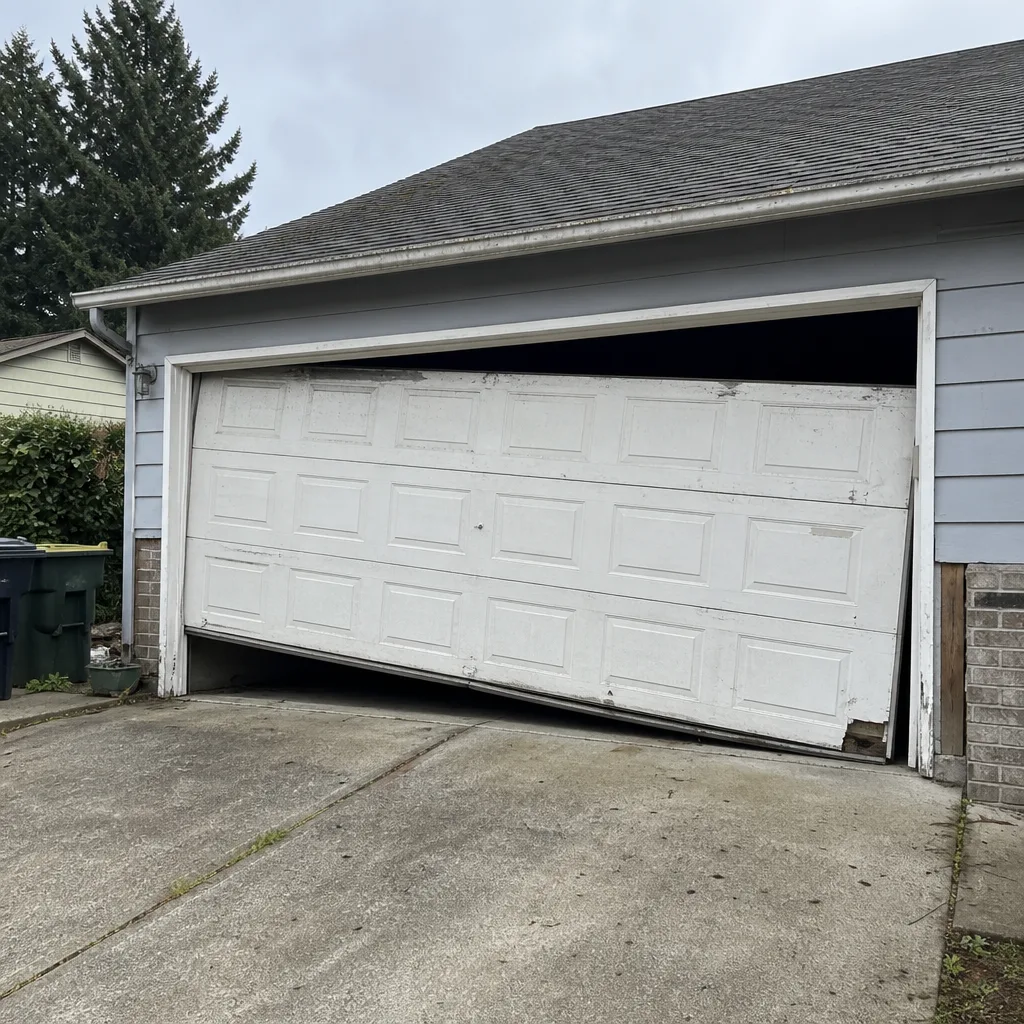 Before
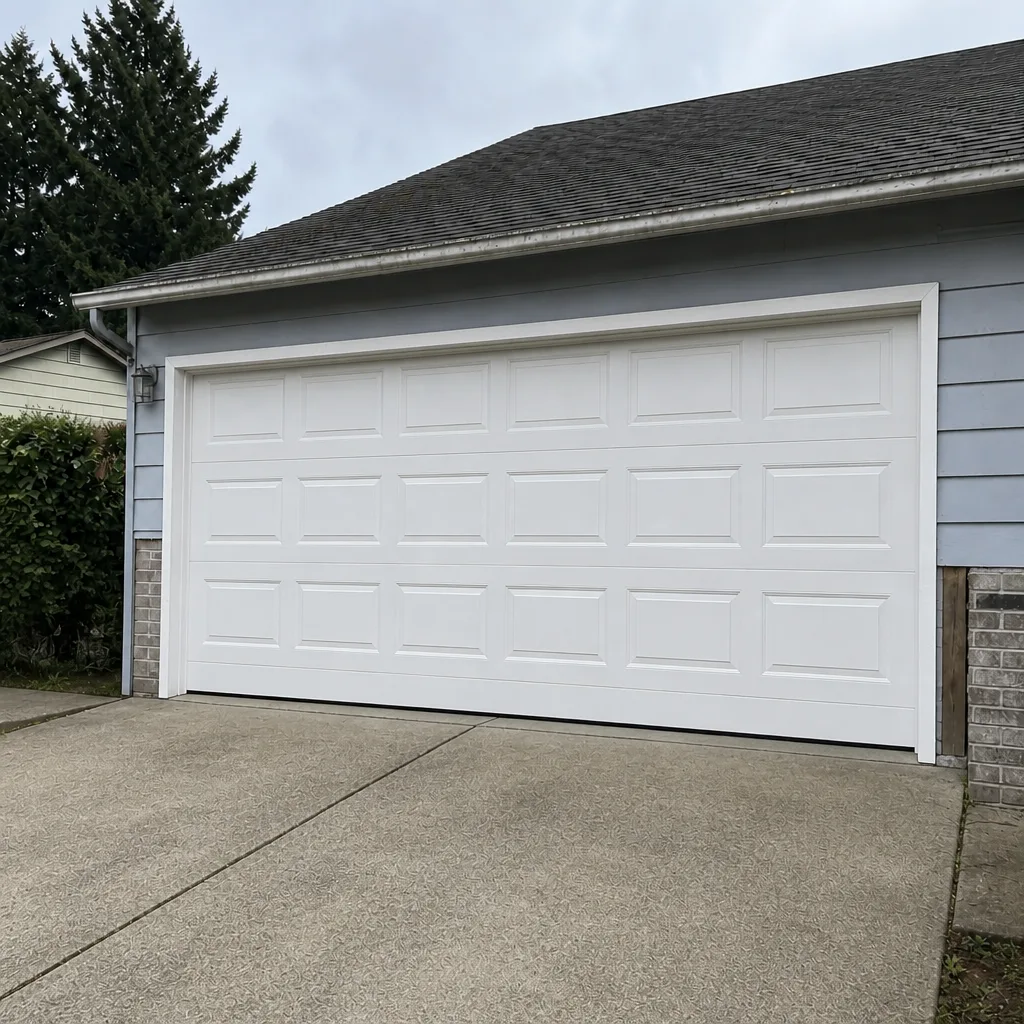 After
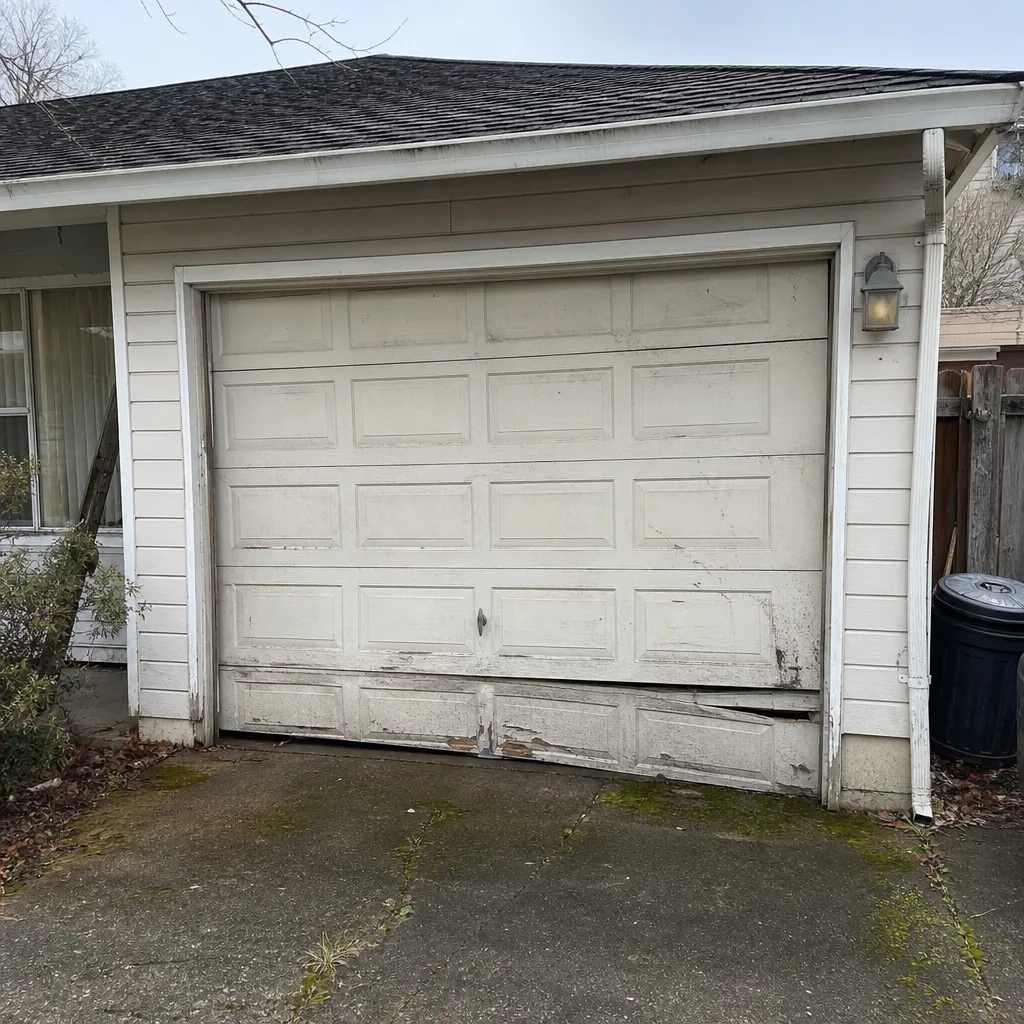 Before
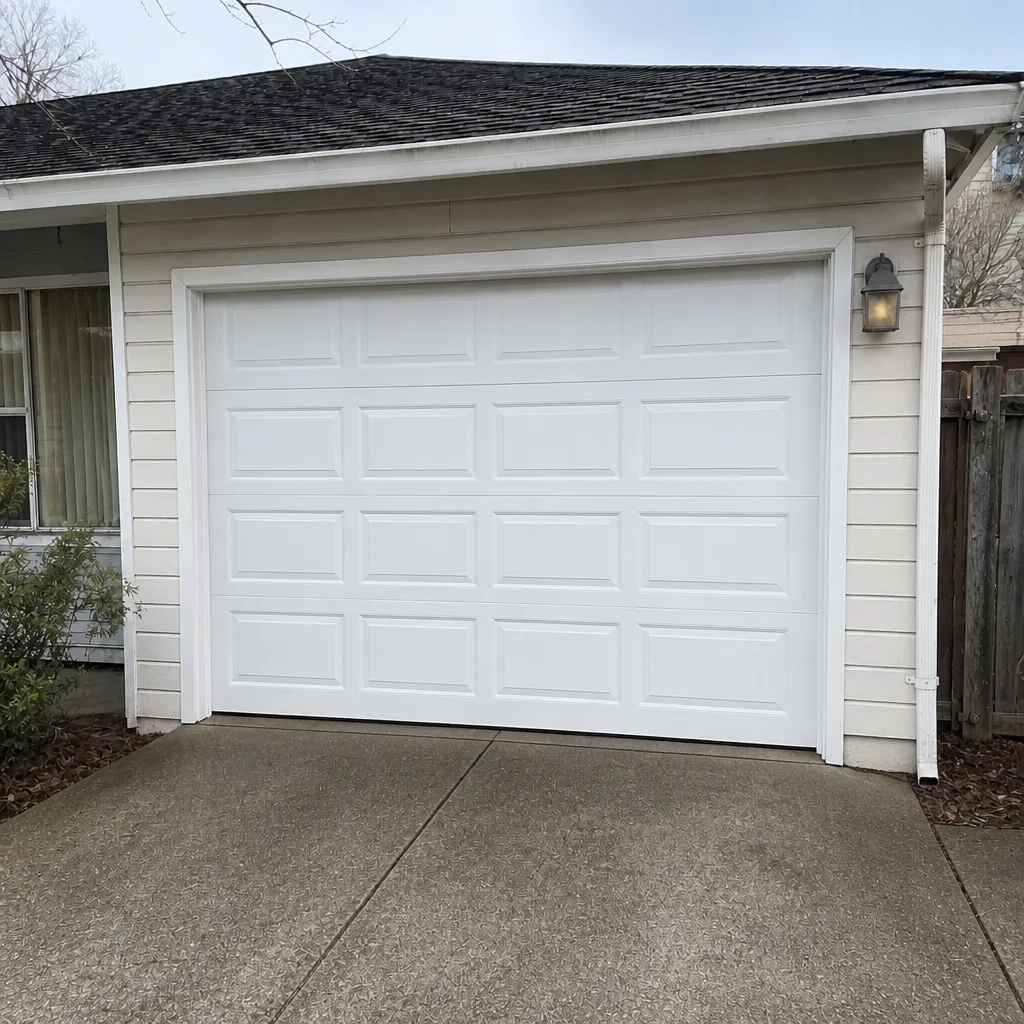 After
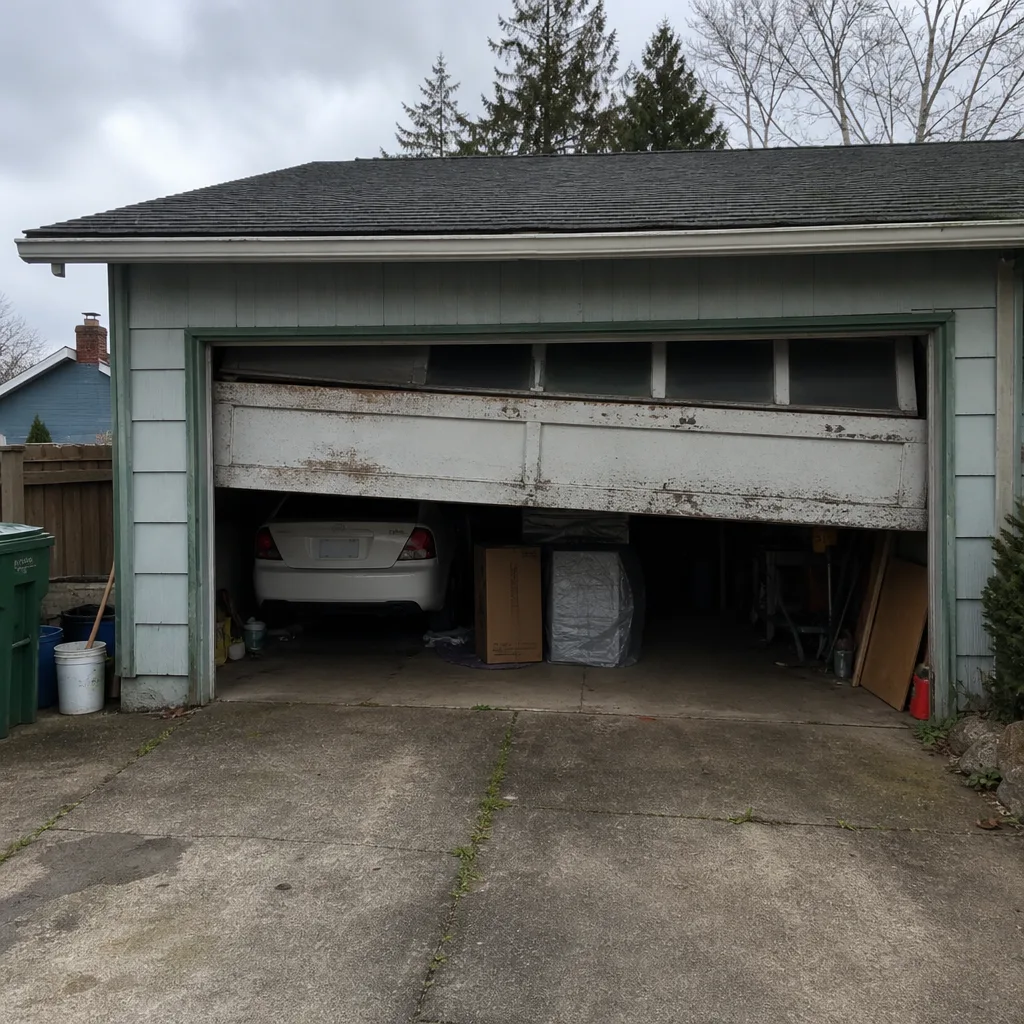 Before
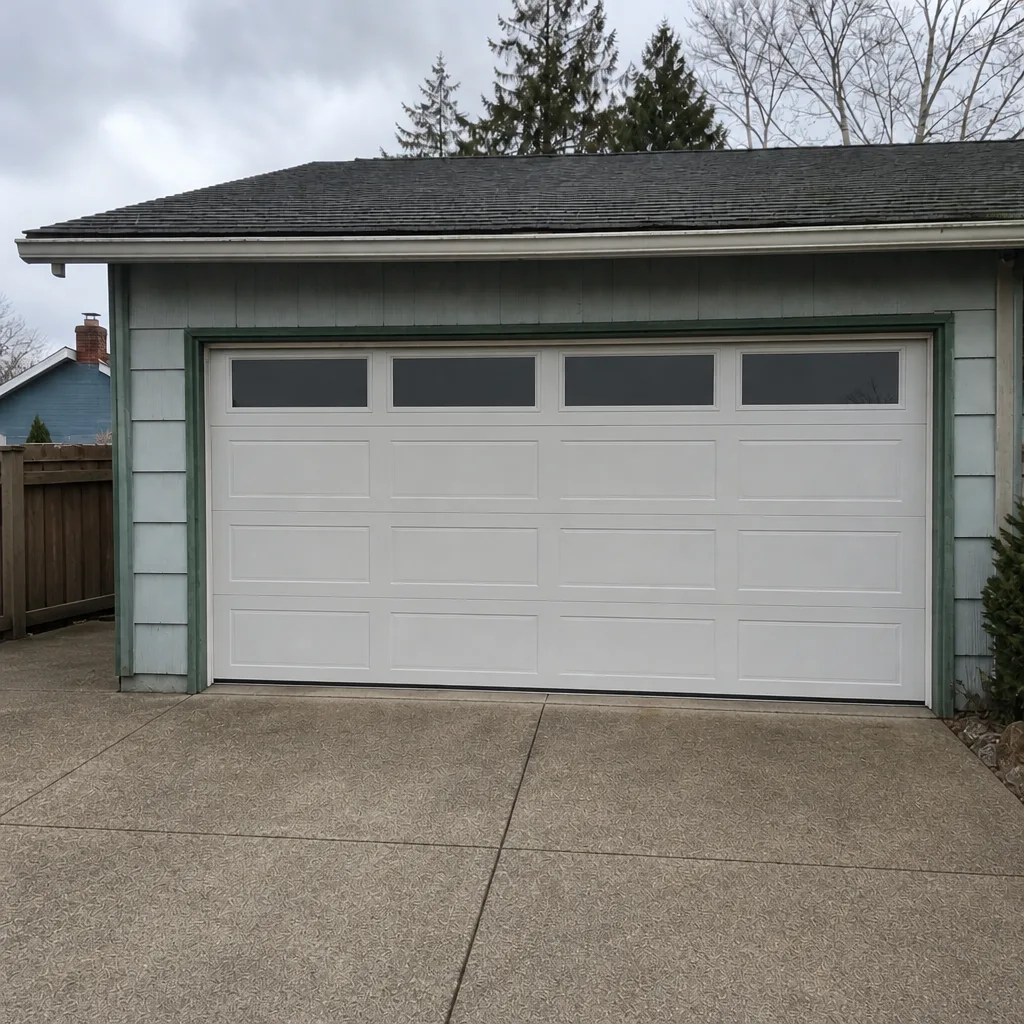 After
When to call a professional
Some calls are obvious and some sneak up. Call a technician when a torsion or extension spring has snapped (you’ll hear it, and the door may not lift at all), when a cable is visibly frayed or has let go, when the door won’t stay in a half-open position and slams or rises on its own, or when the opener’s safety reverse fails – meaning the door doesn’t stop and reverse when it meets an obstruction. Also call if the door is off its tracks, dragging on one side, or the opener just hums without moving the door. The safety reverse failure is worth flagging as urgent: a door that doesn’t reverse is a genuine hazard, particularly in a Gresham home with kids or pets.
For a single stubborn opener problem – a sensor that won’t align, a remote that won’t program, a keypad that’s stopped working – a garage door opener repair call handles it, and the technician diagnoses the specific opener brand rather than swapping parts at random. Sycamore Garage Door Repair offers free estimates in Gresham – call (866) 890-0843.
Frequently Asked Questions
Most common garage door repairs in Gresham run in an estimated range from about $150 to $400 depending on the component – a spring replacement typically falls around $180 to $340 per spring, while an opener repair runs about $150 to $400. The written estimate sets the final price, and we quote it before any work starts. Call (866) 890-0843 for an exact quote – estimates are free.
Yes, in many cases. We dispatch from 7am to 7pm Sunday through Friday and offer same-day service on repairs where the schedule allows. Call (866) 890-0843 and we’ll book you as soon as there’s an opening. We’re closed on Saturday.
No. The estimate we give you is agreed before work begins, and if we find something that genuinely changes the scope, we tell you and re-quote before touching anything. You don’t get an invoice that’s bigger than the number you agreed to. Call (866) 890-0843 to set up a free estimate.
Yes. Our technicians are licensed and work on insured projects, and our technicians have up to 12 years of experience with the major door and opener brands. Call (866) 890-0843 with any questions before you book.
Yes. We handle both the mechanical door system and the electronic opener system in one visit, so you’re not handed off between two different technicians. Whether it’s a Genie opener or a Clopay panel, we diagnose the whole system together. Call (866) 890-0843 to book one call that covers both.
Repair makes sense when the failure is isolated to one or two components on a structurally sound, balanced door. Replacement math starts to make more sense when multiple major components are failing at once, panels are rusted through, or the door has been fighting an undersized opener. Call (866) 890-0843 and we’ll diagnose it honestly – free estimate.
The Bottom Line
Gresham’s wet, temperature-variable climate puts more wear on springs, cables, and seals than drier regions, and the single biggest mistake homeowners make is treating the door and the opener as separate problems when they fail together. Diagnose the whole system: check spring balance, cable condition, panel integrity, and whether the opener is actually rated for the door’s weight. Repair when the failure is isolated and the door is sound. Replace when multiple components are failing at once. Get a written estimate before anything is agreed, and skip anyone who quotes a replacement without a diagnosis. Want a straight answer on your specific door? Call (866) 890-0843 for a free estimate.
If you’re ready to get your door looked at, Sycamore Garage Door Repair handles repair, opener work, and full installation across the Gresham area.
Written by the team at Sycamore Garage Door Repair.