
Last updated November 16, 2026
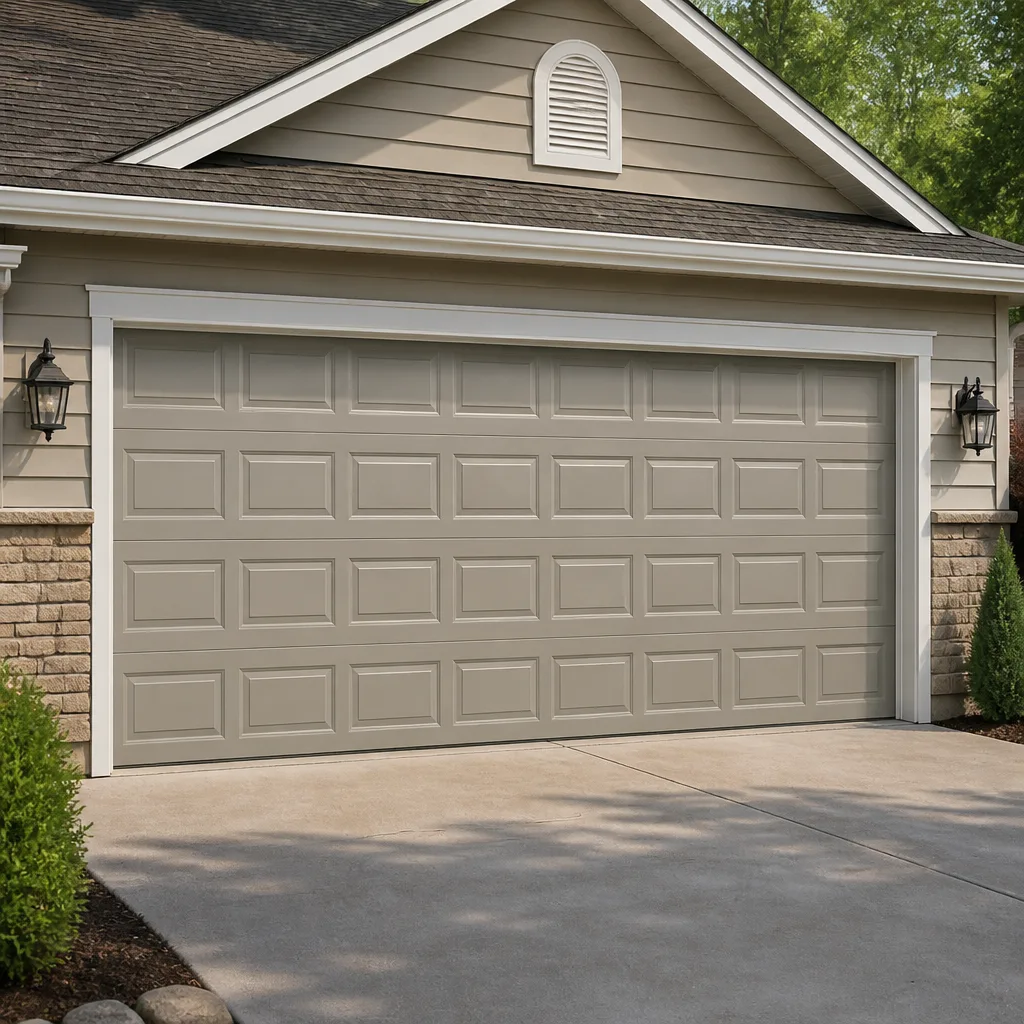 Raised-panel steel
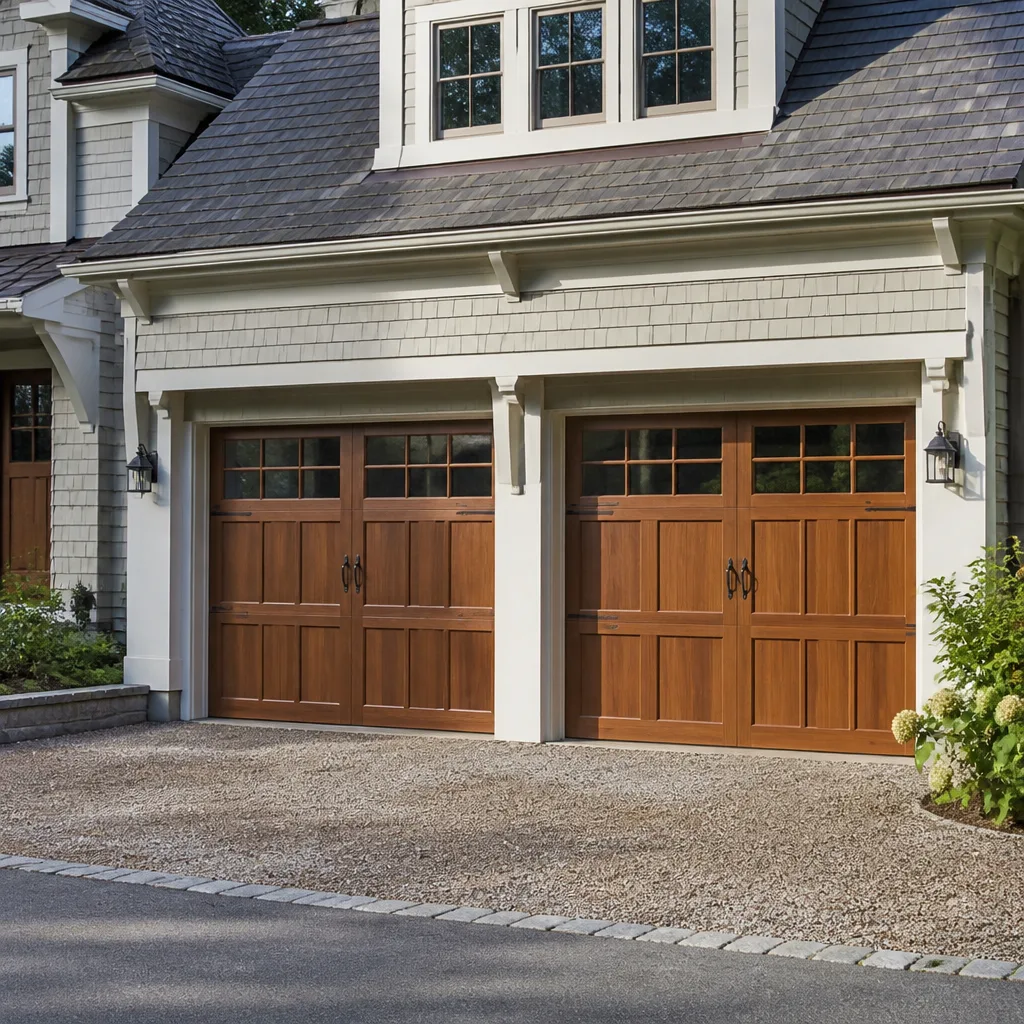 Carriage house
 Modern flush
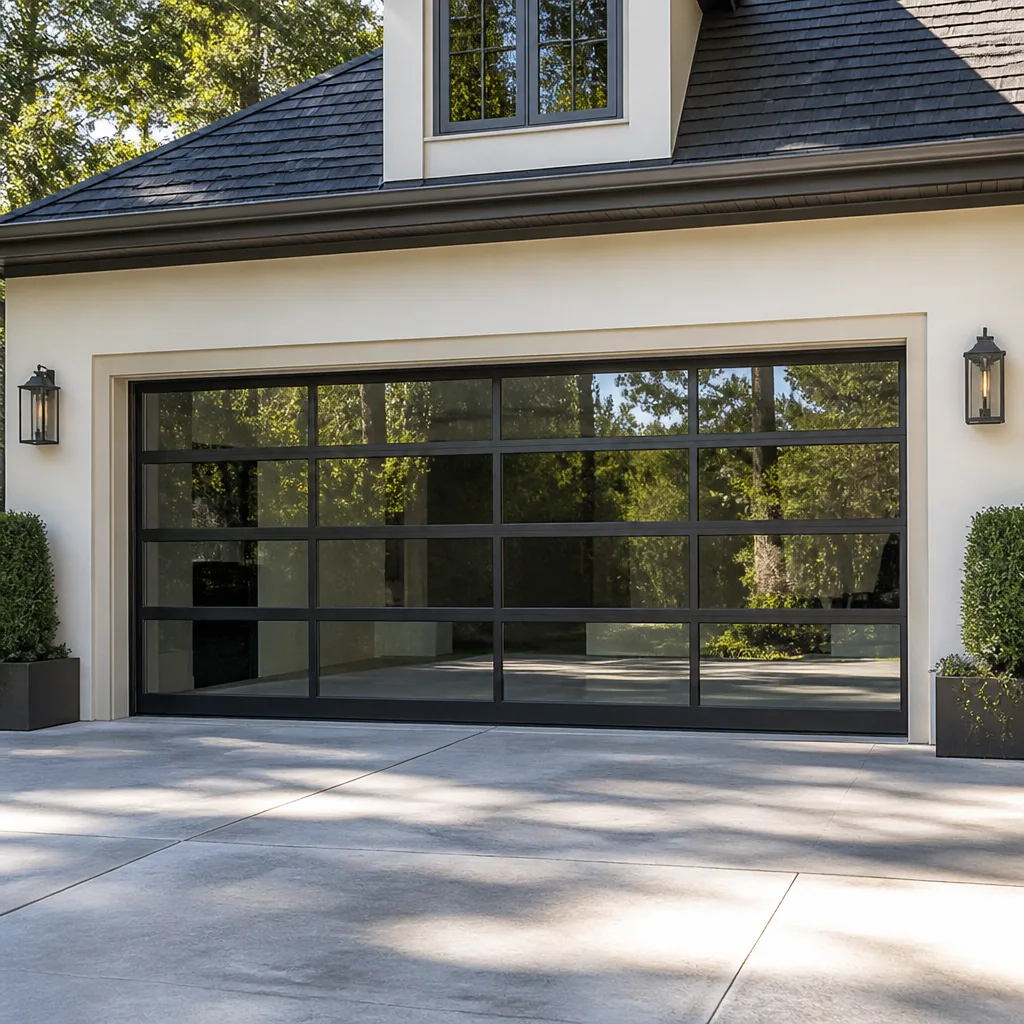 Full-view glass
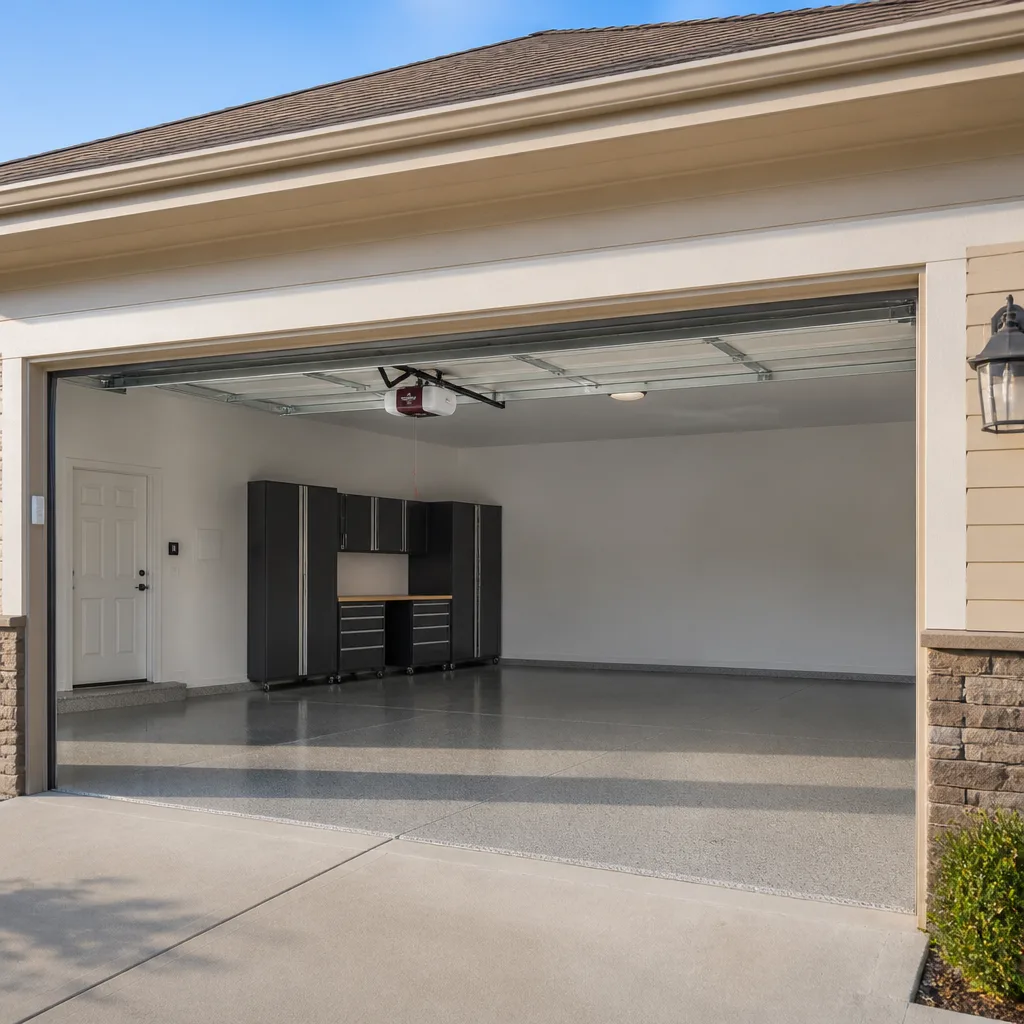 LiftMaster openers
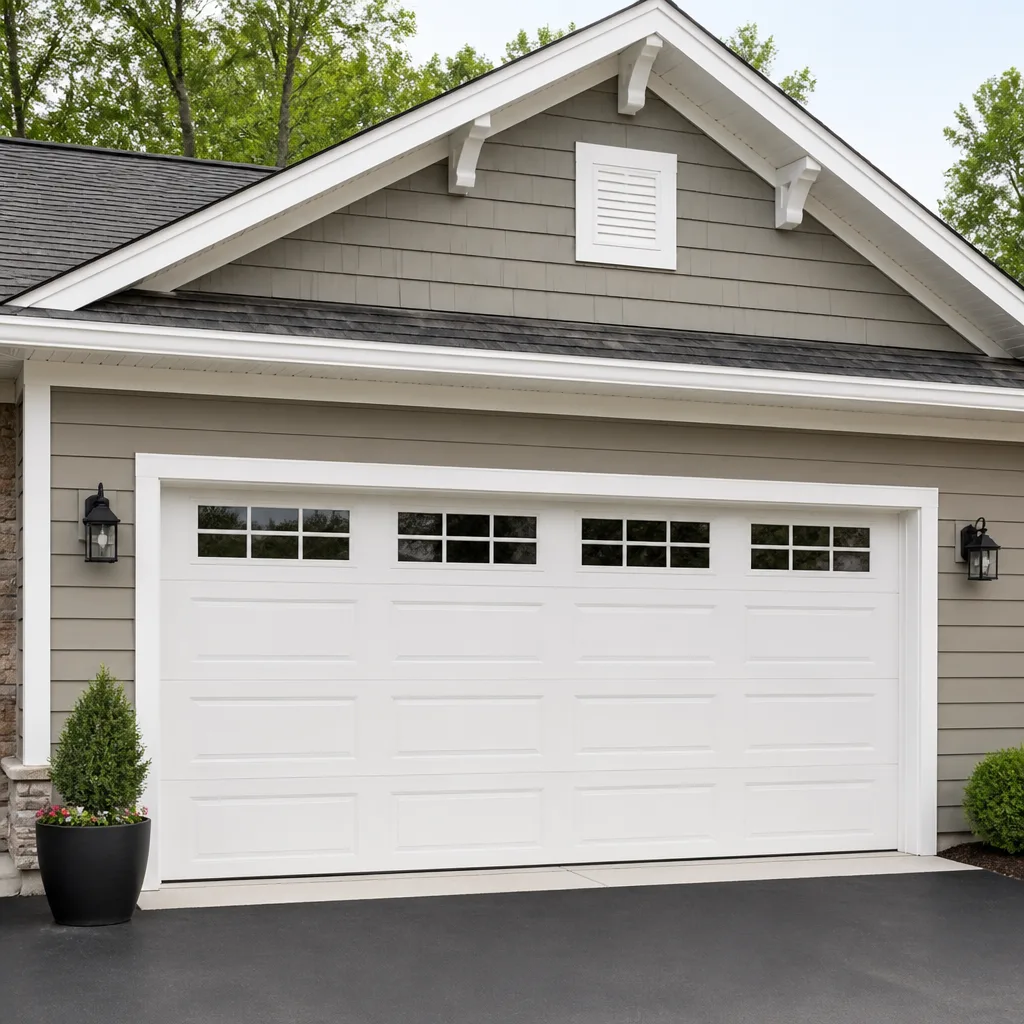 Chamberlain openers
Full 25-point door and opener safety check with every visit - springs, cables, rollers, tracks, and your LiftMaster or Chamberlain opener included
You get a price before we start. It does not change when the pro arrives.
Get your free estimateGarage Door Emergency Preparedness Guide for Gresham Homes
Most garage door advice tells you what to do once something breaks. That is the wrong order. The preparation you do on a calm afternoon decides whether a failed spring or an ice-locked door becomes a two-hour hassle or a bad morning. Two things catch Gresham homeowners off guard: the door is often the only practical way out of the house when ice takes down the power, and the release cord most people have never touched does not work the way they assume. This guide covers the three emergencies that actually happen here – power loss, broken springs, and winter freeze-ups – plus the kit and the questions that keep a panicked call from turning into an expensive one.
Quick Answer
A garage door emergency in Gresham usually comes down to three causes: a power outage, a snapped torsion or extension spring, or a door frozen to the floor or jammed in its tracks during an ice event. The safe response is to stop operating the door, use the manual release only when the spring system is intact, and call a trained technician for anything involving springs, cables, or the opener’s mechanical parts. Preparation you can do in advance is a five-item garage kit, a labeled release cord, and the phone number of a repair company you’ve already vetted.
Styles & brands we work with
- Raised-panel steel
- Carriage house
- Modern flush
- Full-view glass
- LiftMaster openers
- Chamberlain openers
Table of Contents
- How to Release a Garage Door During a Power Outage
- What to Do the Moment a Spring Breaks
- Winter Freeze-Ups: What to Fix and What Never to Force
- The Garage Emergency Kit Every Gresham Home Should Keep
- How to Choose an Emergency Repair Service Without Panicking
- Opener Failures vs. Door Failures: Telling Them Apart
- Preventive Checks That Head Off Most Emergencies
How to Release a Garage Door During a Power Outage
The red or yellow release cord hanging from your opener trolley disconnects the door from the motor so you can lift it by hand. That much is true – but the cord only works safely if the door’s spring system is intact and the door is balanced. If a spring is broken, releasing the door puts its full weight in your hands, and a standard double-car door can weigh well over a hundred pounds with nothing holding it up.
Here is the correct procedure for a normal power outage, with the door and springs in working order:
- Make sure no one is standing under or near the door, and clear anything that could catch on the bottom seal.
- Pull the release cord straight down and toward the motor until the trolley clicks free. On most LiftMaster and Chamberlain units this is a firm, single tug.
- Lift the door slowly by the bottom section with both hands, keeping your feet clear. A balanced door should rise with modest effort and stay put where you let go.
- Prop or hold the door up as you move the car or exit, then lower it carefully until it seats fully closed.
- To reconnect, pull the cord back toward the door and run the opener once so the trolley re-engages the arm. The door will usually cycle once to reset its travel limits.
If the door feels unusually heavy, won’t stay up, or drifts down on its own, stop. That is a sign of a failing spring or a cable problem, and the door should not be operated until a technician looks at it. Our garage door repair service handles the balance and spring side of this, and we’ll tell you plainly whether the door is safe to use manually in the meantime.
One more thing: label the cord. We’ve seen plenty of Gresham homes where the release cord got tangled into the rail or hidden behind stored boxes. A strip of bright tape on the handle makes it findable in the dark. Genie and Craftsman openers often use a slightly different trolley latch, so if yours doesn’t release with a straight downward pull, check the owner’s manual before forcing it.
What to Do the Moment a Spring Breaks
You’ll usually hear it before you see it – a sharp bang from the garage. A torsion spring is the horizontal coil mounted on the shaft above the door; an extension spring runs along the tracks on either side. A snapped spring leaves a visible gap in the coil, and the door becomes dead weight.
What to do in the first few minutes:
- Do not press the opener button again. The motor will strain against an unbalanced door and can burn out the opener or bend the rail.
- Leave the door closed if you can. A door with a broken spring can come down hard and fast. Don’t try to raise it.
- Exit through another door. The garage may be your fastest exit normally, but not on the day the spring fails. Walk out through the front or a side door.
- Photograph the break from a safe distance. It helps the technician confirm the spring type and size before arriving.
- Call for repair. Spring replacement is not a do-it-yourself job. Torsion springs are under extreme tension, and the winding bars and technique required are a serious injury risk in untrained hands.
A typical spring replacement in the Gresham area runs roughly $180 to $340 for a single spring, and most homeowners replace a matched pair together, which is about double. That’s an estimate only – a written quote confirms the price, and it’s set before any work starts. We work on Clopay and Amarr doors and LiftMaster and Chamberlain openers among others, so we can match the spring to the actual door weight rather than guessing from a sticker.
If the car is trapped inside and you have somewhere to be, a technician with fast dispatch from 7am to 7pm Sunday through Friday can often do the swap same day. Call (866) 890-0843. We answer 24/7.
Winter Freeze-Ups: What to Fix and What Never to Force
Gresham winters are wet and cold enough that ice forms around the bottom seal and in the tracks. When the door won’t budge on a freezing morning, the cause is usually one of three things: a bottom seal frozen to the concrete, ice in the track, or a frozen hinge or roller. Here’s how to tell them apart and what to do.
- Ice-bound bottom seal. The opener strains but the door doesn’t lift. Don’t keep pressing the button. Push gently on the bottom section by hand to feel if it’s stuck, then break the seal free with warm water poured along the base – not hot water, which can warp the seal.
- Frozen track. Look for ice buildup in the vertical or horizontal track. Clear it with warm water and a soft cloth. Never chip it with a screwdriver or hammer; a bent track will throw the door out of alignment.
- Frozen hinge or roller. The door lifts partway then binds. This often needs penetrating lubricant worked in by hand, and sometimes a technician to replace the roller.
What never to do: force the door up with the opener in repeated attempts, pry the bottom edge with a bar, or run the door on a track you can’t see is clear. Forcing an ice-bound door can strip the opener’s drive gear, snap a cable, or bend a track. If the door is stuck and you can’t free the seal with warm water, park outside and call. A garage door opener repair call is far cheaper than a new opener, and the two are often confused during winter. We answer 24/7 and can book you into the next opening, Sunday through Friday, 7am to 7pm.
Around Gresham, homes near the Springwater Corridor and lower-lying spots along the Sandy River drainage tend to hold cold air longer in the morning, which means faster ice on the seal. Keeping the garage’s interior above freezing and clearing the bottom of the door’s path after any freezing rain prevents most of these calls.
The Garage Emergency Kit Every Gresham Home Should Keep
The point of an emergency kit is that it’s ready before the emergency. For a garage door in Gresham, that means a handful of items in a bucket or on a shelf you can find in the dark, all in one place.
- Manual release key or short handle. Some openers have a keyed disconnect; if yours does, keep the key with the release cord.
- Penetrating lubricant. A small can of a penetrating oil frees frozen hinges and rollers and quiets a door that’s binding. Don’t substitute heavy grease, which attracts grit.
- Spare remote batteries. Keep the correct size for your LiftMaster, Chamberlain, or Genie remote in the kit, so a dead battery doesn’t strand you.
- A good flashlight. A power outage leaves a garage pitch black. A headlamp is even better because it keeps your hands free.
- A printed card with your repair company’s number. Your phone may be dead or the network down; a card on the wall holds the number.
- Warm water access plan. Know where your nearest outdoor spigot is for the winter freeze scenario, and keep a short hose handy.
Two additions that cost almost nothing and make the kit more useful: a stubby screwdriver for opening a remote’s battery compartment, and a length of bright tape to mark the release cord. Keep the kit on a shelf at eye level, not on the floor where it gets buried. If you use a Genie or Chamberlain remote, note that the battery sizes vary by model, so label the correct size on the kit itself.
Once a year, test the release cord in daylight and check the manual. If you’re not sure how your specific opener disconnects, that’s a good moment to ask a technician during any service visit.
How to Choose an Emergency Repair Service Without Panicking
The worst time to shop for a repair company is when the door is stuck and you’re already running late. The best defense against price gouging is preparation: know who you’d call before you need them, and know what to ask before you agree to anything.
What to ask before you say yes:
- Is the estimate free and in writing? A free written estimate sets the price before work starts. Any company that won’t put it in writing is a red flag.
- Is the price set per job or does it change after the visit? Ask directly whether the quote you receive is the number you’ll pay, barring a change in scope you approve.
- Are the technicians licensed and insured? In Oregon, ask; don’t assume. A legitimate company answers this plainly.
- What brand experience do you have? A company that works on what’s installed – not only what it sells – diagnoses by the actual system. We work on eight manufacturer lines: LiftMaster, Chamberlain, Genie, Clopay, Amarr, Wayne Dalton, Craftsman, and Raynor.
- Is the door safe to use while I wait? A good technician will tell you whether to leave it closed or whether manual operation is safe given the specific failure.
Gresham homeowners have had plenty of experience with this. When a regional ice event takes down power, demand spikes and people with no plan call whoever answers first. Companies that charge a premium for same-day or after-hours work without telling you up front are the ones to walk away from. We don’t; the price is the same per job whenever the work happens, and we say so before we book. Call (866) 890-0843 for a free estimate.
Opener Failures vs. Door Failures: Telling Them Apart
Half the calls we get for “a broken door” turn out to be the opener. The diagnosis matters because the fix is different. Here’s how to tell which side of the system is failing.
- No lights, no sound on the opener: check the power, the breaker, and the wall switch. If the opener is dead, the door could be fine.
- Opener hums but the door doesn’t move: often the opener’s drive gear, capacitor, or the door is too heavy because of a failing spring. Don’t assume the opener is at fault.
- Door lifts partway and stops: travel limits have drifted, or the safety sensors are obstructed or misaligned. Most LiftMaster and Chamberlain units have an alignment LED that tells you.
- Door reverses immediately: a safety sensor issue or a binding door. Clean the sensor lenses and check for anything in the door’s path before calling.
- Door closes and reopens: the same sensor or limit problem, or a worn bottom seal pressing the safety edge.
If the opener runs smoothly but the door is heavy or uneven, the door’s spring or cable system is the real problem, and repairing the opener alone won’t fix it. Our technicians have up to 12 years of experience diagnosing exactly this split, and covering both the door and the opener under one call avoids a second appointment. New installation is a separate tier we handle too, so there’s no handoff when a door is beyond repair.
Preventive Checks That Head Off Most Emergencies
Most garage door emergencies are preventable with a few minutes of attention a couple of times a year. A door that runs smoothly and a spring that’s near the end of its life both announce themselves if you know what to look for.
On a dry afternoon, run through this list:
- Lubricate the moving parts. Hinges, rollers, and the torsion shaft get a light coat of penetrating oil. Don’t oil the tracks themselves; wipe them clean instead.
- Test the balance. Disconnect the door from the opener, lift halfway, and let go. A balanced door holds in place. One that drops could have a weakening spring.
- Watch for spring gaps. Look at the coil for a visible break or a stretch. A spring that’s clearly stretched is a candidate for replacement before it fails.
- Check the bottom seal. A cracked or hardened seal lets in water that freezes in winter. Replace it before the cold sets in.
- Test the safety sensors. Wave something in front of the sensors while the door closes; it should reverse. If it doesn’t, the opener needs attention.
- Look at the tracks. Any dent or misalignment should be fixed before it starts dragging the rollers.
In Gresham, we suggest doing this in fall, before the first hard freeze, and again in spring. That timing catches the winter wear and gets ahead of the season when doors work hardest. If the balance test feels heavy or the door doesn’t hold halfway, stop testing and have it checked. A trained technician can spot a worn spring before it becomes a morning emergency.
Common Mistakes to Avoid
- Pulling the release cord with a broken spring. Most people don’t realize the spring is what balances the door’s weight. If the spring is broken, releasing the door puts that weight in your hands and can cause serious injury.
- Forcing a frozen door with the opener. Repeated attempts on an ice-bound bottom seal can strip the opener’s drive gear. Free the seal with warm water first.
- Lubricating the tracks. Oil on the tracks attracts grit and makes rollers slip. Oil the hinges and rollers, not the tracks.
- Replacing the opener when the door is the problem. A door that’s heavy or binds will strain any new opener. Diagnose the door before buying a motor.
- Calling whoever’s on a truck that morning. Without a free written estimate agreed before work starts, you have no way to know the final price. Ask for it in writing.
- Ignoring a stretched spring. A spring that’s visibly stretched is a spring that’s about to fail. Replace it on your schedule, not at 7am on a workday.
- Leaving the release cord hidden. If you can’t find the cord in a power outage, you can’t manually open the door. Mark it clearly and keep it clear of stored boxes.
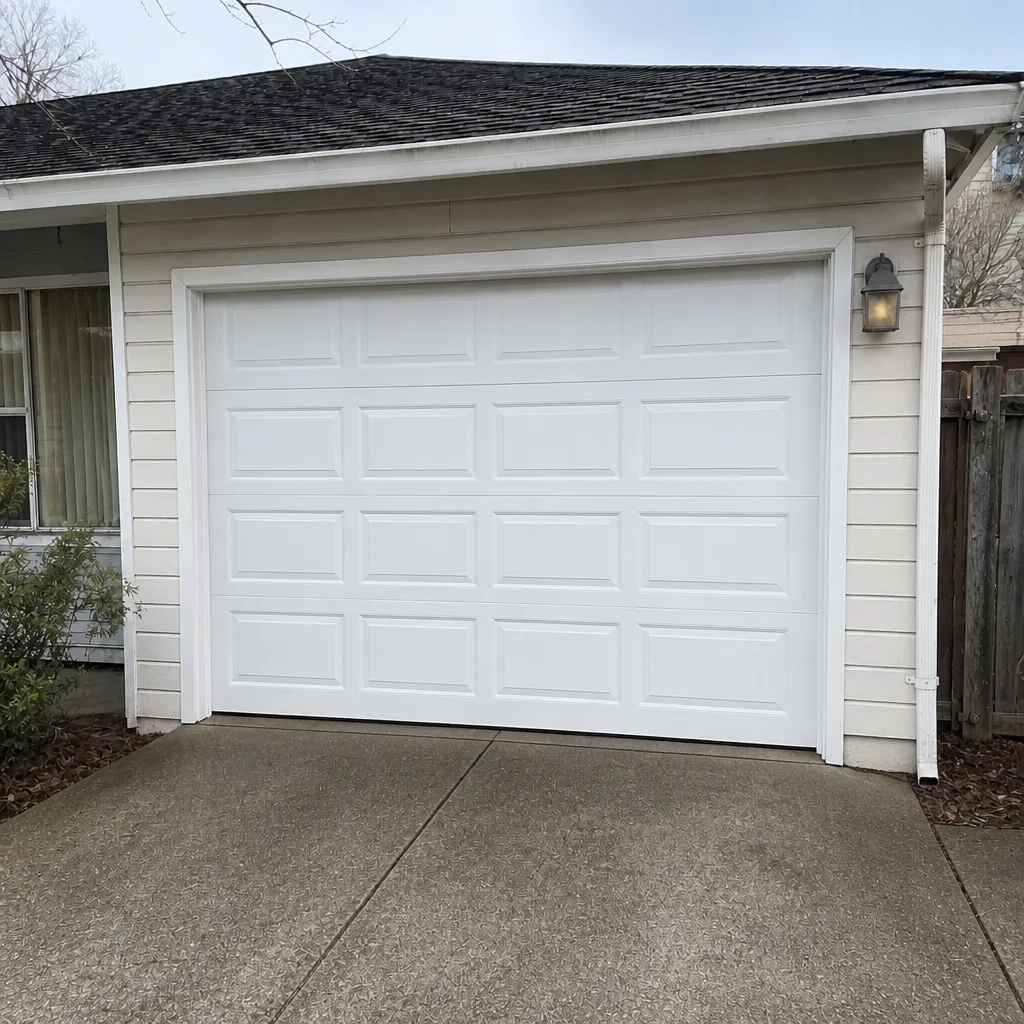
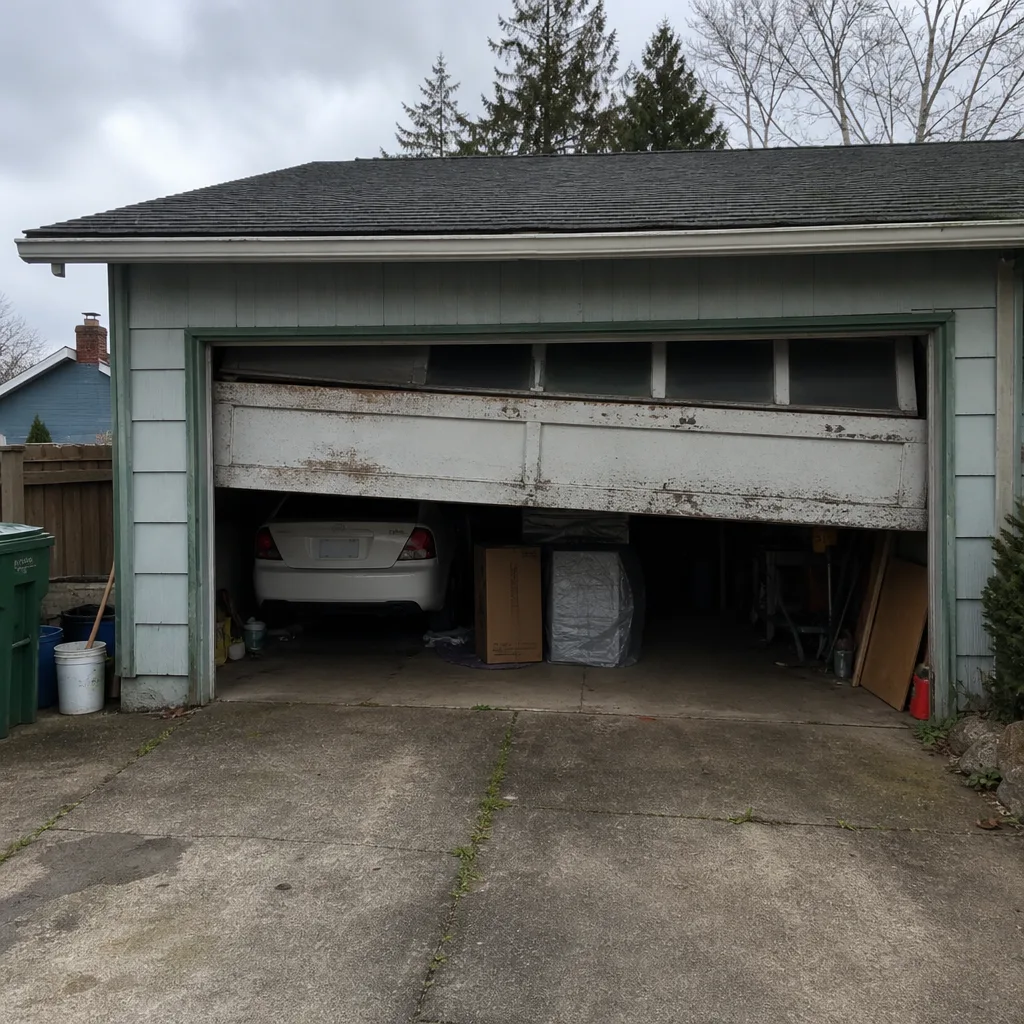
See the difference
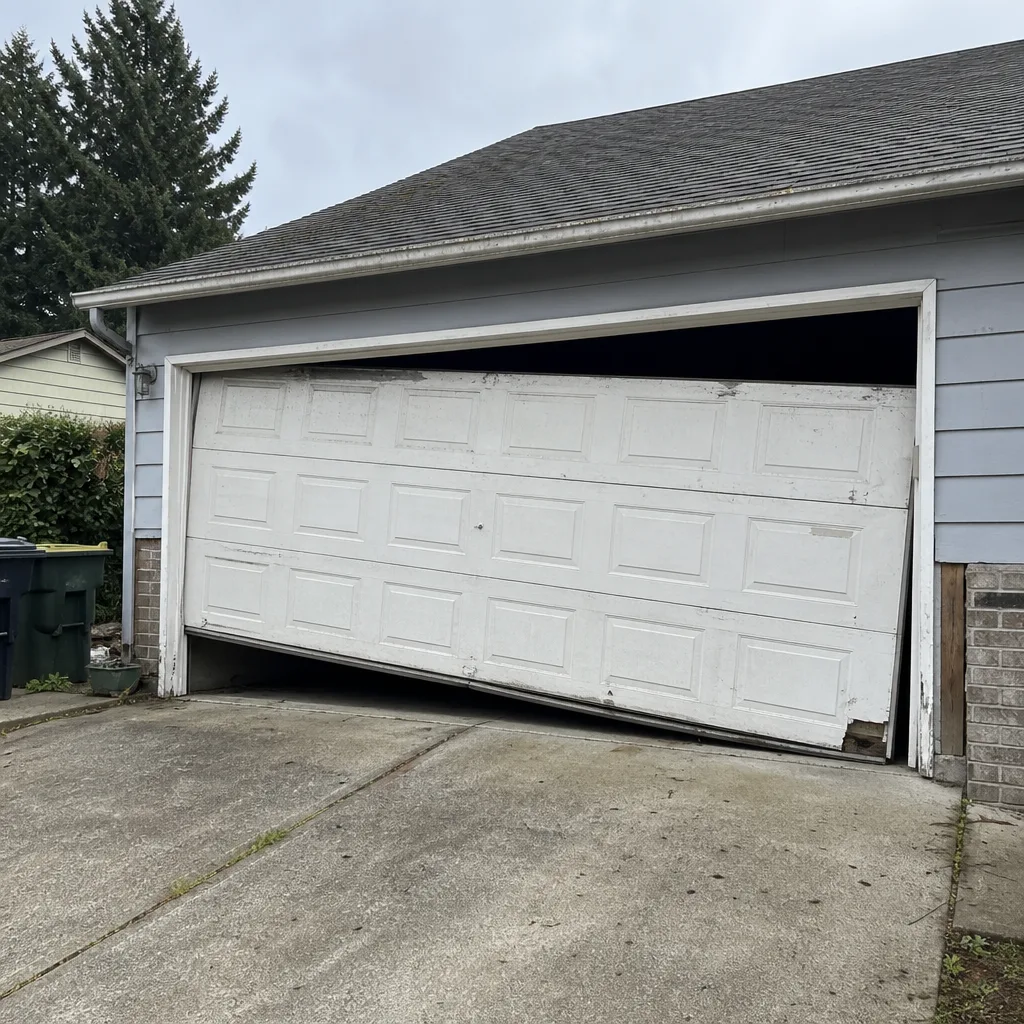 Before
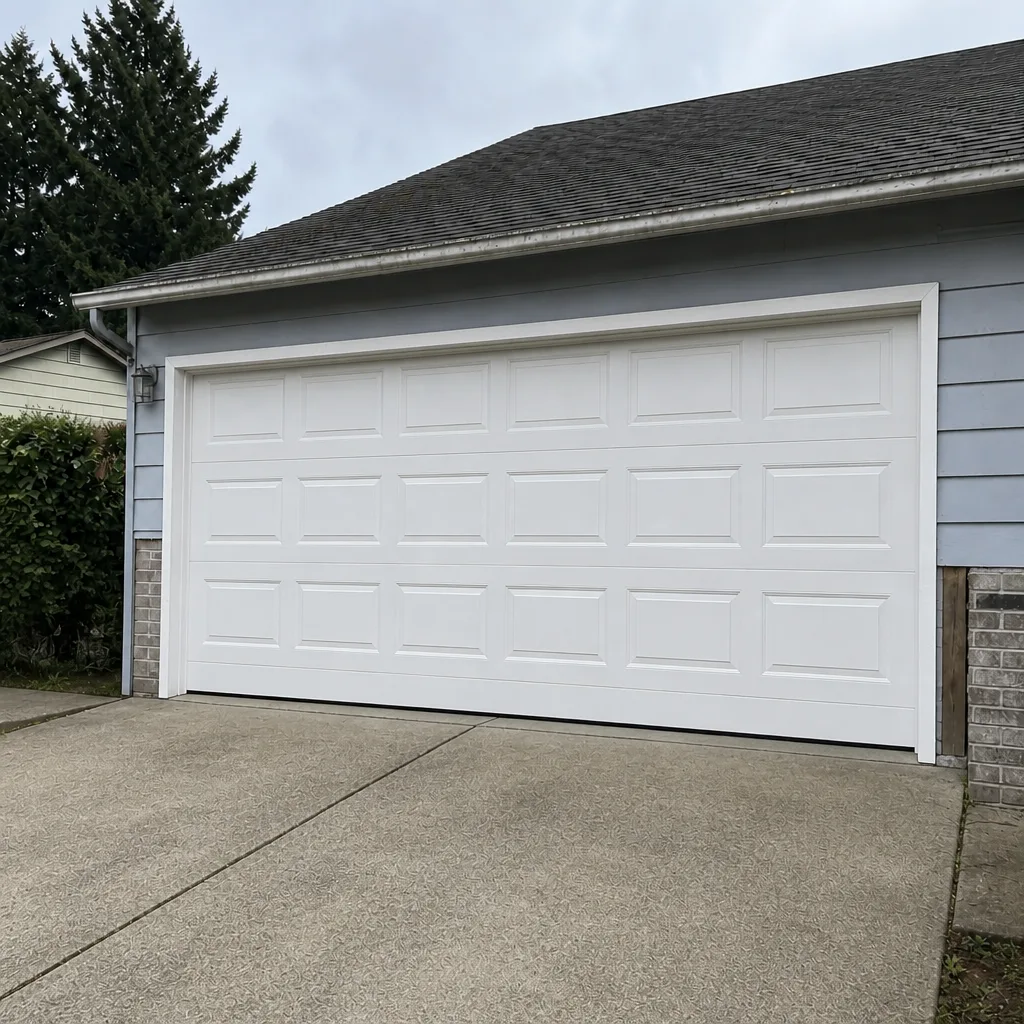 After
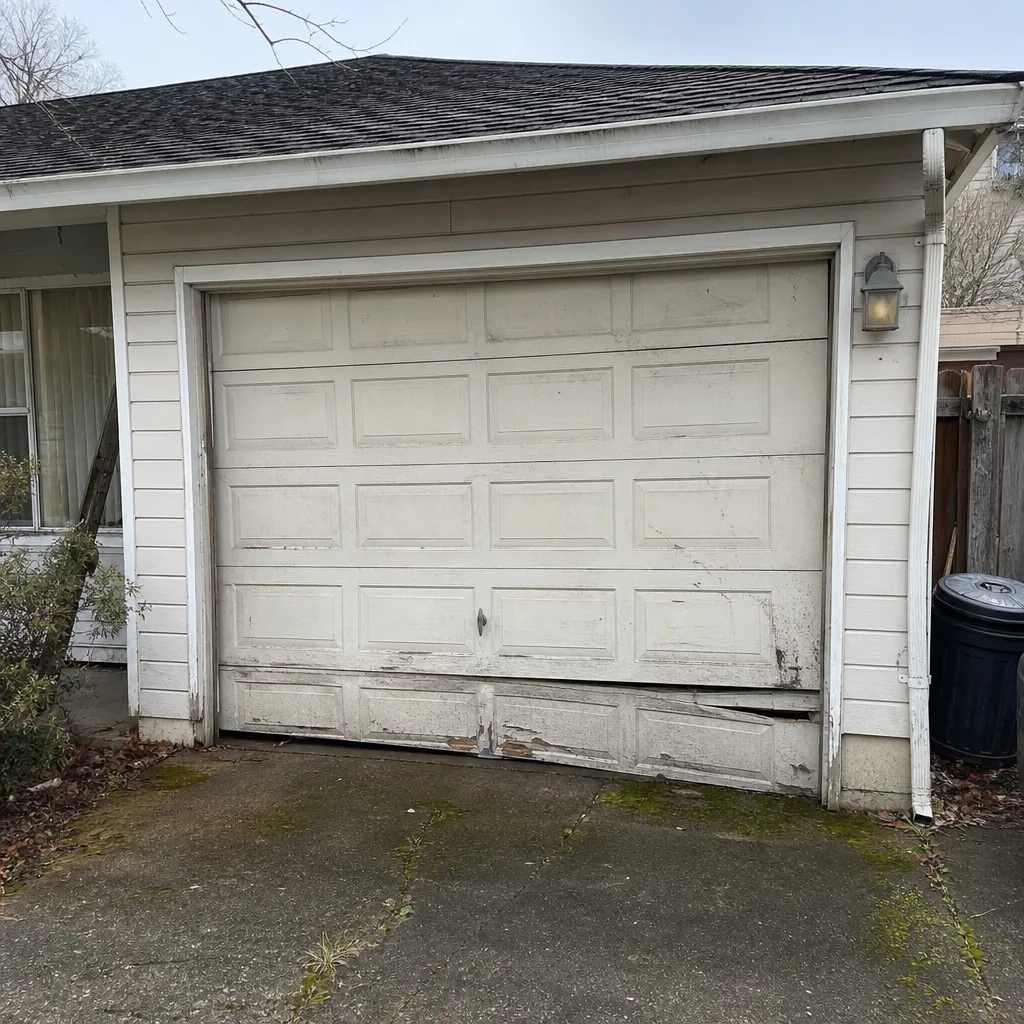 Before
 After
 Before
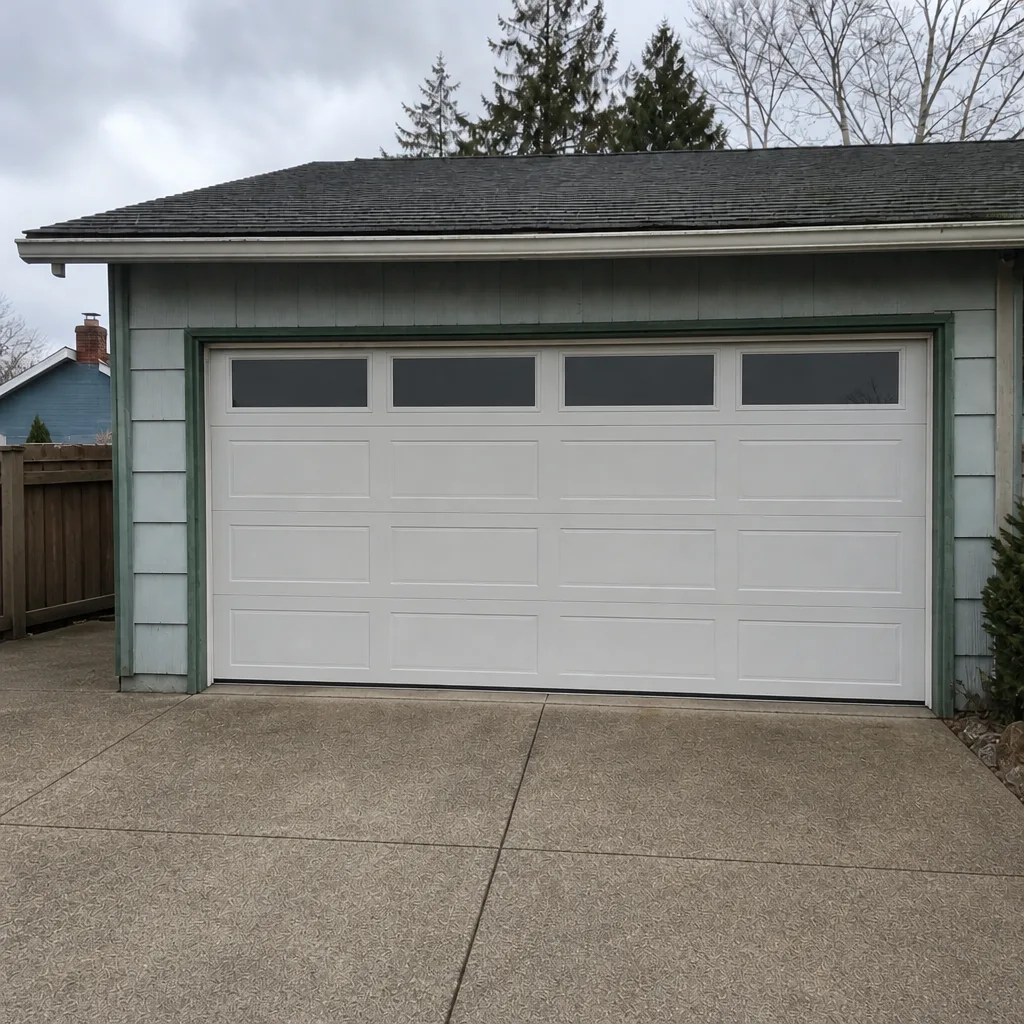 After
When to Call a Professional
Call a professional any time the door’s spring system is involved, the door is visibly bent or off its track, a cable is loose or frayed, or the door feels heavy and won’t hold mid-lift. Also call if the opener hums but the door doesn’t move, if a safety sensor won’t stay aligned after you clean it, or if the door reverses unpredictably. Springs and cables store enormous force, and that’s not work for untrained hands. For anything on the door’s balance or the opener’s internals, a trained technician is the safe call. Sycamore Garage Door Repair offers free estimates in Gresham – call (866) 890-0843. We answer 24/7. Fast dispatch from 7am to 7pm, Sunday through Friday.
Frequently Asked Questions
First, check whether the opener has lost power or the door is stuck. If it’s a power outage and the springs are intact, pull the release cord straight down to disconnect the trolley and lift the door by hand. If the door is unusually heavy or won’t hold up, stop and exit through another door. Call (866) 890-0843 for an exact quote – estimates are free.
No. A broken spring means the door is unbalanced and unsafe to operate, either manually or with the opener. Leave it closed, exit through another door, and call for spring replacement. A single spring typically runs $180 to $340 in the Gresham area, with a matched pair about double, and the written estimate sets the final price. Call (866) 890-0843 for an exact quote.
Cost depends on the failure: a single spring is typically $180 to $340, and opener issues and cable or track repairs vary by the parts involved. We give a free written estimate before any work starts, so the price is set before a technician touches the door. Call (866) 890-0843 for an exact quote.
No, not without your approval. The free written estimate we give before work begins is the price you pay, unless the scope of the job changes and you agree to the new amount first. We don’t add a premium for same-day or evening dispatch. Call (866) 890-0843 for an exact quote – estimates are free.
Yes. Our technicians are licensed and insured, and they have up to 12 years of experience working on garage doors and openers. We work on what’s installed – LiftMaster, Chamberlain, Genie, Clopay, Amarr, Wayne Dalton, Craftsman, and Raynor – not only the brands we sell. Call (866) 890-0843 for an exact quote.
Often, yes. We answer 24/7 and offer fast dispatch from 7am to 7pm, Sunday through Friday, with same-day service available for most repair calls. A call outside dispatch hours is booked into the next opening. We’re closed on Saturday. Call (866) 890-0843 for an exact quote.
The bottom seal freezes to the concrete, or ice forms in the tracks, usually overnight after freezing rain or a hard freeze. Free the seal with warm water along the base and clear ice from the tracks with a cloth. Never chip ice or force the door with the opener; that can bend the track or strip the opener’s gear. Call (866) 890-0843 if the door still won’t move.
The Bottom Line
Garage door emergencies in Gresham come down to a few predictable causes: a power outage, a broken spring, or a winter freeze-up. The preparation that matters is simple. Reserve an afternoon to test the release cord, label it, and put together a small kit with the tools and the repair company’s number you’d want in the dark. Learn what a broken spring looks like so you never release the door with one. And vette your repair company before you need one, so the price is quoted and agreed up front instead of decided in a panic. Do those three things, and a bad morning stays a bad morning.
Sycamore Garage Door Repair is your Gresham specialist for repair, opener repair, and installation across eight major brands, and we’re brand-agnostic about what’s in your garage. Call (866) 890-0843 for a free estimate. We answer 24/7. Fast dispatch from 7am to 7pm, Sunday through Friday. For a broader look at our services, visit Sycamore Garage Door Repair.
Written by the team at Sycamore Garage Door Repair.