
Last updated November 16, 2026
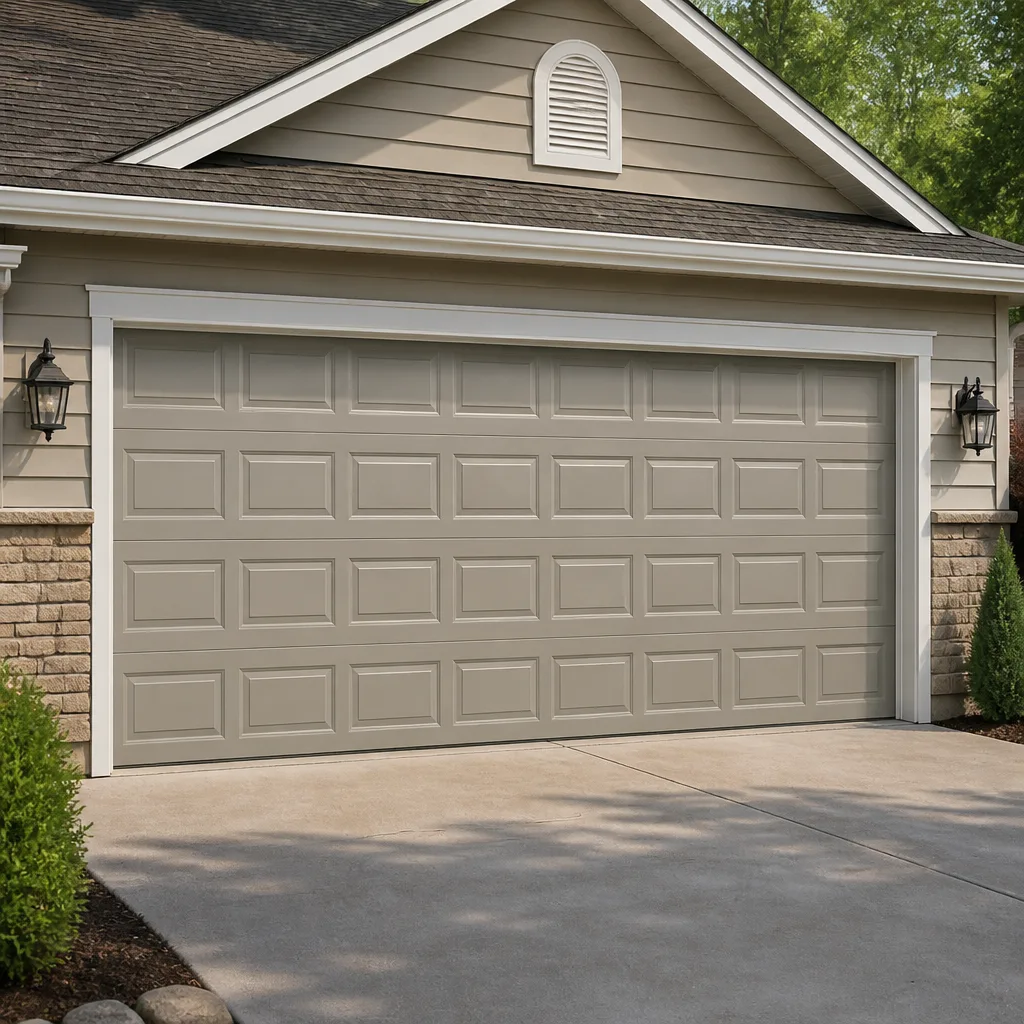 Raised-panel steel
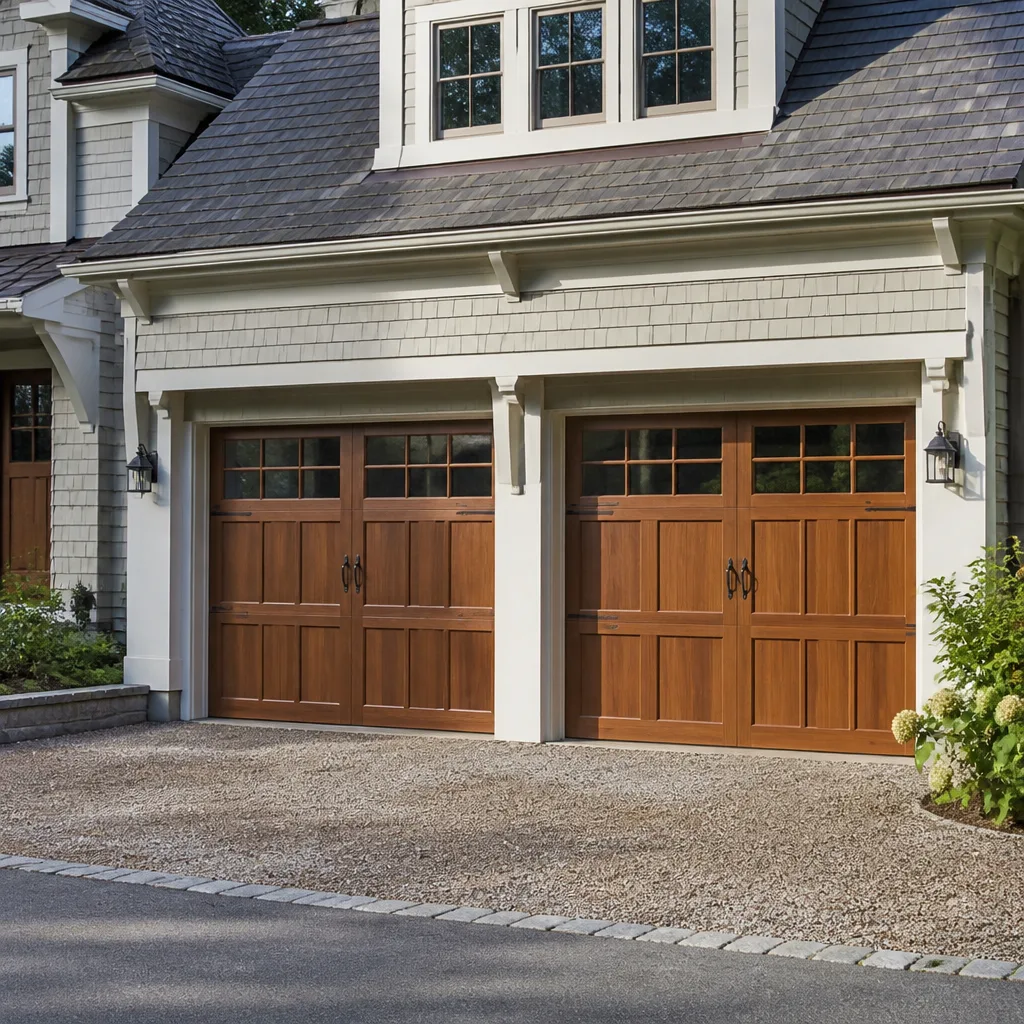 Carriage house
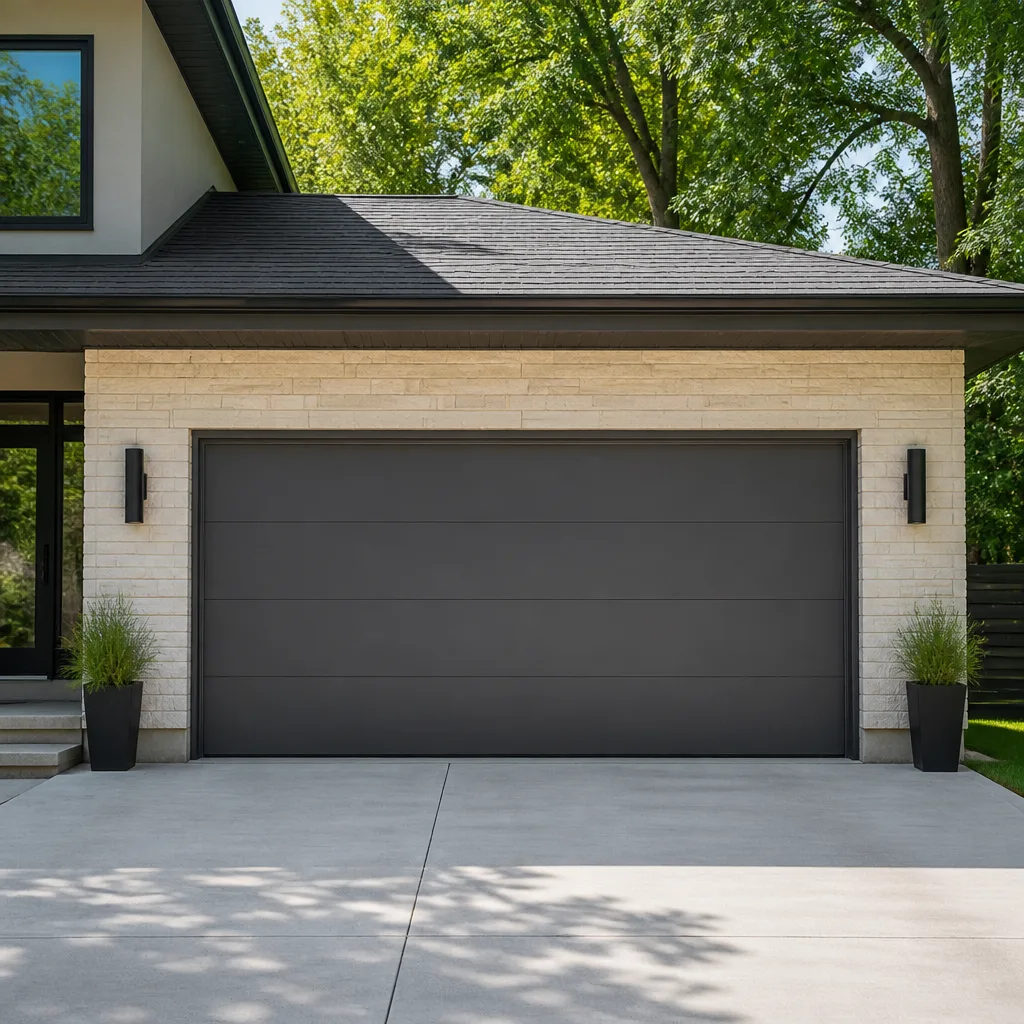 Modern flush
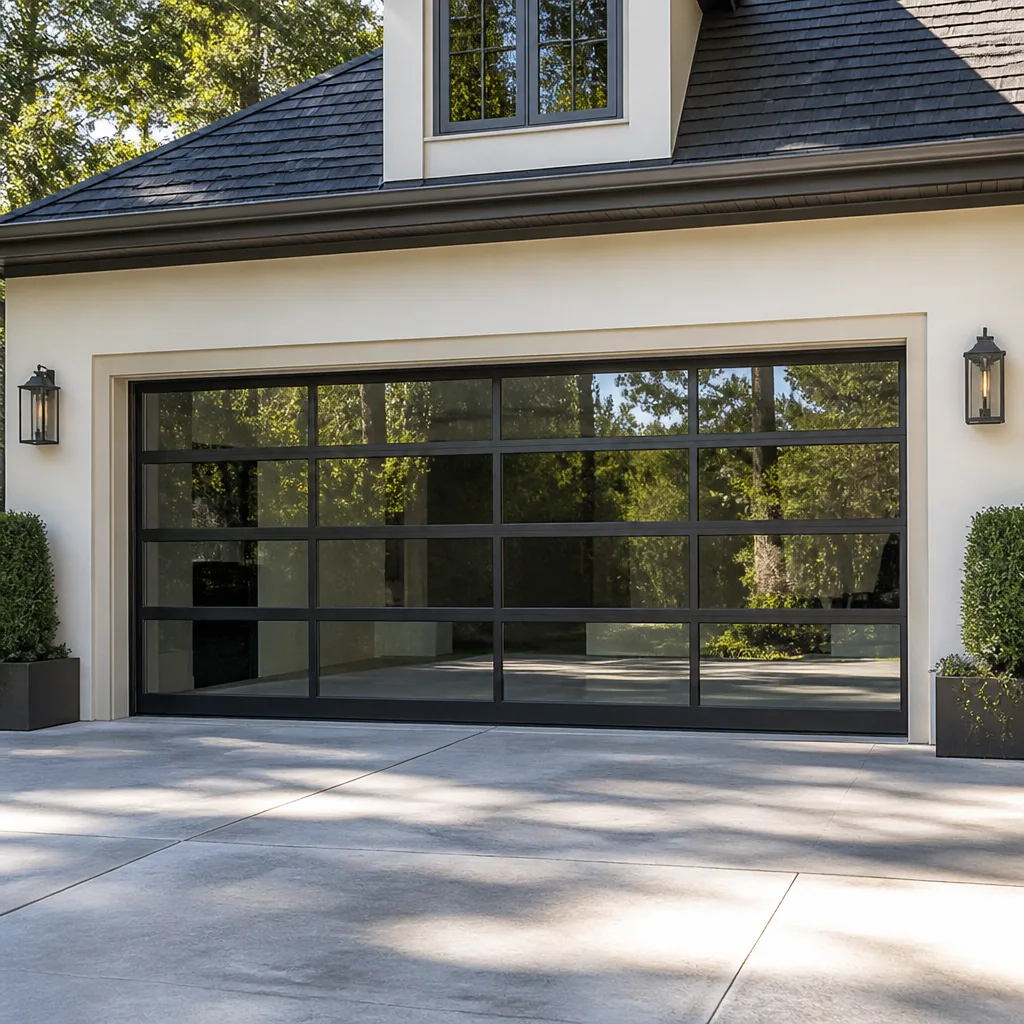 Full-view glass
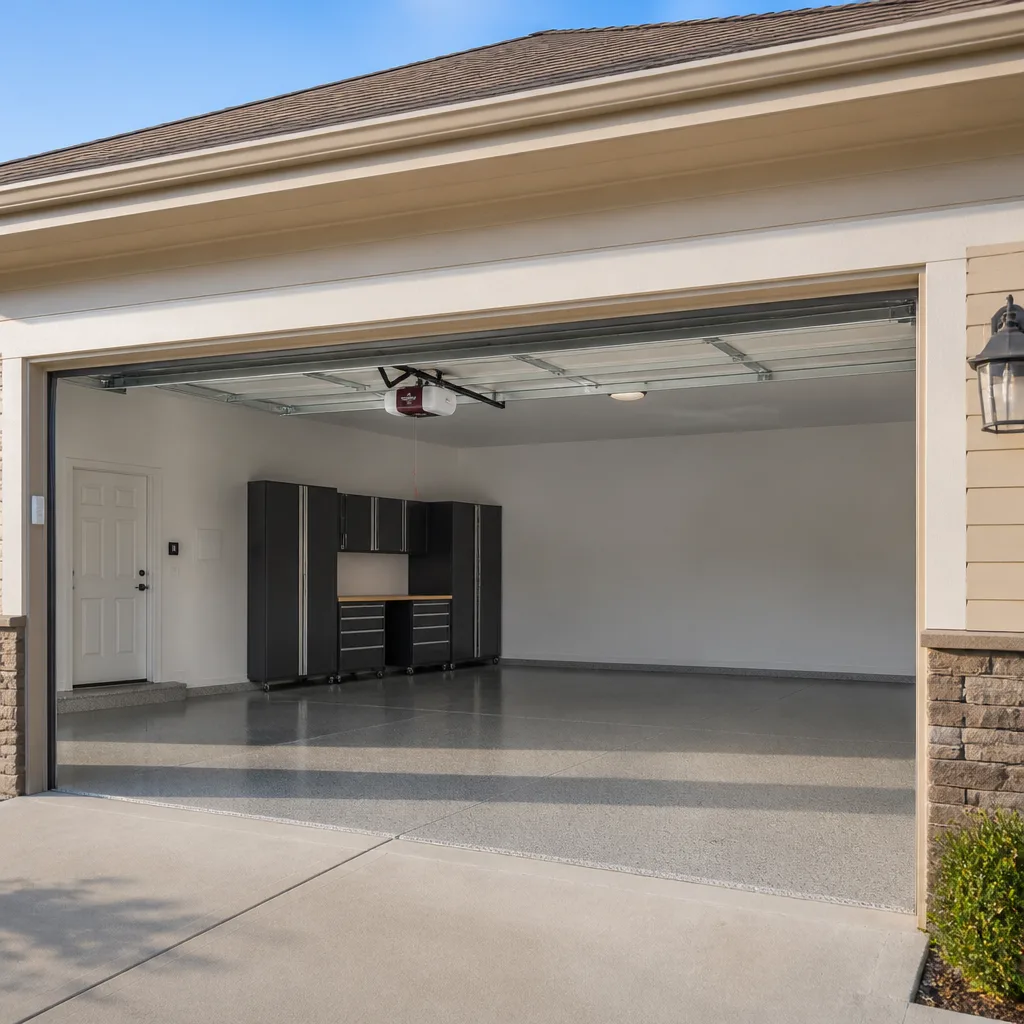 LiftMaster openers
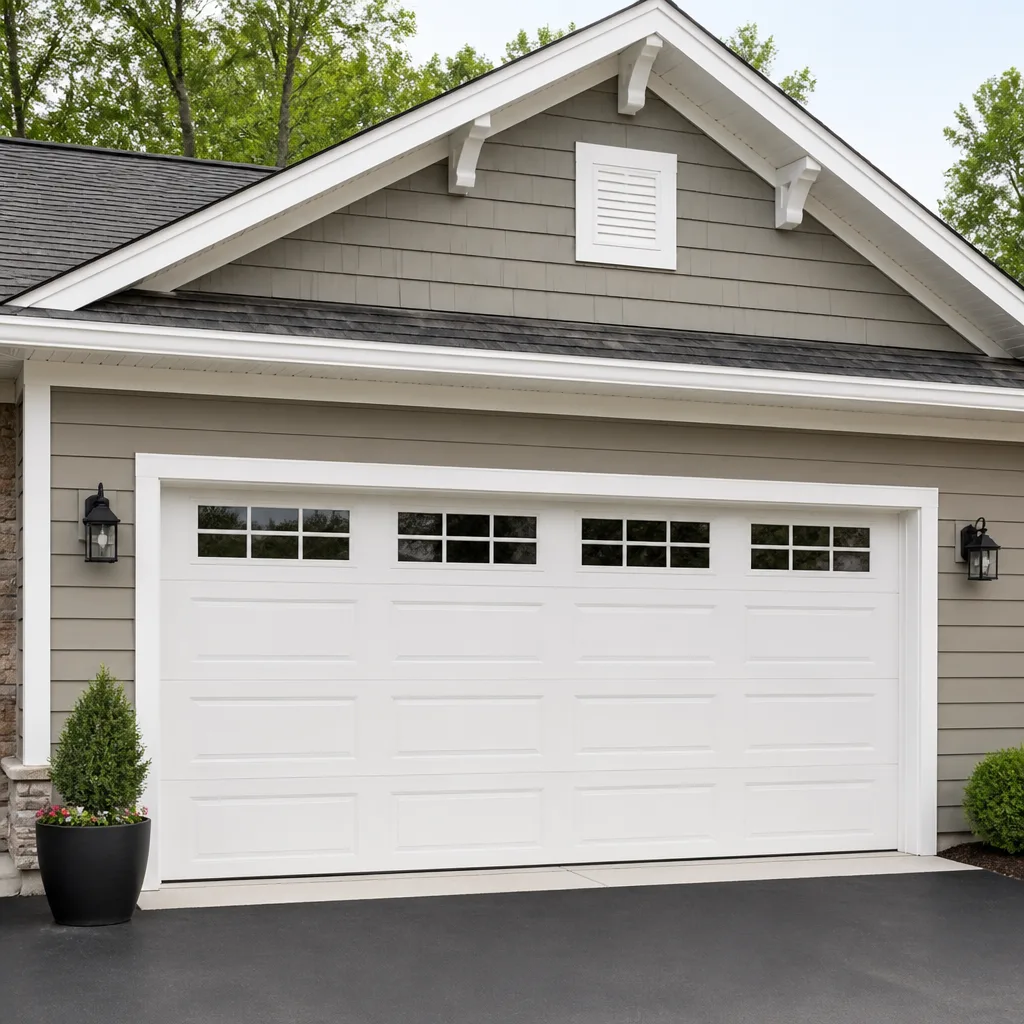 Chamberlain openers
Full 25-point door and opener safety check with every visit - springs, cables, rollers, tracks, and your LiftMaster or Chamberlain opener included
You get a price before we start. It does not change when the pro arrives.
Get your free estimateGarage Door Permits, Codes & Inspections in Gresham, OR: What You Need to Know
Most homeowners treat a garage door swap as routine maintenance, the kind of project you book with a phone call and forget about. In Gresham, that assumption can cost you at closing or during an insurance claim. Oregon’s residential code treats a full door replacement very differently from a spring repair or an opener change, and the line between the two isn’t obvious. Plenty of Gresham homeowners have paid a contractor who quietly skipped the paperwork, then discovered the problem years later when a buyer’s inspector or an adjuster asked for documentation that didn’t exist. This guide walks through when a permit is required, what an inspection actually checks, how unpermitted work surfaces during a sale, and how to confirm your contractor pulled the permit instead of simply telling you it wasn’t needed.
Quick Answer
In Gresham, a full garage door replacement generally requires a permit under the Oregon Residential Specialty Code, while repairs to an existing door, spring, track, or opener usually do not. The threshold hinges on whether you’re replacing the assembly versus repairing it, and whether any structural, framing, or fire-rated wall work is involved. If you’re ever unsure, the city’s building department can confirm the answer for your specific project in a single phone call. Getting that confirmation before work starts is far cheaper than discovering the gap during a home sale.
Styles & brands we work with
- Raised-panel steel
- Carriage house
- Modern flush
- Full-view glass
- LiftMaster openers
- Chamberlain openers
Table of Contents
- When is a garage door permit required in Gresham?
- Repair vs. replacement: where the line actually falls
- What an inspection actually checks
- The insurance gap nobody warns you about
- How unpermitted work surfaces during a home sale
- How to verify your contractor pulled the permit
- Gresham-specific factors: climate, housing stock, neighborhoods
- Does an opener swap need a permit?
When is a garage door permit required in Gresham?
The short answer: a permit is typically required for a full garage door replacement, and generally not required for a repair. Oregon’s residential code treats the two as separate categories. A repair restores an existing assembly to working condition. A replacement changes the assembly itself, often with a different door, different weight, and different load on the springs and track. That distinction is what triggers the permit. Gresham follows the state residential specialty code, so the same logic that applies to a Portland or Troutdale door swap applies here.
Here’s the breakdown homeowners ask about most, in plain terms:
- Full door replacement: Usually requires a permit. This includes swapping the entire door panel assembly, changing the door size, or replacing a door on a home that previously had no door.
- Spring, cable, or roller repair: Typically no permit. These are maintenance repairs on the existing assembly.
- Track adjustment or replacement with the same door: Often no permit, but confirm with the city if any framing changes.
- Opener replacement or upgrade: Usually no permit, unless electrical work is involved beyond a straight swap of the unit.
- Adding a new door where none existed, or modifying the opening: Requires a permit and possibly structural review, especially if the fire-rated wall between the garage and living space is affected.
- Any work that changes the header, framing, or fire separation: Always permits, always inspection.
The catch is that many homeowners don’t know which bucket their project falls into until they’re mid-conversation with a contractor. A door that looks like a “swap” may involve trimming a header, adjusting a track system, or replacing hardware in a way that crosses into replacement territory. Asking the city building department directly, before a quote becomes a signed contract, is the safest move. That’s also when we tell customers to call us to walk through the scope: a garage door repair that stays a repair is a fundamentally different project from a replacement, and pricing works differently too.
One more thing worth saying plainly: a permit isn’t a red-tape inconvenience. It’s the paper trail that proves the work was done to code. In Gresham, when a door fails or water gets in, that paper trail matters more than most homeowners realize until they need it.
Repair vs. replacement: where the line actually falls
In our experience, the confusion almost always comes down to a single question: is the door assembly itself being replaced, or is a component being restored? If it’s the door, permit. If it’s a component, usually no permit. But the middle ground catches people. Replacing a single damaged panel on a Clopay or Amarr door isn’t a full replacement in most cases. Replacing both panels plus the bottom section because of a bent track might be. The rule the building department cares about is whether the assembly as a whole is being substituted.
Here’s a practical way to sort it out before you ever call a contractor:
- Write down exactly what’s wrong. Is the door sagging, off-track, dented, or completely failing? “It won’t close” tells you almost nothing about whether it’s a repair or a replacement.
- Note the door’s age and brand. A Wayne Dalton door from the 1990s with a cracked bottom panel is a different project than a newer door with a bad spring.
- Check whether the framing needs to change. Any adjustment to the header, jamb, or fire-rated wall between the garage and living space is a permit trigger regardless of the door itself.
- Ask the city. The Gresham building department will confirm over the phone whether your scope requires a permit. Ten minutes of your time saves weeks later.
- Get it in writing from your contractor. Whoever you hire should state clearly, on the estimate, whether a permit is included and who is pulling it.
We work on whatever door is already in your garage, and that means we see the full range of borderline cases. When the scope creeps from a repair into a replacement, we tell the homeowner directly and have the permit conversation before the work starts. It’s easier for everyone that way.
What an inspection actually checks
An inspection for a garage door replacement isn’t a safety lecture on springs. It’s a check that the assembly was installed to code and that the surrounding structure wasn’t compromised. The single most commonly flagged issue on a Gresham garage door replacement isn’t the door at all; it’s the fire-rated wall assembly between the garage and the living space. That wall exists to slow fire spread from the garage into the house, and any penetration, gap, or shortcut during installation can fail inspection.
Here’s what the inspector is typically looking at:
- Fire separation: The wall and ceiling between the attached garage and living space, plus any door between them, must maintain the required protection. A garage door that opens into a space that touches the living area without proper separation is a red flag.
- Door attachment: The door and track are anchored to framing that can handle the load. Inspectors look for proper fasteners and blocking where required.
- Clearances: Headroom above the door and clearance around the tracks, as specified by the door manufacturer and the code.
- Weather sealing: Bottom seals, jamb seals, and thresholds that keep water out. In a wet-climate city like Gresham, this matters more than it does in drier parts of the state.
- Electrical connection for the opener: If the opener was replaced, the inspector confirms the wiring is properly run and protected.
- Safety features: If a new opener was installed, the required auto-reverse and photo-eye safety systems are in place and functioning. This is a code requirement on any new opener install.
One detail worth knowing: inspectors don’t always flag a safety defect on the door itself if the permit was for a straightforward replacement. But if the wall assembly has an issue, the correction is usually structural and can mean pulling additional permits, repairing the wall, and re-inspecting. If you’re planning a replacement in a Gresham home built before the 1990s, ask the contractor to look at the fire separation wall before quoting. A Sycamore Garage Door Repair estimate on a full replacement can include that scope conversation up front so the permit doesn’t get held up later.
The insurance gap nobody warns you about
Here’s the part that catches homeowners flat-footed: an unpermitted garage door replacement can create a gap in your homeowner’s insurance coverage on certain claims, even years after the work was done. Insurance policies generally cover damage from a covered peril (windstorm, falling tree, water intrusion). They generally do not cover damage that resulted from work that wasn’t done to code, especially if the missing permit would have caught the defect at inspection time.
The most common scenario we hear about involves water intrusion. A door installed with inadequate weather sealing lets water into the garage framing over a wet Gresham winter. The damage shows up months later, often as rot in the jamb or a stain on the interior wall. When the claim is filed, the adjuster asks for the install documentation. No permit means no inspection record, which means the insurer can argue the work was non-compliant and deny or reduce the claim. It’s not a guaranteed denial; policy language varies. But it’s a fight you don’t want to have when your ceiling is dripping and the adjuster is asking for paperwork you can’t produce.
The structural angle is similar. If a door fails and pulls away from the framing because it was anchored improperly, and the resulting damage spreads to the wall, the insurer may classify the anchor failure as a construction defect rather than a covered peril. Again, the permit and inspection record is the proof that the work was done to standard. Without it, the homeowner is left explaining what should have been documented in the first place.
None of this is meant to scare you into a permit you don’t need. It’s the reason we walk every customer through the permit question on a replacement before we book the work: the paper trail is protection for you, not just for the city. A written, permitted, inspected job is a different thing than a handshake and a good-looking install.
How unpermitted work surfaces during a home sale
In Gresham’s housing market, most garage door replacements show up in a sale disclosure or a buyer’s inspection, which is where unpermitted work typically comes to light. A buyer’s inspector opens the garage door, notes the door brand and age, and asks for the permit history. If the door was replaced a few years back and there’s no record on file with the city, the buyer’s agent asks the seller to produce documentation, and the whole transaction can stall while everyone sorts it out.
Here’s how it typically unfolds, and what the seller is facing:
- Inspection report flags missing documentation. The buyer’s inspector notes the door looks newer than the home’s other mechanical systems but finds no permit in the city’s record system.
- Buyer’s agent requests proof. The seller is asked to provide the permit and final inspection record. Often, they don’t have it because they never knew it was required.
- Title or lender review surfaces the gap. If the door appears in the disclosure or in any title documentation, the lender may flag it as a potential code compliance issue on an FHA or VA loan.
- Remediation is required to close. The seller either produces the permit or goes through a retroactive permitting process through the city. Either way, it delays closing.
- Cost of remediation varies widely. A retrofit inspection might just require a contractor to certify the door meets code. But if the install itself has defects (fire separation, anchoring, clearances), the cost to correct it can exceed the original door cost.
The lesson for homeowners: save your permit number and final inspection record somewhere you’ll find it. If you’re selling in Gresham and can’t find that paperwork, contact the city building department directly to see whether a permit was ever pulled. If it wasn’t, ask about retroactive options before a buyer’s inspector asks the same question on your behalf.
How to verify your contractor pulled the permit
The single most important step before work starts: get the permit in writing, with a permit number issued by the city, before the installer sets foot on the job. A contractor who says “you don’t need a permit for this” without checking with the city is telling you that they either don’t know or don’t want to bother. Neither is a good sign. Gresham’s permit records are accessible, and a legitimate contractor will not be bothered by you asking.
Here’s the verification process we recommend to every homeowner:
- Ask for the permit in the contract. The written agreement should state clearly whether a permit is required, who is pulling it, and the estimated permit fee if there is one.
- Ask for the permit number before work begins. The permit is issued before the physical work starts, not after. A contractor who pulls the permit “later” is a contractor you should walk from.
- Call the Gresham building department to confirm. Give them the address and ask if a permit has been issued for garage door replacement. If the answer is no, that’s your answer.
- Confirm the inspector will schedule a final inspection. Permit without inspection is a piece of paper. The inspection is where the fire separation, anchoring, and clearances actually get checked.
- Get the final inspection record when the job closes. That document is what you hand a buyer’s agent three years from now. Put it with your other home records.
If a contractor shrugs off the permit question or suggests it’s a technicality, that’s a contractor to skip. The cost of a permit on a garage door replacement is small relative to the door itself, and a contractor who’s willing to skip it is likely to skip other steps too. When we quote a replacement in Gresham, we tell the homeowner what needs a permit and what doesn’t, in writing, so there’s no ambiguity. That’s the standard we’d want on our own homes.
Gresham-specific factors: climate, housing stock, neighborhoods
Gresham has two things working against a sloppy garage door install that most of the metro area doesn’t have in the same combination: wet winters and a housing stock that includes a lot of homes built before modern fire separation requirements were tightened. Those two factors make the permit question a bigger deal here than it might be in a drier climate or a newer housing development.
The wet season runs long in Gresham. Rain that comes in sideways against a door that wasn’t properly sealed at the bottom or jambs can find its way into the framing, and by the time the damage shows up inside the garage, the moisture has been sitting in the wall for a while. A permitted replacement with a proper final inspection catches that missing weather seal before you’re paying to replace rotted trim. Homes on the west-facing slopes get the brunt of it, especially in neighborhoods around Kelly Creek and Hogan Cedars where the wind comes up the draw and pushes rain against the doors.
Housing stock matters just as much. Gresham has a lot of 1960s through 1980s construction, particularly in Rockwood, Centennial, and Pleasant Valley, and that era of home often has fire separation details that were updated in later code cycles. A replacement on one of these homes may require wall detailing that a newer home in, say, the Kelly Creek area wouldn’t need. That’s not a reason to avoid the work; it’s a reason to have the permit conversation before the install rather than after, because the inspection will catch the gap either way.
Hillside and sloped-lot homes in Gresham, particularly around the base of the buttes, also tend to have garage door openings that were adjusted or enlarged at some point in their history. If your door opening doesn’t match the original framing plan, the permit likely requires structural review before the replacement. Ask about it up front. This is the kind of Gresham-specific detail that gets glossed over in a generic estimate.
Does an opener swap need a permit?
An opener swap usually does not require a permit, as long as the work is a straight replacement of an existing unit with a new one on the same electrical circuit and same mounting point. A permit is triggered when the work involves new electrical circuits, relocation of the opener to a different position, or changes to the door itself. In most Gresham homes, replacing a LiftMaster, Chamberlain, Genie, or Craftsman opener with a comparable model is a no-permit job.
What the swap does need: a licensed electrician or a qualified technician to handle the electrical connection safely, and confirmation that the new opener meets the required safety features (auto-reverse and photo-eye). Those are code requirements on any new opener install, regardless of whether a permit was pulled.
Two cases where an opener swap does trigger a permit in Gresham:
- New circuit required. If your existing opener outlet isn’t on a suitable circuit, or if a new dedicated circuit needs to be run, that’s electrical permit territory.
- Opener mounted in a new location. Moving the opener to accommodate a different door style or a different mounting point can involve framing and electrical work that requires a permit.
For homeowners who’ve had a door and opener replaced together, this is where it pays to know both sides of the system. Our garage door opener repair work and door work run on the same visit, so we can tell you which parts of the job need a permit and which don’t, without handing you off to a second contractor who’s only responsible for half the picture. If the question is really about a failing opener rather than a new one, the permit conversation usually disappears entirely, and the focus becomes diagnosis: what’s the actual fault, and does it need a repair or a replacement? That’s the kind of call we handle for Gresham homeowners regularly.
Common Mistakes to Avoid
- Assuming a “routine” swap doesn’t need a permit. Garage door replacements are treated as assembly changes under Oregon’s residential code, not routine maintenance. Treating them as maintenance is the most common way homeowners end up with missing documentation.
- Trusting a contractor who says “nobody pulls a permit for this.” Any contractor who won’t confirm the permit question with the Gresham building department is telling you something about how they work. Ask for the permit number in writing.
- Skipping the fire separation check on an older home. A door replacement on a pre-1990s Gresham home can fail inspection on fire separation between the garage and living space. Have that wall looked at before the install is quoted.
- Losing the permit paperwork. A permit isn’t finished until the final inspection record is in your hands and stored with the home’s other records. Frame a copy of the final inspection and keep it with your closing documents.
- Ignoring weather sealing on a west-facing door. Gresham’s rainy season finds the gaps. A door installed with poor bottom seals or jambs can let water into framing long before the damage is visible.
- Getting an opener swap confused with a door replacement. These are different permit categories. If you’re only replacing the opener, you likely don’t need a permit. If you’re replacing both, you likely do.
- Waiting for a home sale to sort out the paperwork. If the door was replaced years ago and the permit was never pulled, the time to fix it is now, not when a buyer’s inspector is calling for documentation.
See the difference
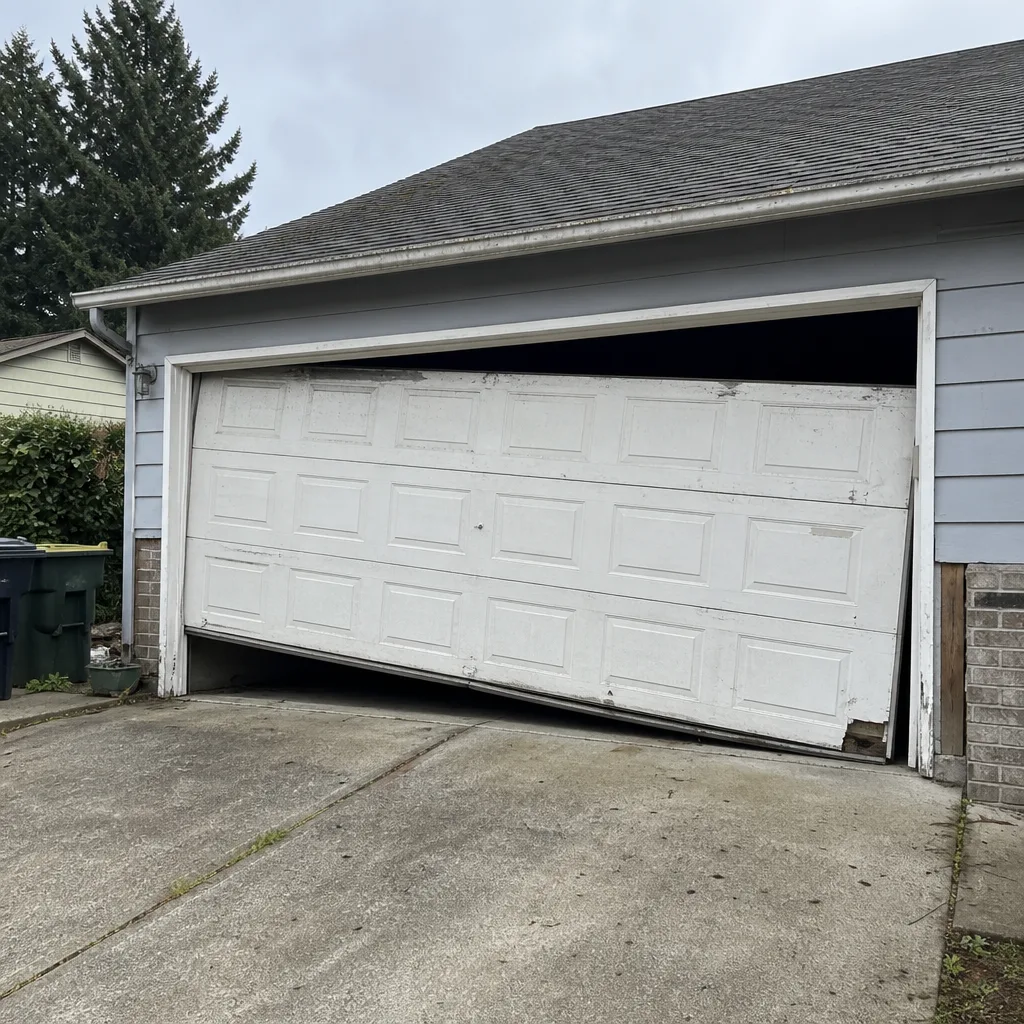 Before
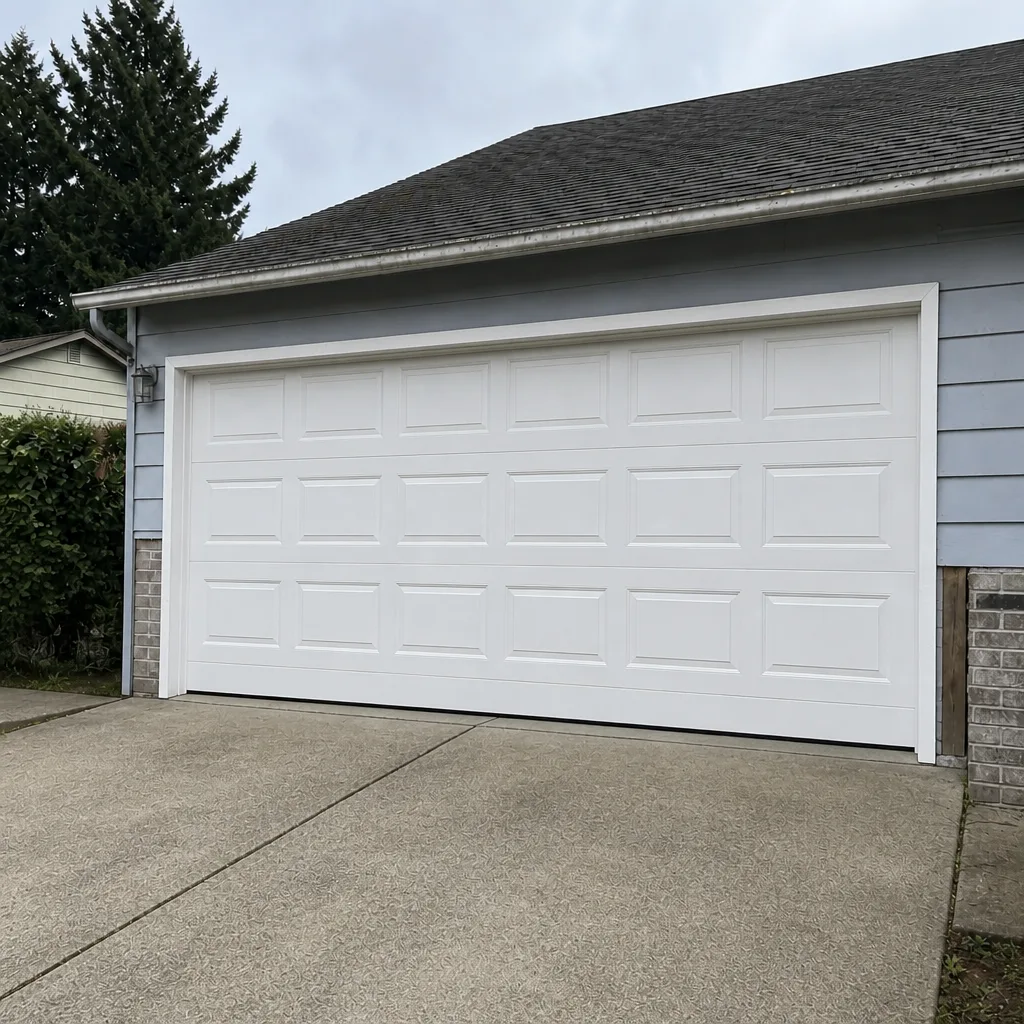 After
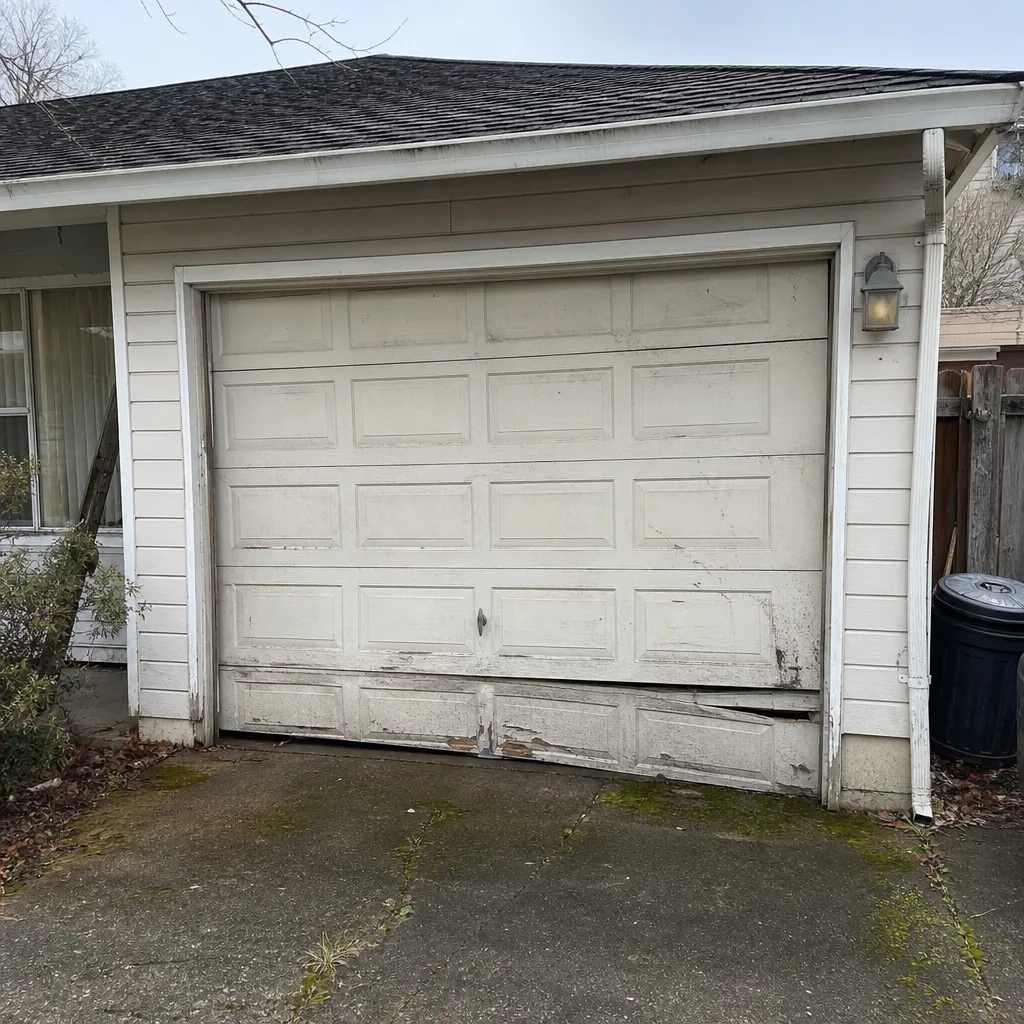 Before
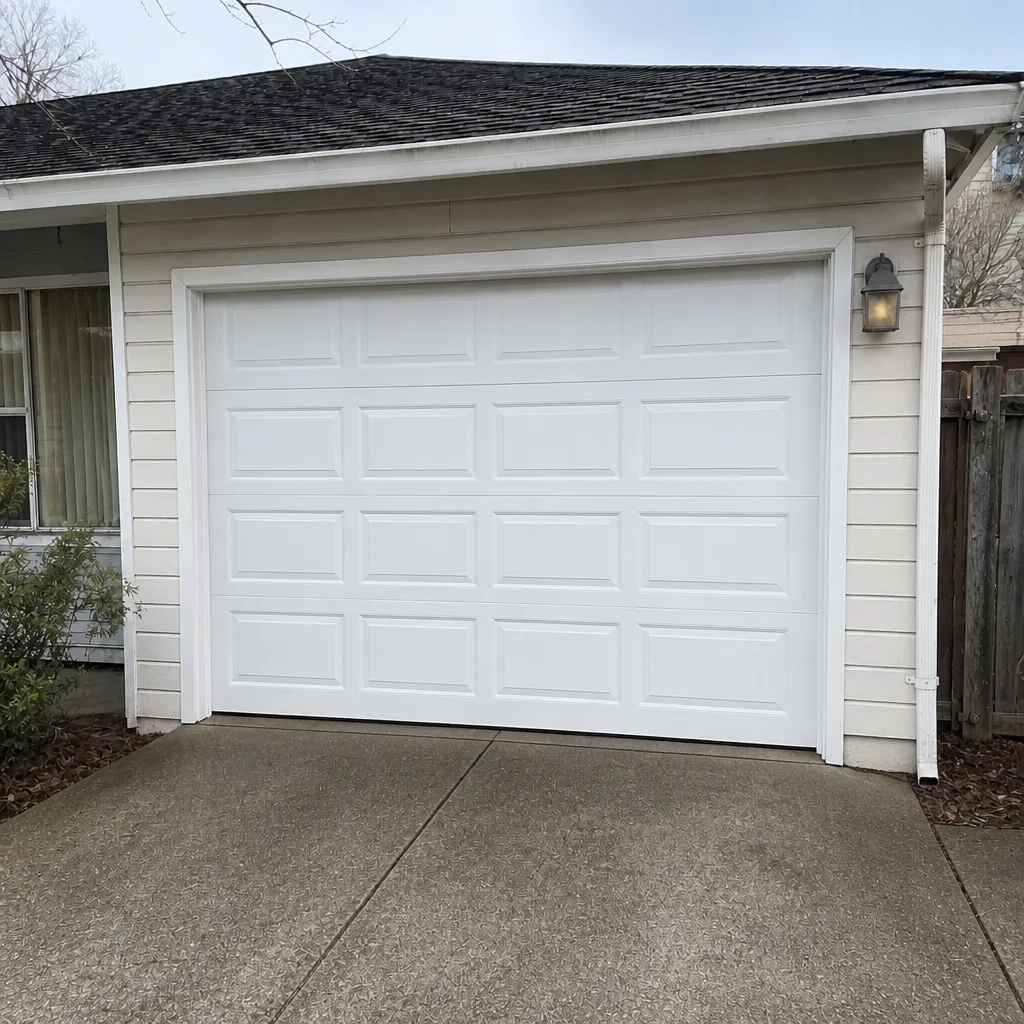 After
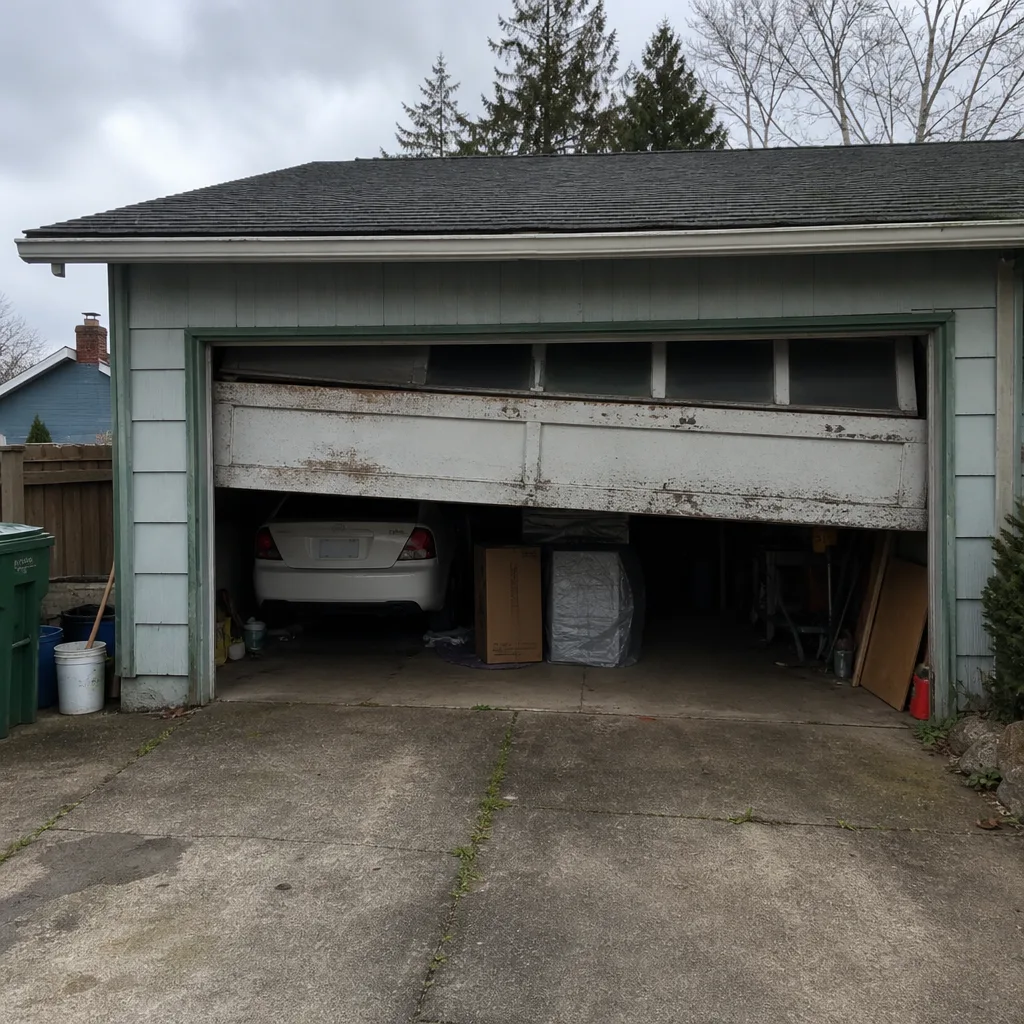 Before
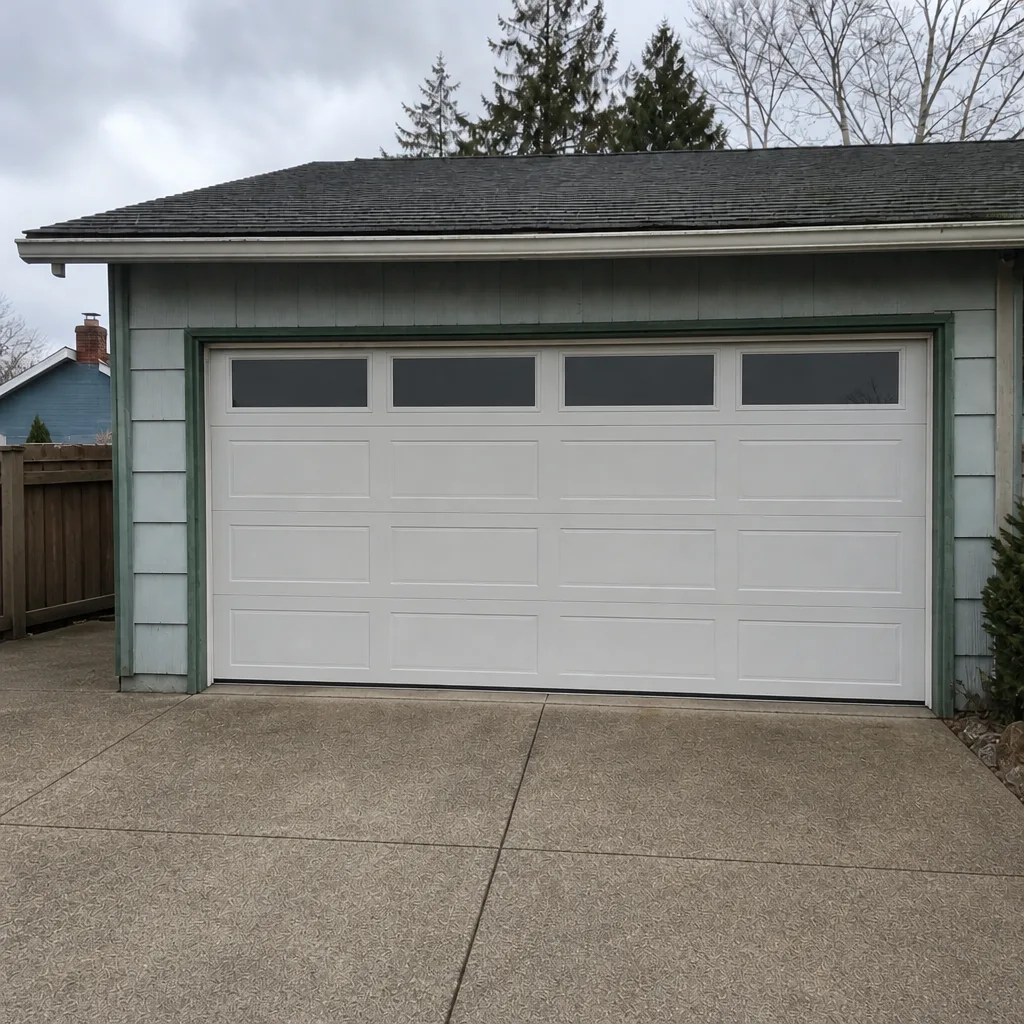 After
When to Call a Professional
If you’re facing any of these situations, call a professional before touching the door yourself: any repair involving the springs or cables (these are high-tension components and a loaded spring can cause serious injury if it releases unexpectedly), a door that has come off its track and won’t close, a full replacement where you’re unsure whether the permit is required, or an existing install you suspect was never permitted. We don’t recommend trying to diagnose or repair a loaded torsion spring on your own; a trained technician is the right call.
Sycamore Garage Door Repair offers free estimates in Gresham, and we’ll tell you directly whether your project requires a permit and what’s involved. Call (866) 890-0843. We answer 24/7. Fast dispatch from 7am to 7pm, Sunday through Friday. Every price is quoted and agreed before any work starts, so there’s no surprise on the invoice.
Frequently Asked Questions
In most cases, yes. A full garage door replacement is treated as an assembly change under Oregon’s residential code and typically requires a permit in Gresham. Repairs to springs, cables, rollers, or tracks on an existing door usually do not. Call the Gresham building department to confirm the answer for your specific scope before work begins. Call (866) 890-0843 for a free estimate that covers the permit question in writing.
Usually no. A straight swap of an existing opener for a new one on the same circuit and mount typically does not require a permit. A permit is triggered if the electrical circuit needs to be changed or if the opener is moved to a new location. Our technicians have up to 12 years of experience and can tell you which category your job falls into. Call (866) 890-0843 for an exact answer on your setup.
The problem usually surfaces later, not at the time. A buyer’s inspector, an insurance adjuster, or a title reviewer can flag an unpermitted install and require documentation, which may mean retroactive permitting through the city and possible remediation if the install has code issues. The cost to correct varies widely depending on what’s wrong. If you’re in this situation, call the Gresham building department first to see whether a record exists, then call (866) 890-0843 for a free estimate on any corrections needed.
The most-flagged issue on a Gresham garage door inspection is the fire-rated separation wall between the garage and living space, which must stay intact through the install. Inspectors also check anchoring at the framing, clearances above and around the door, weather sealing, and the safety features of any new opener (auto-reverse and photo-eye). A final inspection record is the document homeowners want on file. Call (866) 890-0843 for a free estimate that includes inspection prep in the scope.
It can, in specific situations. Most policies exclude damage that results from non-code work, and a missing permit often means a missing inspection record. If water intrusion or structural damage stems from an install that wasn’t verified, an insurer may reduce or deny the claim. The exact policy language varies, so review your policy with your agent. For the install itself, call (866) 890-0843 and we’ll quote both repair and replacement work with the permit question answered in writing.
Ask for the permit number before work starts, then call the Gresham building department and confirm the permit was issued for your address. A legitimate contractor will not hesitate on this step. If the answer from the city is no, do not let work begin. We provide permit documentation in writing on every Gresham replacement estimate. Call (866) 890-0843 to get a free estimate that includes the permit question answered up front.
The Bottom Line
The permit question in Gresham isn’t red tape; it’s the difference between a papered install and a problem that surfaces at the worst possible moment. Full door replacements generally need a permit under Oregon’s residential code. Repairs and opener swaps usually don’t. The fire separation wall is the single most common inspection flag, and unpermitted work can affect insurance claims and stall a home sale years after the fact. Get the permit number in writing before work begins, keep the final inspection record, and call the Gresham building department whenever the scope is unclear. Our technicians have up to 12 years of experience diagnosing doors and openers and can walk you through all of it. If you’re anywhere in the Gresham area and want a straight answer on your project, call Sycamore Garage Door Repair at (866) 890-0843 for a free estimate. We answer 24/7, with fast dispatch from 7am to 7pm, Sunday through Friday. The price is quoted and agreed before any work starts.
Written by the team at Sycamore Garage Door Repair.